Wine
Choose dry, low-intervention wines made from organically or biodynamically grown grapes. Favor single-origin producers with transparent fermentation practices.
Wine quality depends on how grapes are grown and fermented. Many commercial wines contain added sugars, excess sulfites, and processing aids that can increase inflammatory and metabolic burden. Wines made from healthier soils and simpler fermentation tend to retain more natural polyphenols, particularly in red wines due to skin contact.
💡 Look for dry wines with alcohol around 12–13.5%. Favor organic or biodynamic producers, store bottles in a cool, dark place, and consume within 2–3 days once opened.



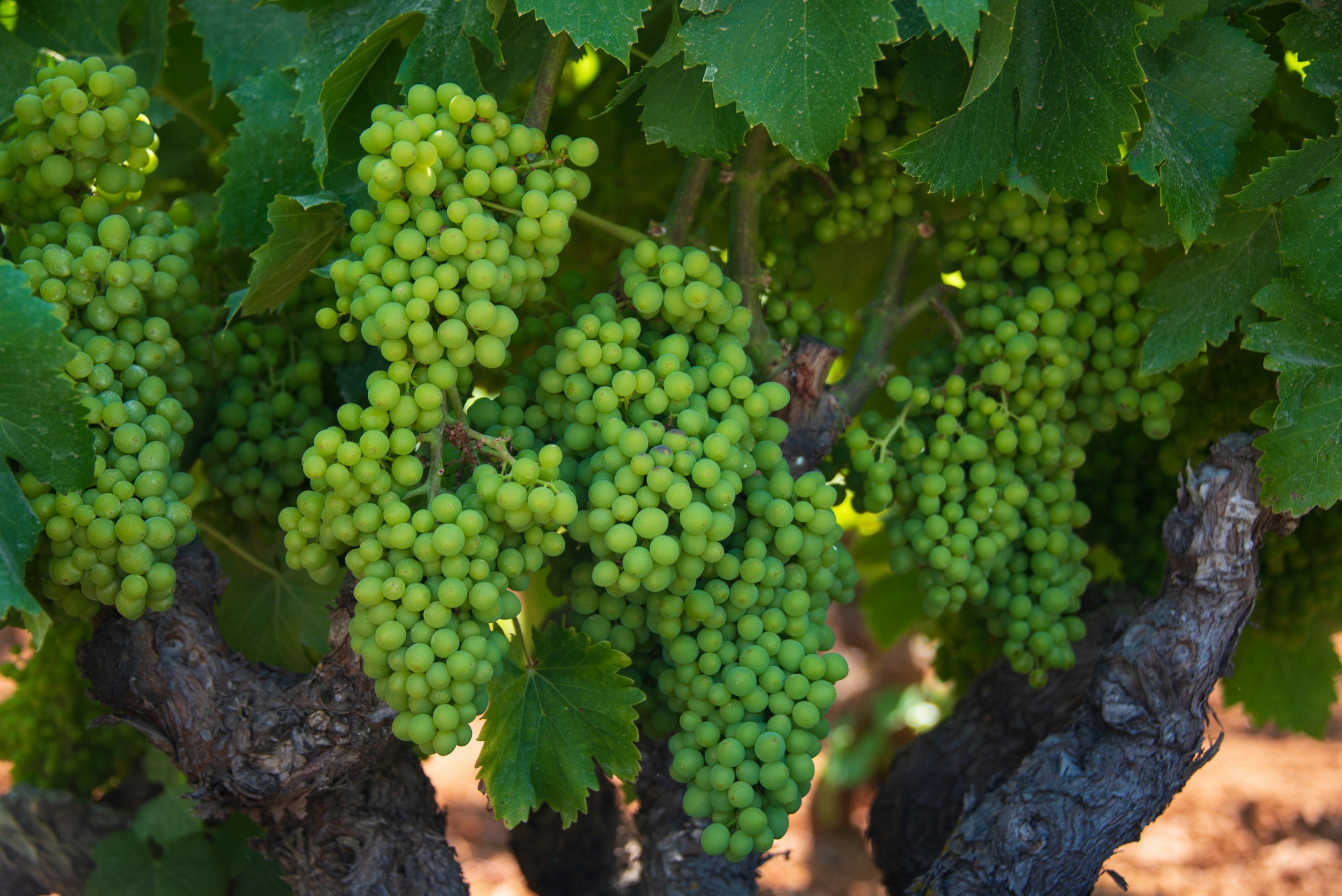
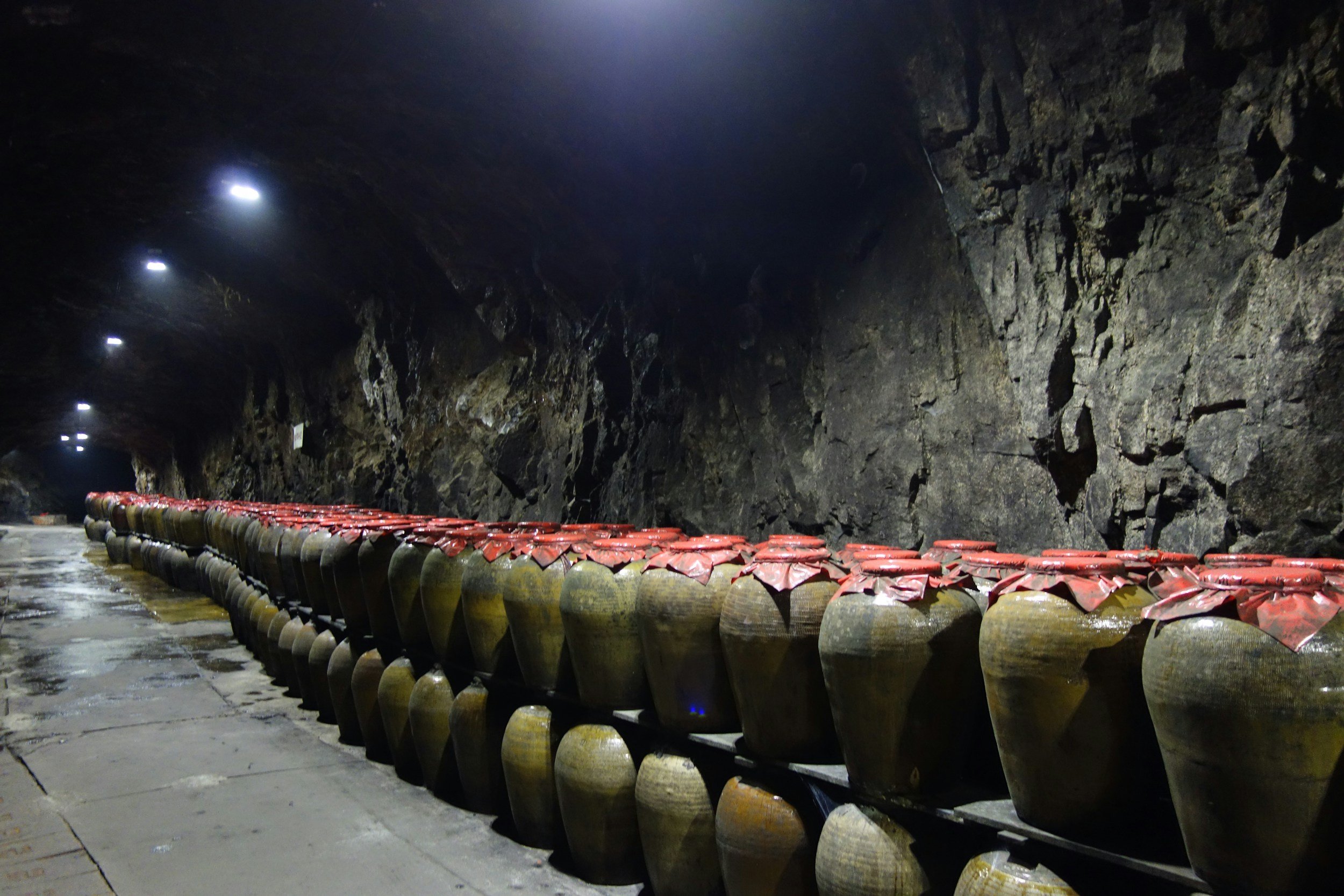
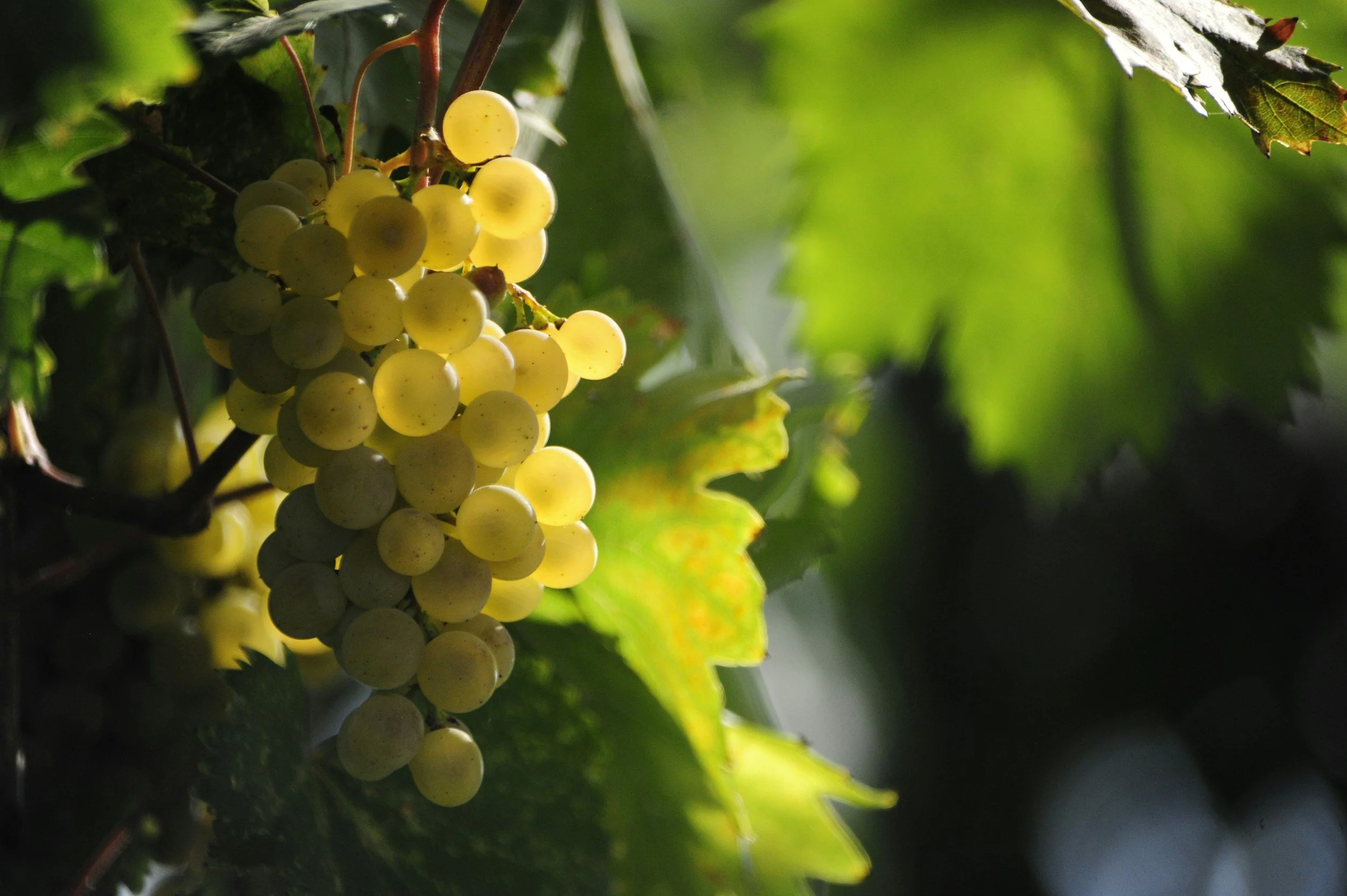
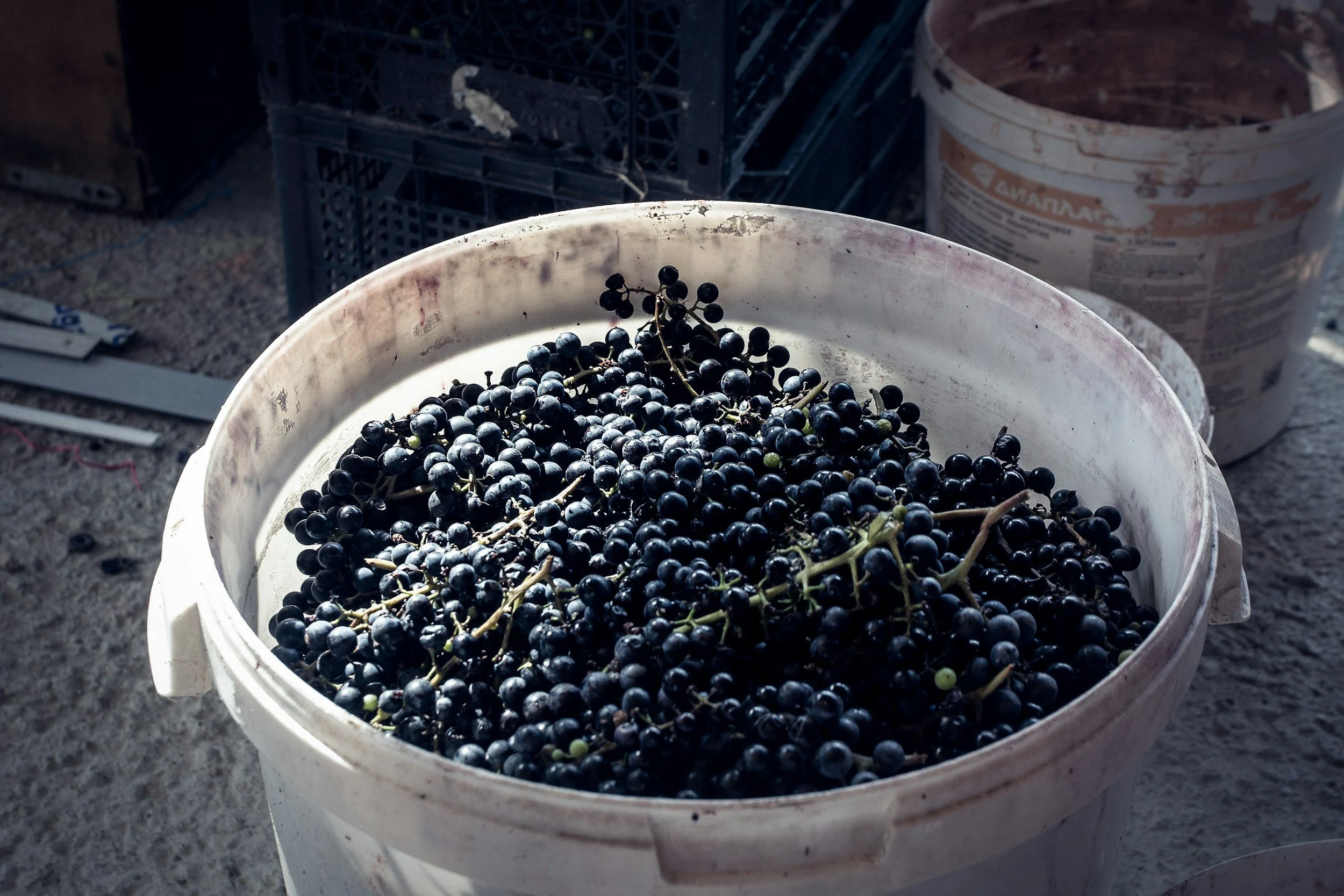

From Vineyard to Glass: Wine and Why Quality Matters
Wine is more than alcohol—it’s an agricultural product shaped by soil, climate, grape variety, fermentation, and cellar practices. These factors determine not only flavor and aroma, but also the presence of polyphenols, acids, and compounds that influence how wine is tolerated and enjoyed.
This deeper dive explores:
How vineyard practices influence wine composition
Differences between conventional, organic, biodynamic, and natural wines
What research shows about polyphenols, sulfites, and fermentation
Practical ways to choose higher-quality wine
Let’s start at the foundation: the vineyard.
Terroir & Soil Health: Where Wine Begins
Wine grapes are especially sensitive to their environment. Soil mineral balance, microbial life, water availability, and vine stress all shape grape chemistry.
Healthy vineyards typically feature:
Living soils with active microbial communities
Deep root systems accessing diverse minerals
Moderate vine stress (not excess irrigation or fertilization)
Regenerative, organic, and biodynamic systems tend to emphasize soil health and biodiversity, which influences phenolic content and grape complexity.
Research shows that vineyard soil management directly affects grape polyphenols and antioxidant capacity.
https://doi.org/10.1016/j.scienta.2016.02.012
Farming Methods: Why They Matter
Conventional Viticulture
Often relies on:
Synthetic fertilizers and pesticides
Herbicides that reduce soil microbial life
High yields at the expense of grape concentration
This can result in grapes with:
Lower polyphenol density
Higher water content
Greater need for cellar manipulation
Organic & Biodynamic Viticulture
Focuses on:
Eliminating synthetic chemicals
Encouraging soil biology and vine resilience
Lower yields, higher concentration
Studies comparing organic and conventional grapes show higher antioxidant and phenolic content in organically grown grapes.
https://doi.org/10.1016/j.foodchem.2014.02.015
Fermentation: Where Wine Is Made (or Lost)
Fermentation transforms grape juice into wine—but how this happens matters.
Indigenous (Wild) Fermentation
Uses native yeasts from grapes and cellar
Produces greater aromatic complexity
Preserves terroir expression
Commercial Yeasts & Additives
Many modern wines use:
Cultured yeasts selected for speed and consistency
Enzymes, acids, tannins, sugars, and color agents
Heavy filtration and stabilization
These practices create predictable wines—but can strip individuality and increase additive load.
Polyphenols: The Health-Relevant Compounds
Red wine is rich in polyphenols such as:
Resveratrol
Quercetin
Anthocyanins
Procyanidins
These compounds are linked to:
Antioxidant activity
Improved endothelial function
Cardiometabolic benefits
A large body of research associates moderate red wine consumption—within meals—with cardiovascular benefits, largely attributed to polyphenols rather than alcohol alone.
https://doi.org/10.3390/nu11061386
Polyphenol levels are highest in:
Red wines
Thick-skinned grape varieties
Wines with longer skin contact
Sulfites, Additives & Wine Sensitivity
Sulfites are naturally produced during fermentation, but additional sulfites are often added for preservation.
Issues arise more often from:
High total sulfite levels
Residual sugars
Histamines and biogenic amines
Multiple processing additives
Natural and low-intervention wines often contain:
Lower total sulfites
Fewer additives
Shorter ingredient lists (grapes + time)
This may explain why some people tolerate traditionally made wines better.
Alcohol, Context & Dose
Wine’s effects depend on:
Quantity
Frequency
Food context
Consuming wine with meals slows alcohol absorption and supports metabolic tolerance.
Research consistently shows that moderation is key—benefits do not increase with higher intake.
https://doi.org/10.1016/j.pcad.2019.01.002
Putting This Science Into Practice
When choosing wine:
✔ Look for organic, biodynamic, or regenerative vineyards
✔ Choose wines with transparent production methods
✔ Favor dry wines with no added sugar
✔ Prefer red wines for polyphenol content
✔ Seek out low-intervention or natural wines if sensitive
✔ Drink with meals and in moderation
Summary: Wine Reflects the Land and the Hand That Made It
Wine is an expression of soil, climate, farming, and fermentation. Grapes grown in healthy, living soils and fermented with minimal intervention retain more polyphenols, complexity, and integrity. While alcohol itself requires moderation, thoughtfully produced wine—consumed slowly and with food—connects agriculture, culture, and biology in a way few foods or drinks can.