Cacao
Choose raw cacao or 70%+ dark chocolate with minimal ingredients. Look for organic and fair-trade sourcing.
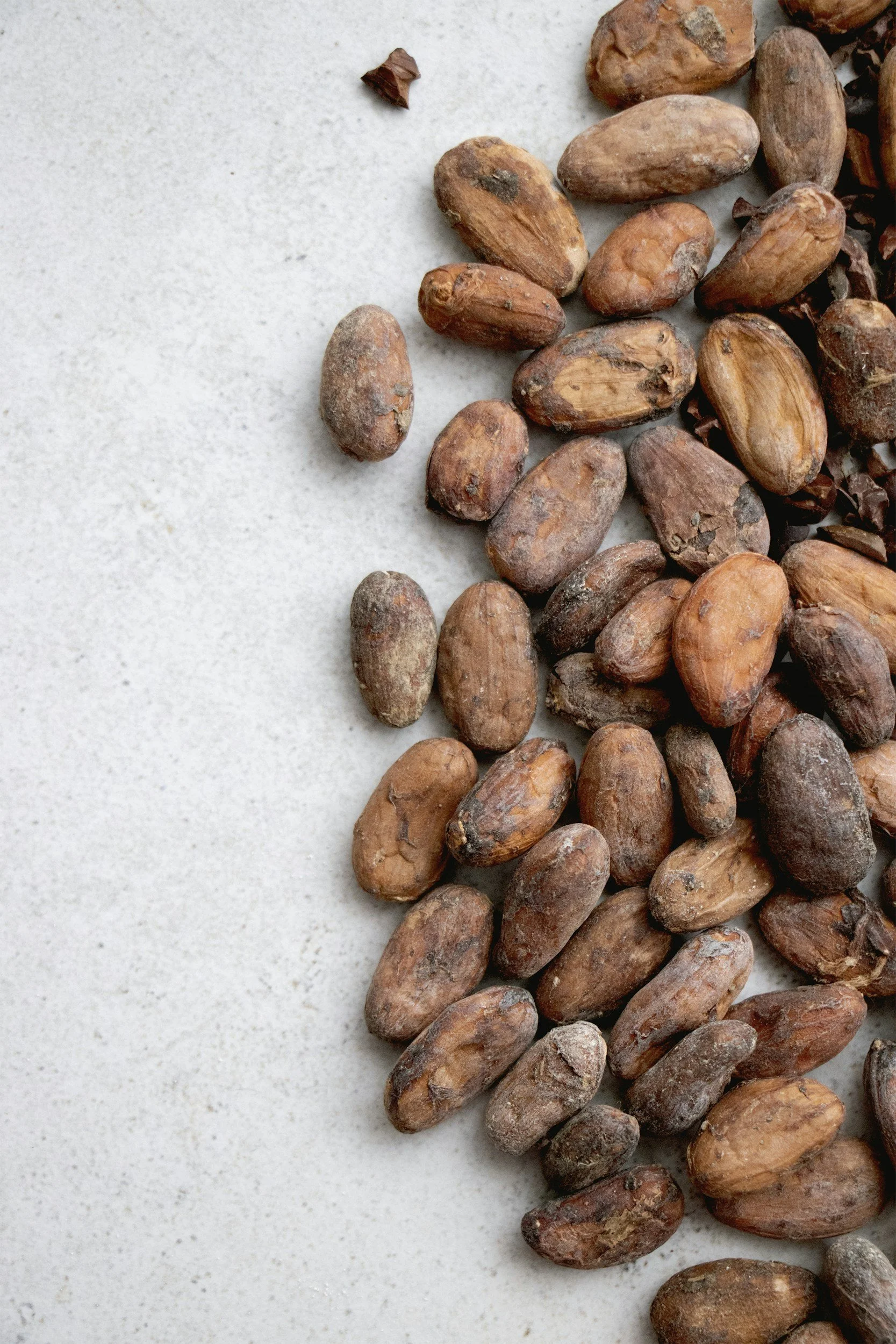
Cacao is a true superfood — rich in magnesium, iron, antioxidants, and mood-boosting compounds like theobromine and phenylethylamine. But not all chocolate products deliver these benefits. Most commercial chocolate is made with highly processed cocoa, excessive sugar, and dairy — stripping away cacao’s natural health properties. Even “dark chocolate” can be misleading without quality sourcing and minimal processing. Avoid alkalized (Dutch-processed) cocoa, which reduces antioxidants.
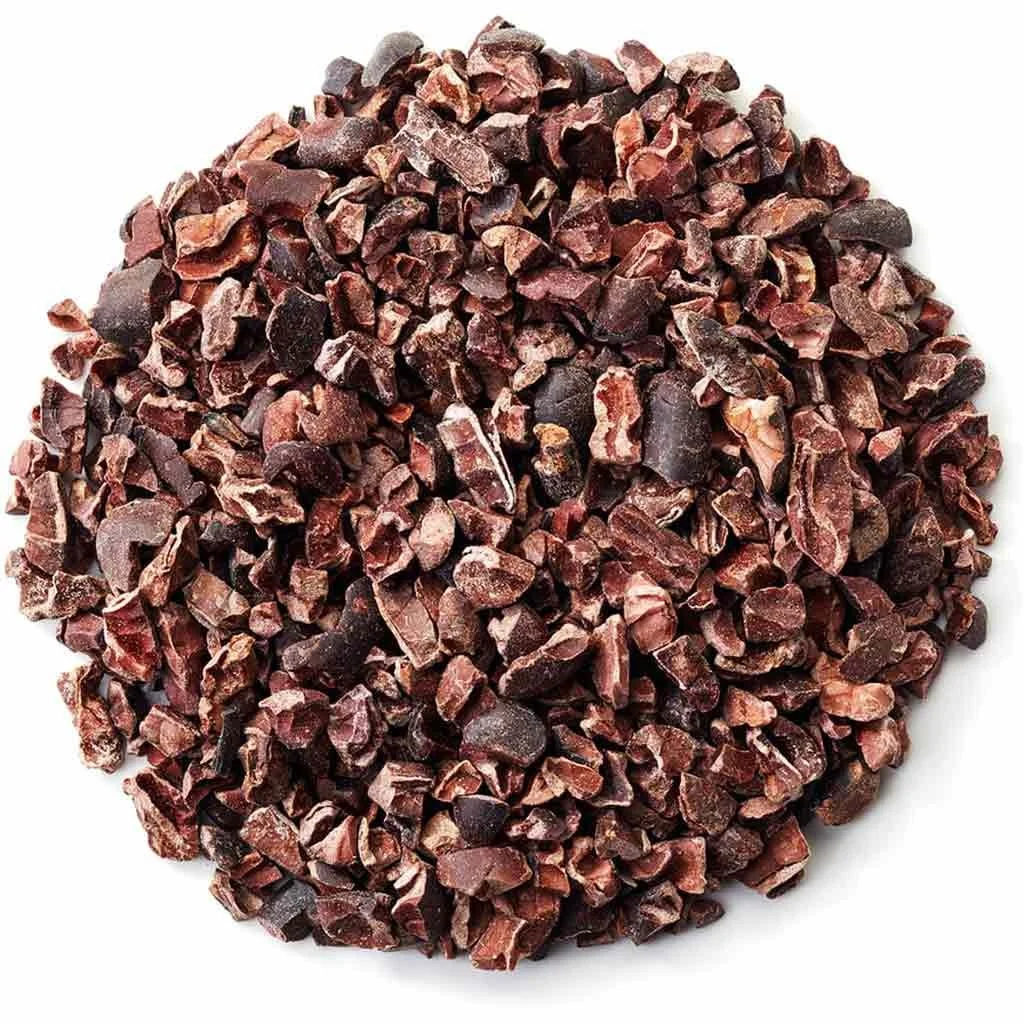
💡 Look for products labeled “raw cacao” or “stone-ground chocolate,” ideally with 70% cacao or higher. Check for fair-trade or direct-trade certifications to ensure ethical sourcing. Pure cacao nibs and powders can be added to smoothies, baking, or savory dishes. Store cacao in a cool, dry place in airtight packaging to prevent oxidation and fat bloom.
From Pod to Plate: Cacao and Why Quality Matters
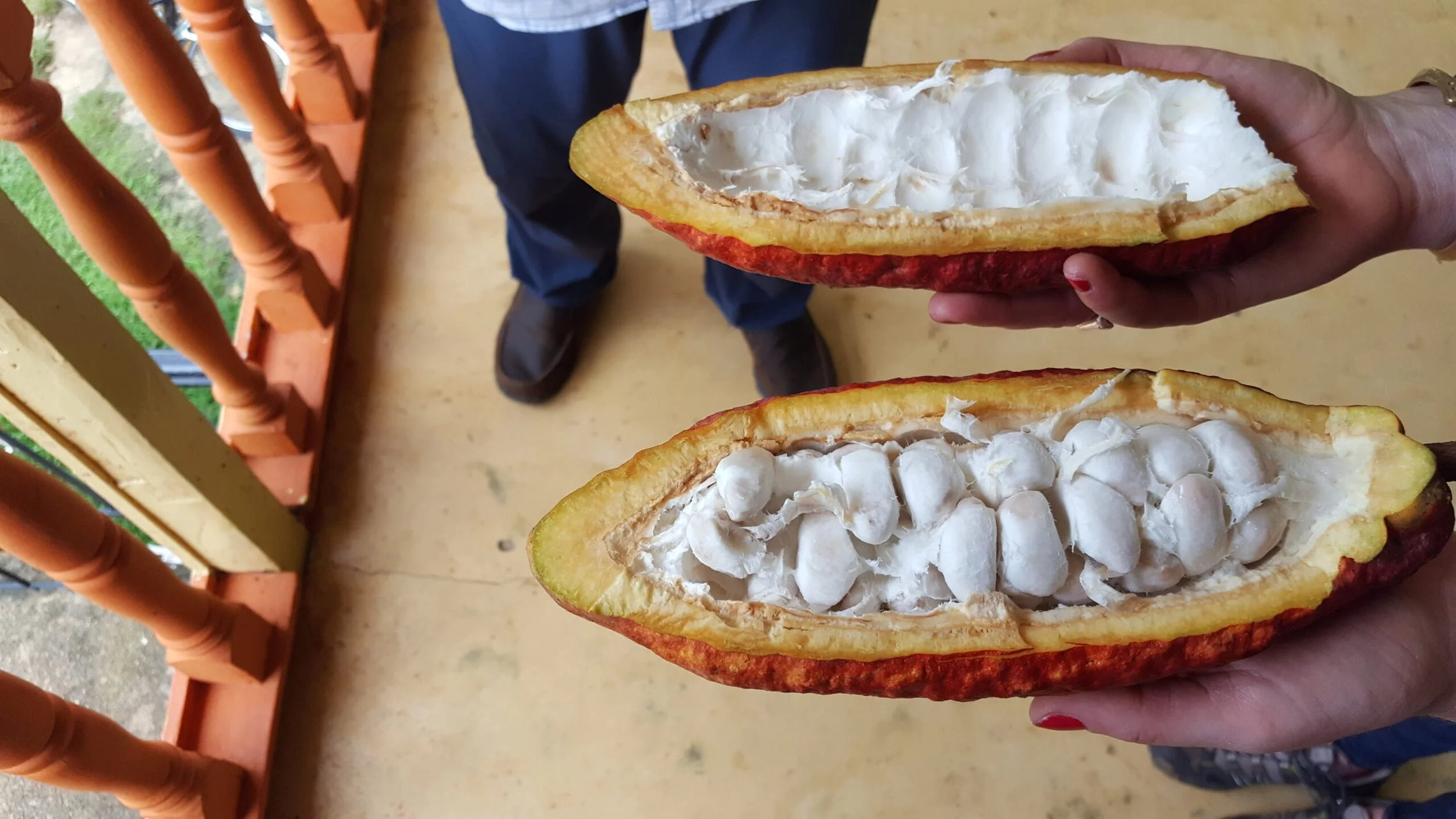
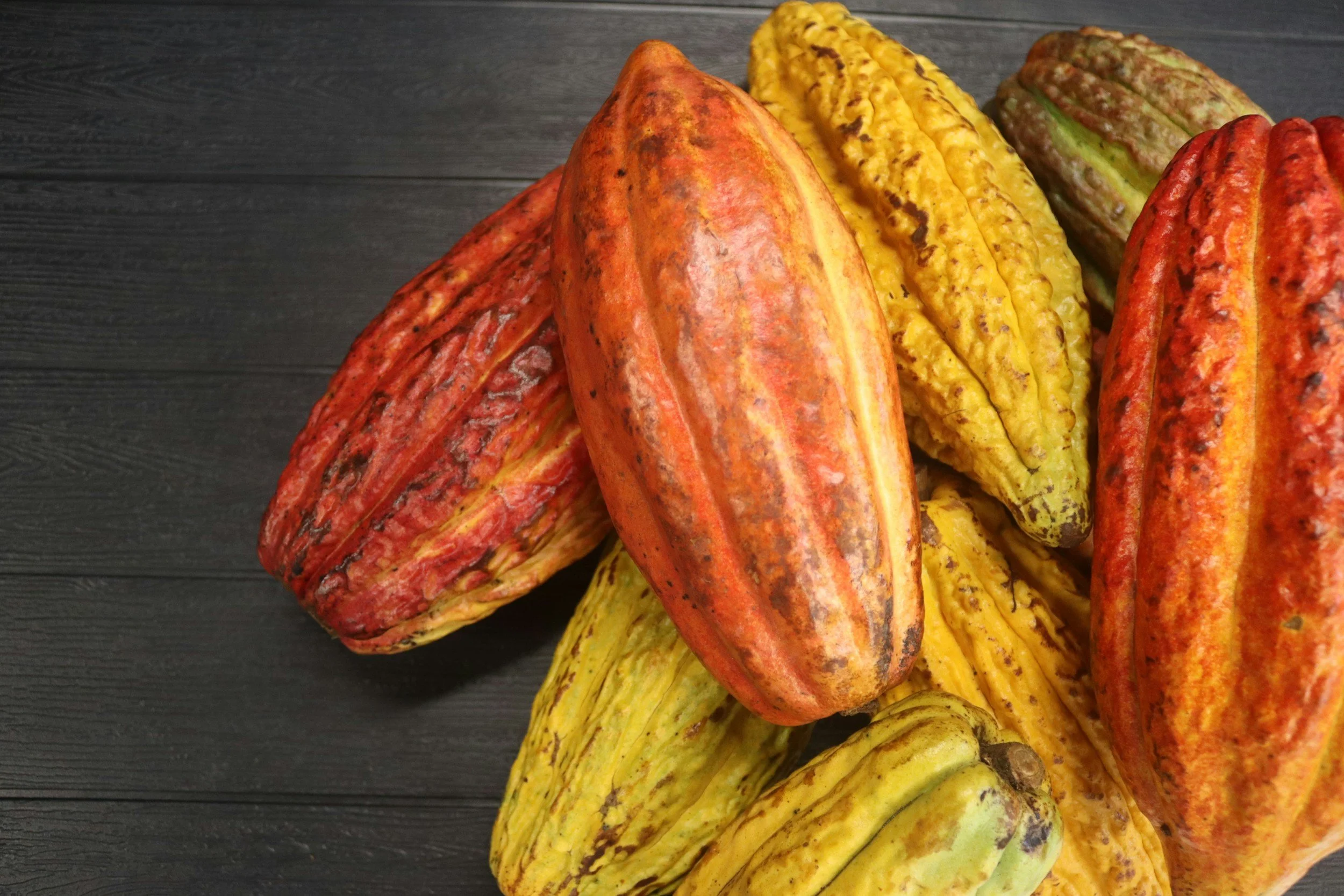
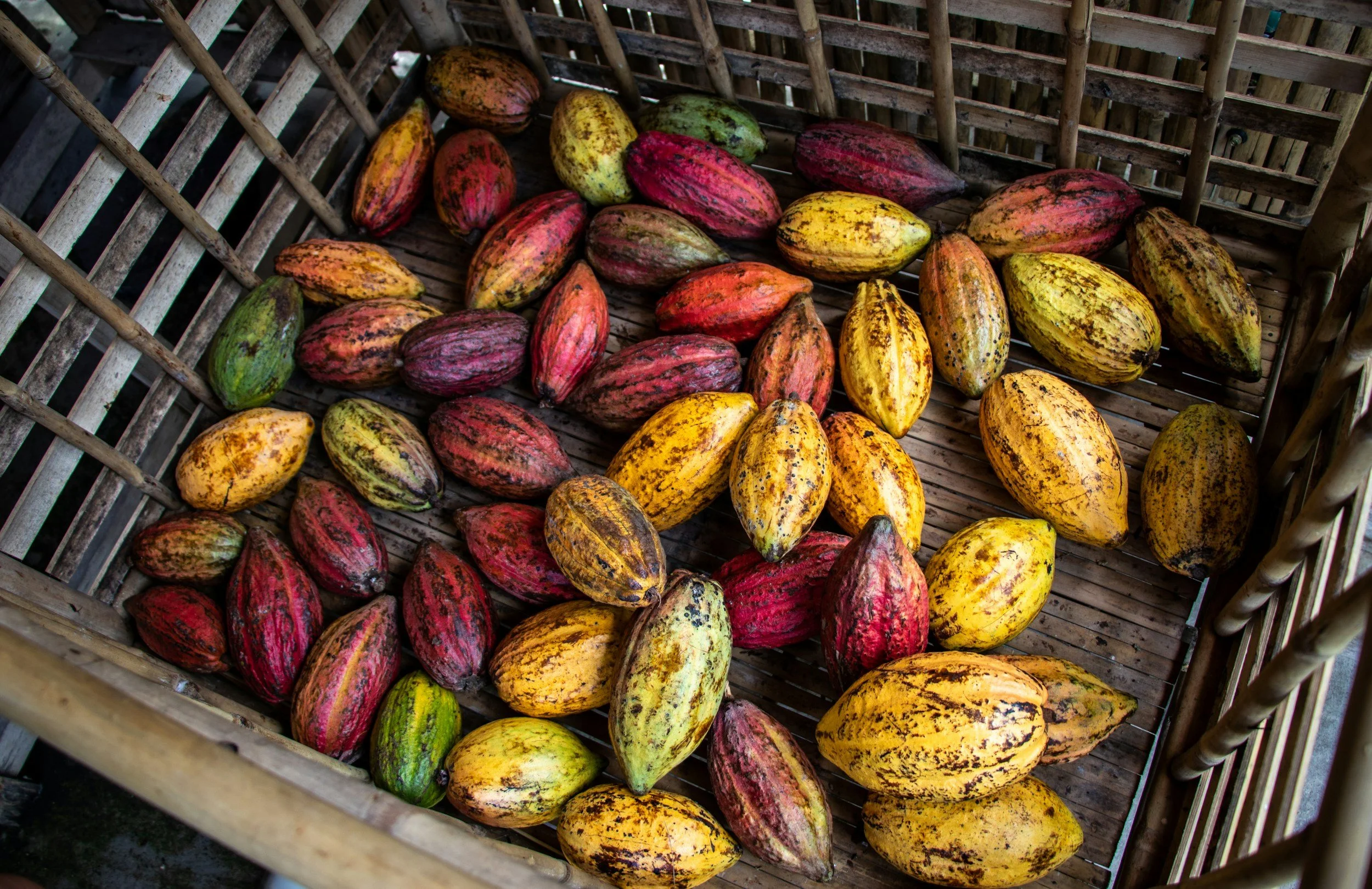
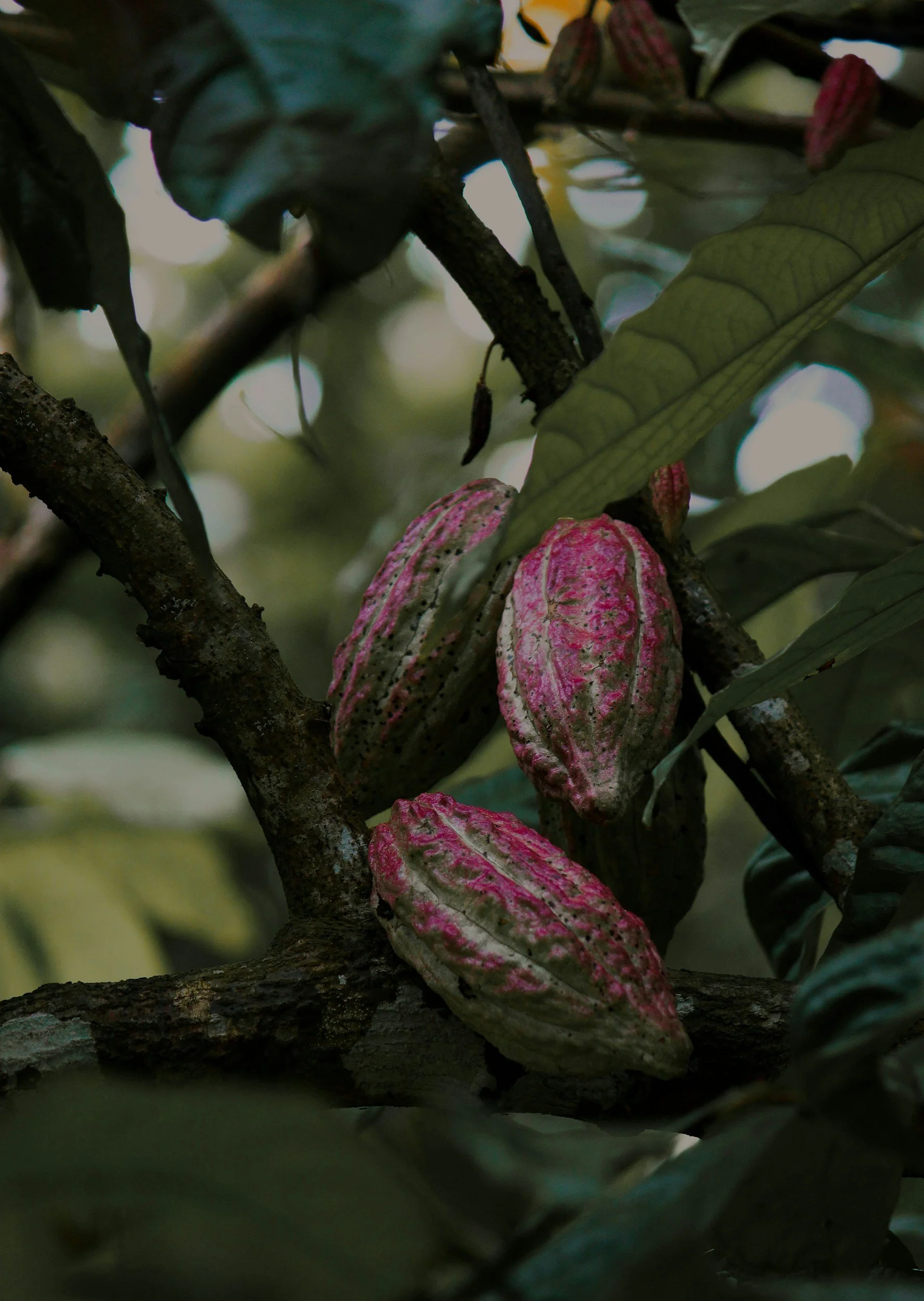
Cacao is one of the most nutrient-dense plant foods on the planet—but most chocolate products deliver very little of its original value. The difference lies in variety, fermentation, processing, and added ingredients. Quality cacao begins at the tree and is preserved (or destroyed) along the way.
This deeper dive explores:
How fermentation and processing shape cacao’s nutrients
The difference between cacao and cocoa
What research shows about minerals, antioxidants, and mood compounds
Practical ways to choose higher-quality cacao products
Let’s start at the foundation: the cacao bean.
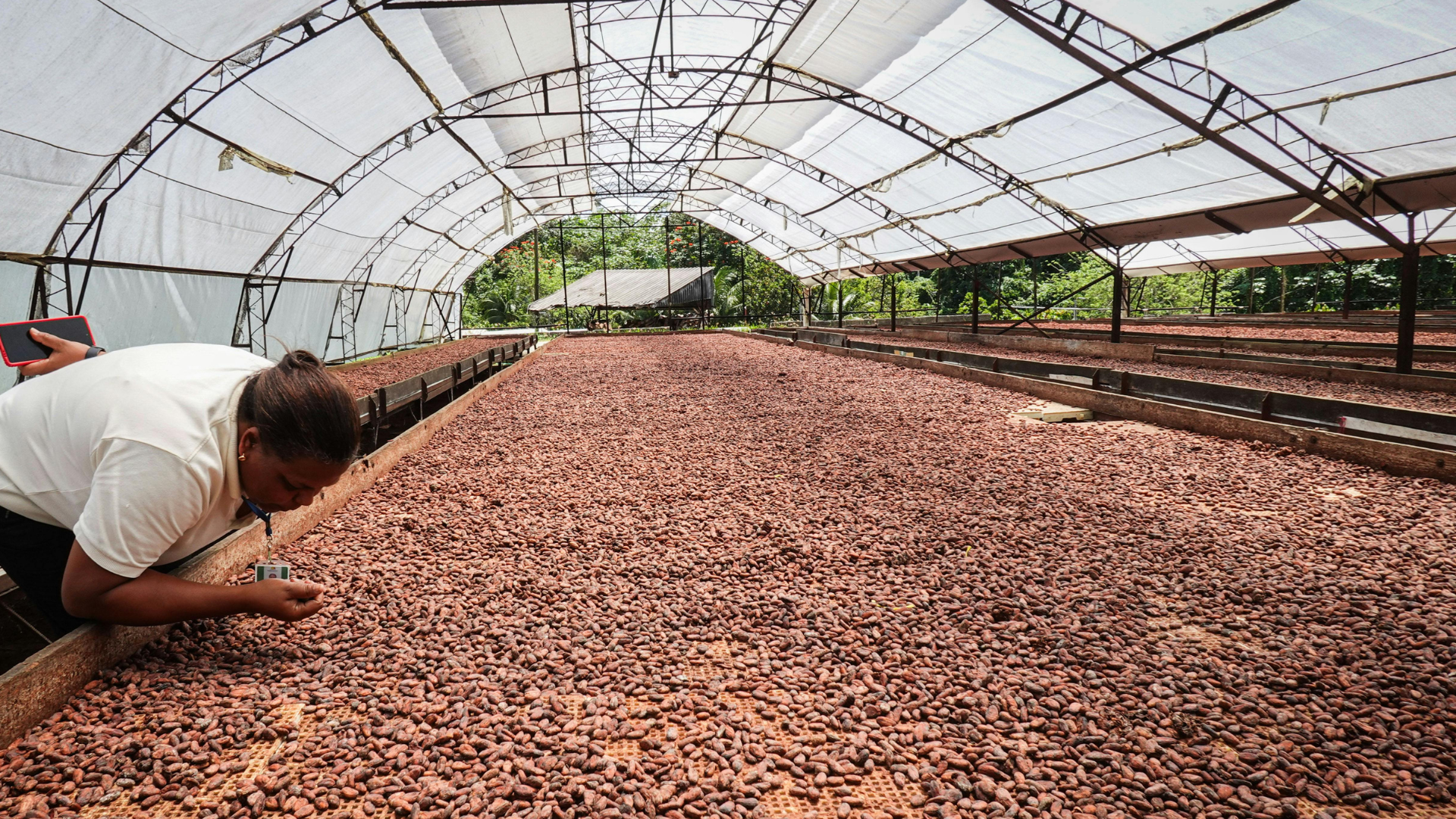
Fermentation & Drying: Where Quality Is Won or Lost
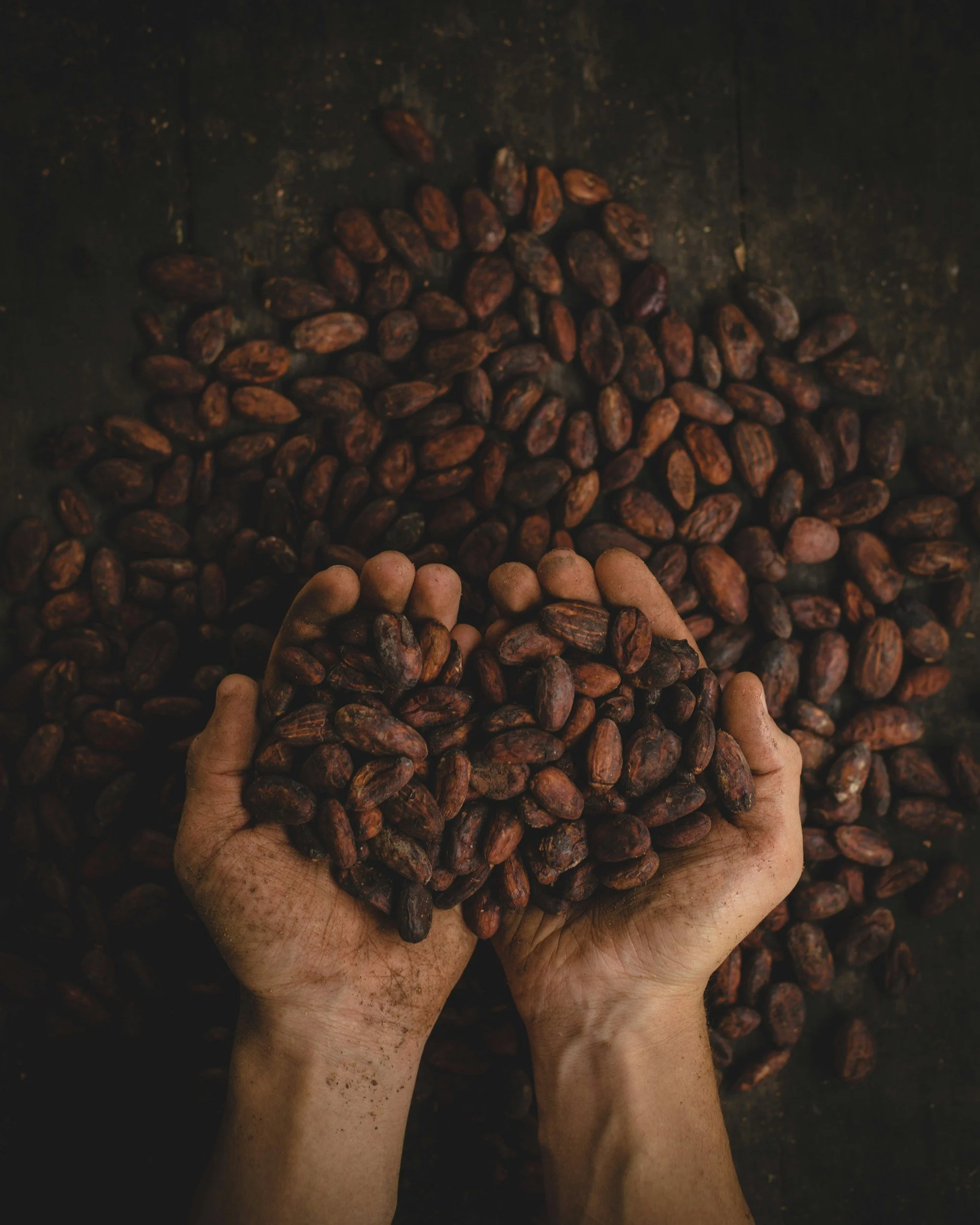
Fresh cacao beans are bitter and biologically inactive until they’re fermented and dried—steps that are essential for both flavor and nutrition.
Proper fermentation:
Develops flavor precursors
Reduces bitterness
Preserves polyphenols and antioxidants
Poor or rushed fermentation leads to:
Flat or harsh flavor
Lower antioxidant retention
Inconsistent quality
Post-harvest handling is one of the strongest determinants of cacao quality and bioactive compound preservation.
https://doi.org/10.1016/j.foodchem.2013.09.005
Cacao vs. Cocoa: A Critical Distinction
The terms are often used interchangeably—but they shouldn’t be.
Cacao
Minimally processed
Lower temperatures
Retains more antioxidants and minerals
Includes cacao nibs, paste, and raw cacao powder
Cocoa
Often roasted at high heat
May be alkalized (“Dutch-processed”)
Loses a significant portion of polyphenols
Alkalization dramatically reduces flavanol content—sometimes by more than 60%.
https://doi.org/10.1016/j.foodchem.2008.10.028
Minerals & Bioactive Compounds
High-quality cacao is rich in:
Magnesium – muscle, nerve, and stress regulation
Iron – oxygen transport and energy metabolism
Copper & manganese – antioxidant enzyme support
Flavanols – potent antioxidants linked to vascular health
Theobromine – gentle stimulant and vasodilator
Phenylethylamine (PEA) – associated with mood elevation
Cacao is consistently ranked among the highest antioxidant foods by weight.
https://doi.org/10.1016/j.jfca.2010.04.005
Cardiovascular & Metabolic Benefits
Flavanol-rich cacao has been studied extensively for heart and metabolic health.
Research shows cacao flavanols:
Improve endothelial function
Support nitric oxide production
Enhance blood flow
Reduce oxidative stress
A large meta-analysis linked cocoa flavanol intake with improved cardiovascular markers.
https://doi.org/10.1136/bmj.d4488
Benefits depend on flavanol content, not chocolate candy consumption.
Sugar, Additives & What to Avoid
Most commercial chocolate products:
Contain large amounts of refined sugar
Include dairy, emulsifiers, and flavorings
Deliver minimal cacao content
Even “dark chocolate” can be misleading if cacao percentage is low or cocoa is heavily processed.
Safety & Contaminants
Cacao can accumulate heavy metals (notably cadmium and lead) from soil.
Risk is influenced by:
Region of origin
Soil composition
Processing and handling
Choosing reputable brands with transparent sourcing and testing helps reduce exposure.
Putting This Science Into Practice
When choosing cacao:
✔ Look for 70%+ cacao dark chocolate
✔ Choose raw or minimally processed cacao products
✔ Avoid alkalized (Dutch-processed) cocoa
✔ Check ingredient lists—cacao should come first
✔ Prefer stone-ground or traditionally processed chocolate
✔ Store cacao in a cool, dry place away from light
Cacao nibs, unsweetened cacao powder, and high-percentage dark chocolate offer the most benefit.
Summary: Cacao Is Powerful—When Preserved
Cacao is a true superfood, rich in minerals, antioxidants, and bioactive compounds that support cardiovascular, metabolic, and cognitive health. However, these benefits are highly sensitive to fermentation, processing, and added ingredients. Choosing minimally processed, high-cacao products preserves cacao’s biological integrity—transforming chocolate from a sugary indulgence into a meaningful, plant-based source of nourishment rooted in traditional preparation and careful stewardship.