Nuts & Seeds
Choose raw, whole seeds and grind fresh as needed. Store in the fridge or freezer to avoid rancidity.
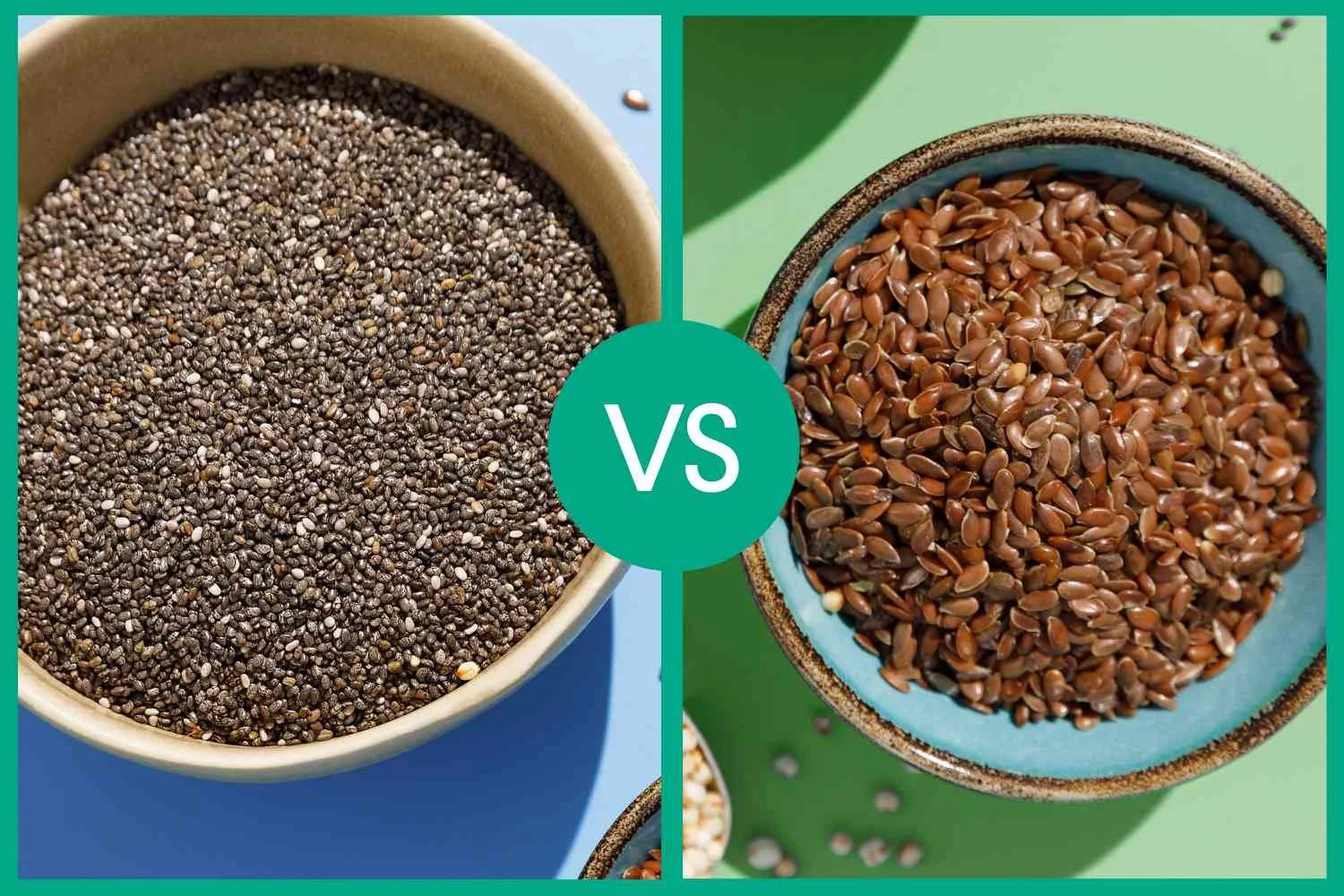
Seeds like flax, chia, sunflower, pumpkin, and sesame are rich in essential fatty acids, plant-based protein, fiber, and minerals. However, they’re highly perishable due to their natural oils, which can go rancid quickly if exposed to heat, light, or air. Pre-ground seeds (like flaxseed meal) oxidize faster and often lose their potency by the time they reach your pantry. Many store-bought seeds are also roasted at high temperatures, which can degrade sensitive nutrients.
💡 Buy whole, raw, and preferably organic seeds. For optimal freshness, store them in airtight containers in the fridge or freezer, especially flax and chia. Grind seeds fresh as needed — flax and sesame are best absorbed this way. Avoid heavily salted or flavored seed mixes that may contain refined oils or additives.
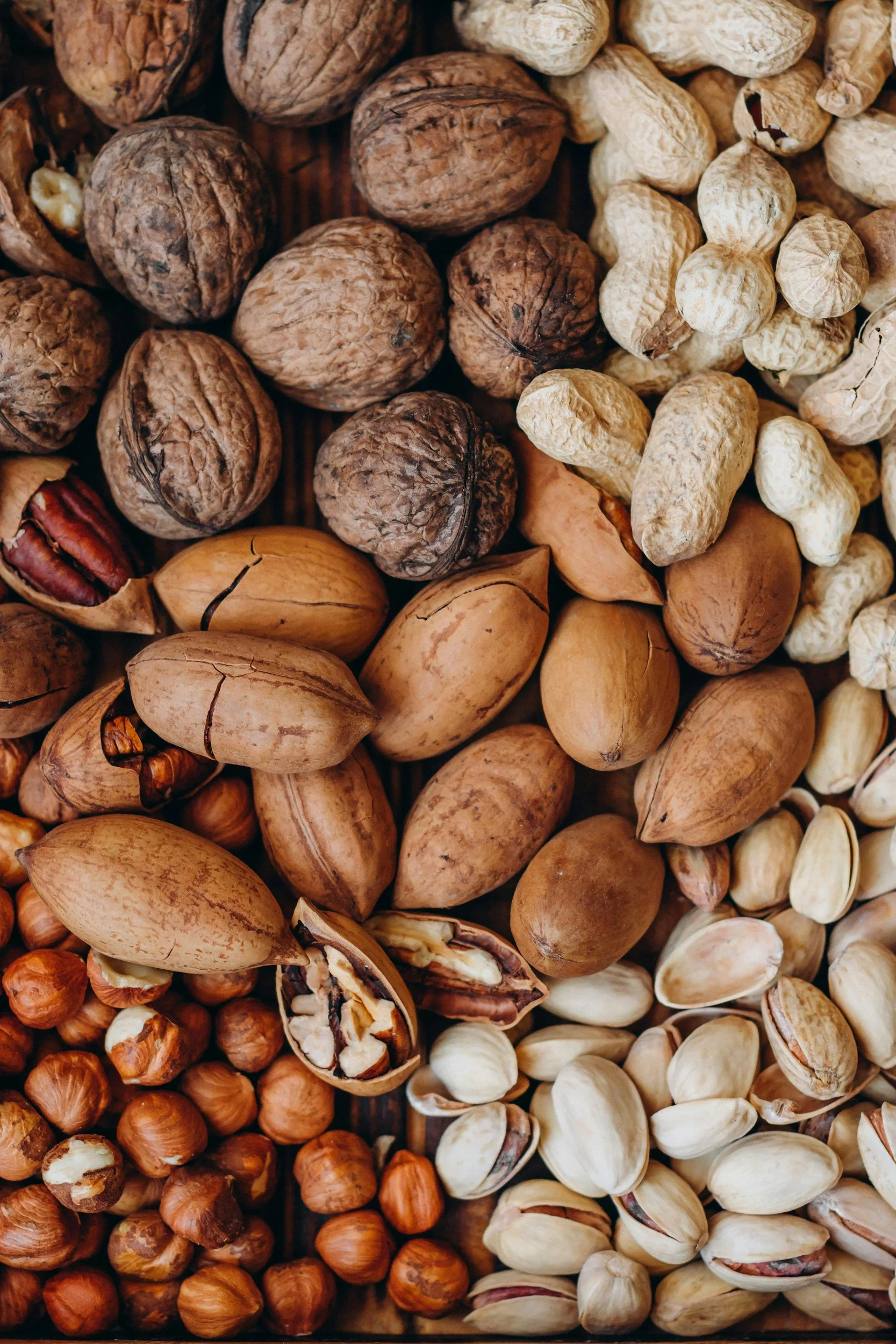
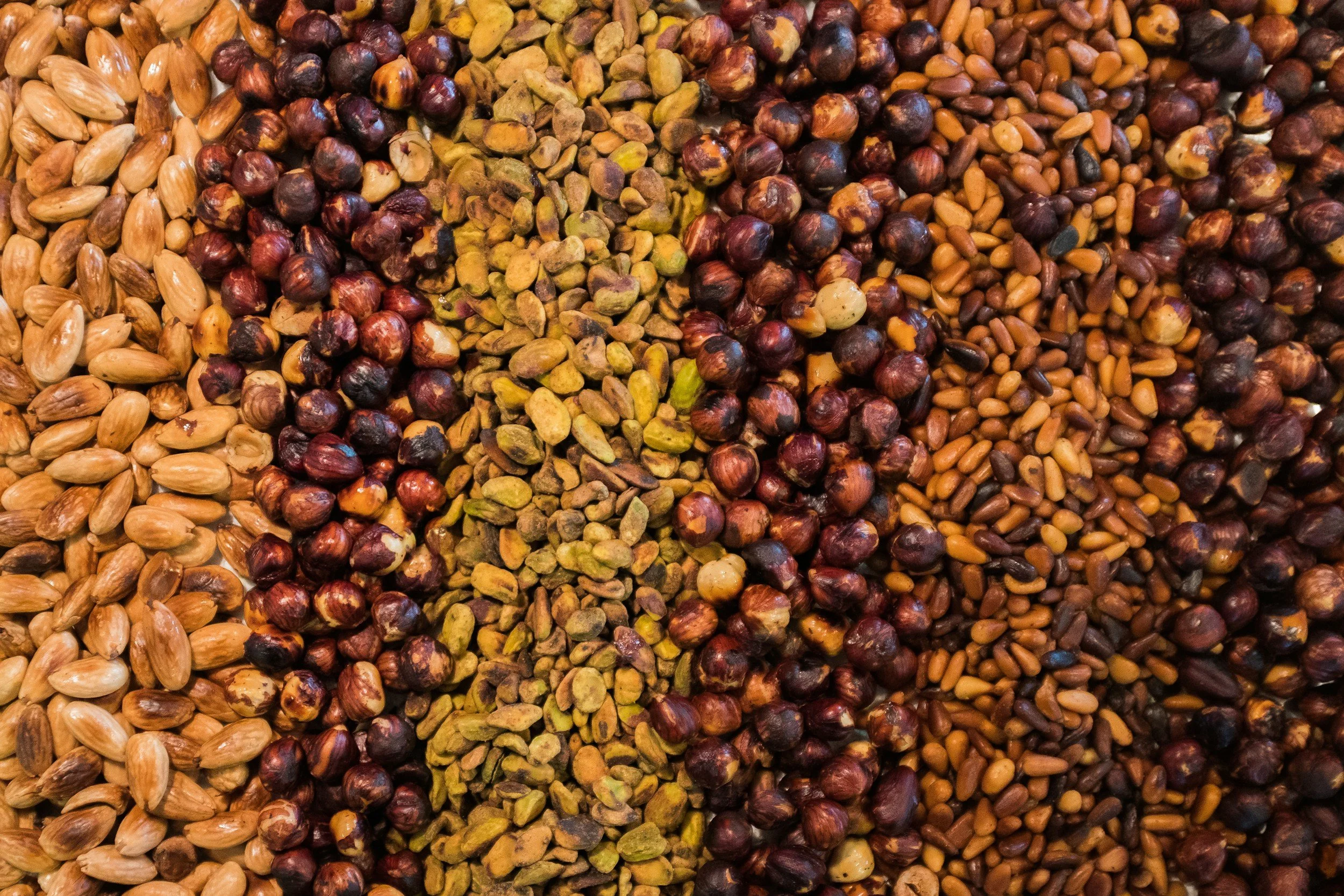
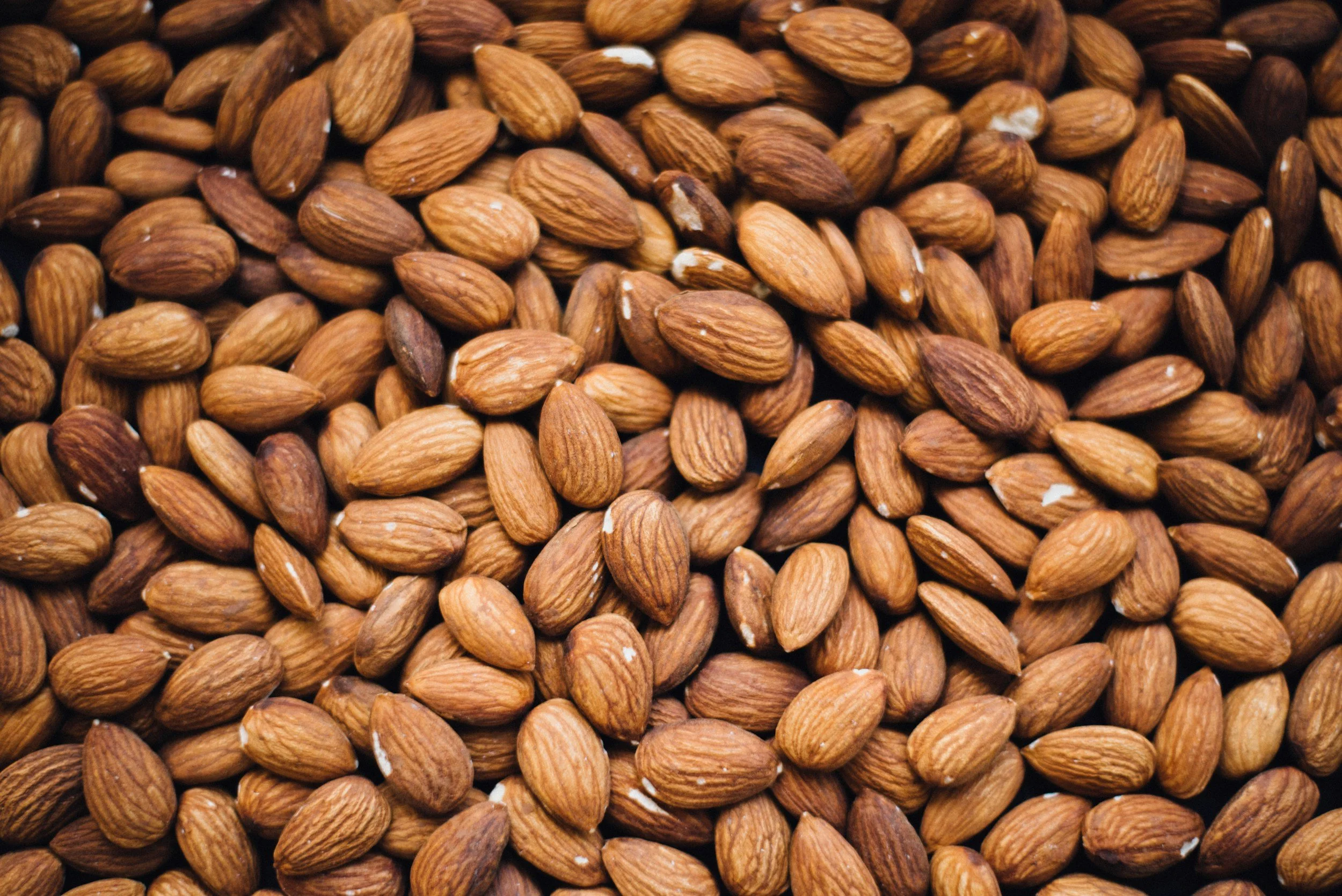
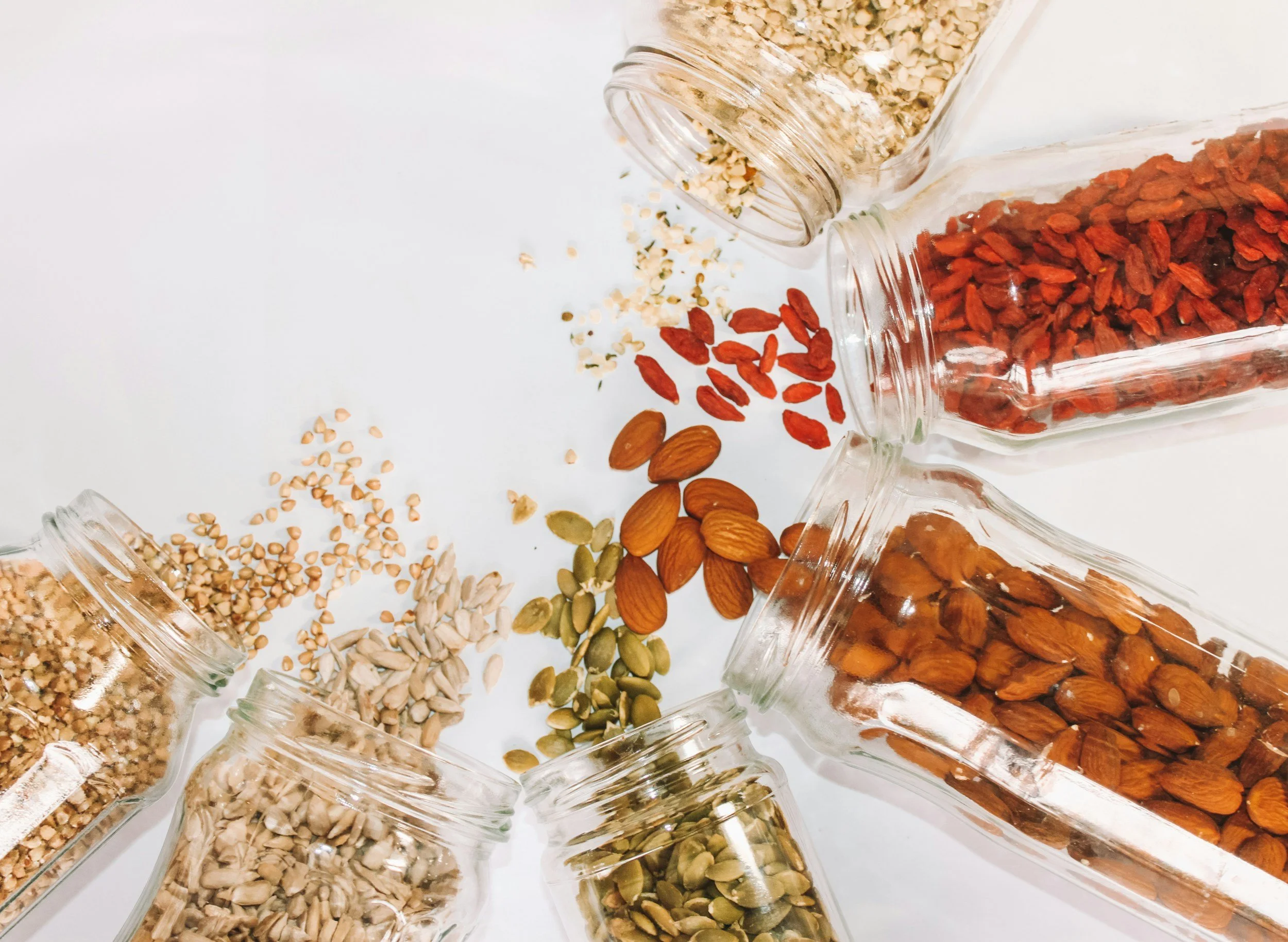
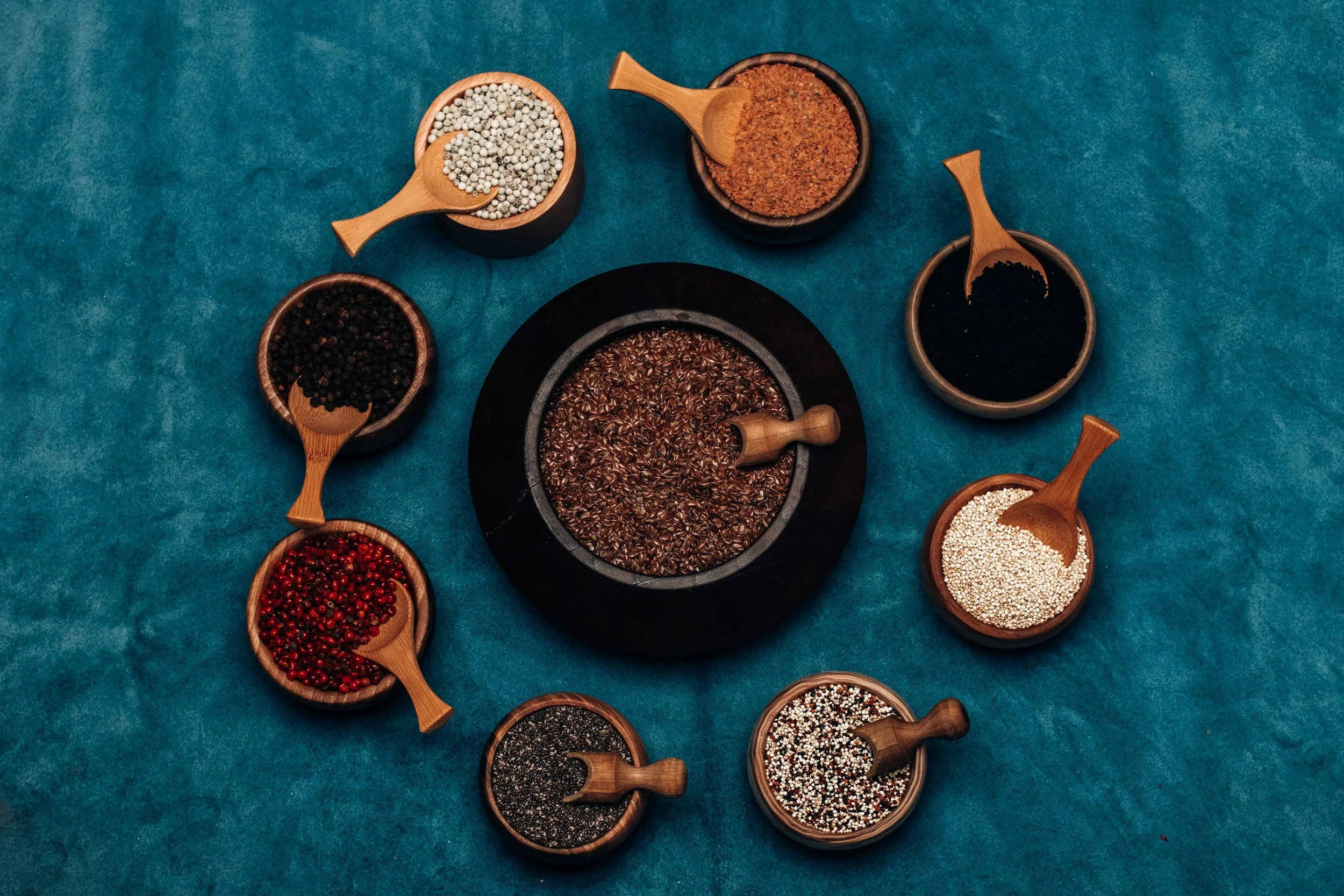
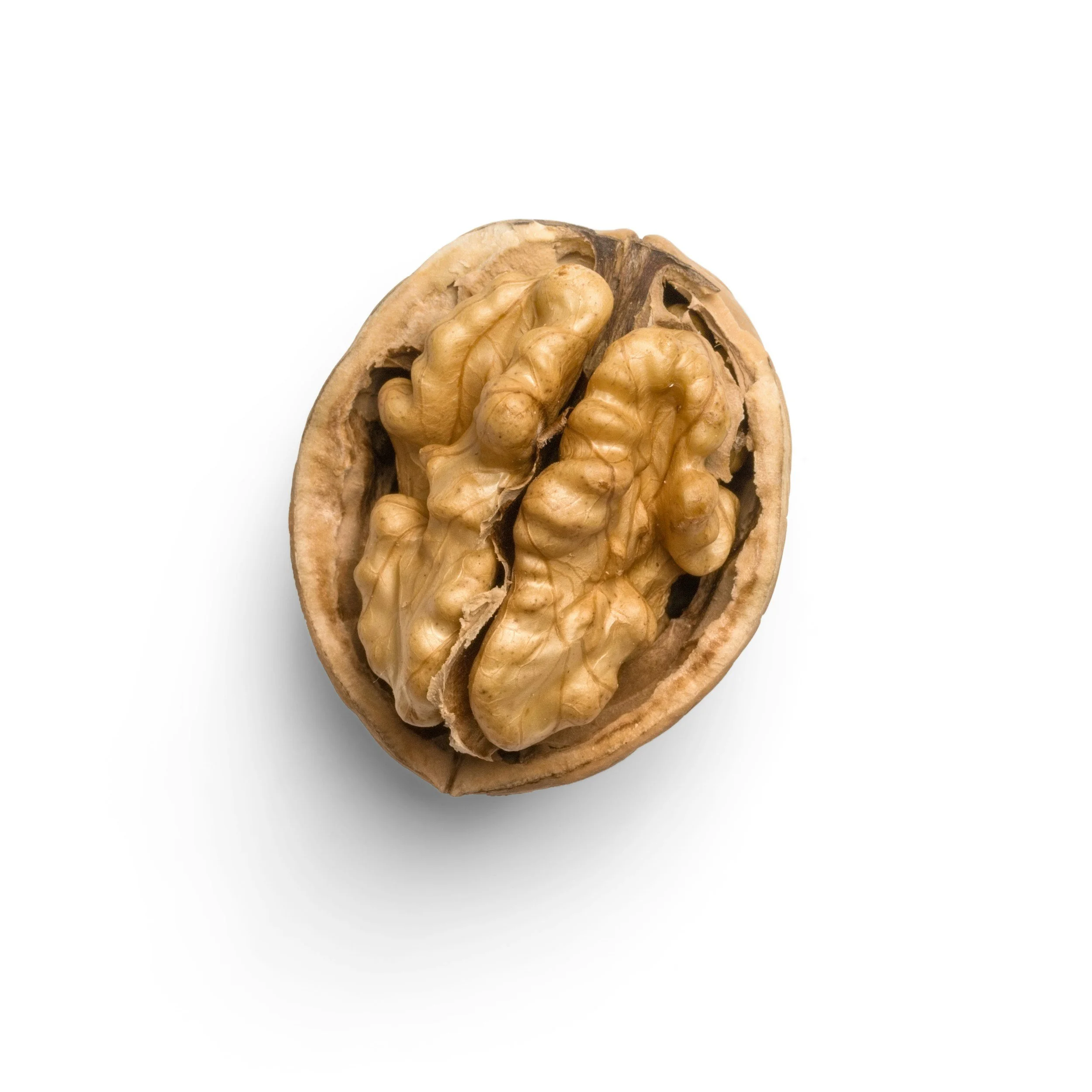
From Shell to Spoon: Nuts & Seeds and Why Quality Matters
Nuts and seeds are compact sources of healthy fats, protein, fiber, and minerals—but their nutritional value is highly sensitive to freshness, processing, and storage. Because they’re rich in delicate oils, quality determines whether they nourish the body or contribute to oxidation and digestive stress.
This deeper dive explores:
How growing conditions and processing affect nut and seed quality
The role of fats, antinutrients, and oxidation
What research shows about freshness and bioavailability
Practical ways to choose, store, and prepare nuts and seeds
Let’s start at the foundation: the fat.
Fat Quality & Oxidation: The Central Issue
Nuts and seeds are rich in polyunsaturated and monounsaturated fats—nutritionally valuable, but chemically fragile.
When exposed to:
Heat
Light
Air
Time
These fats oxidize, forming compounds that contribute to inflammation and cellular stress.
Studies show that lipid oxidation increases significantly in nuts and seeds stored improperly or roasted at high temperatures.
https://doi.org/10.1016/j.foodchem.2016.06.110
Freshness and storage matter as much as the nut itself.
Raw vs. Roasted: What Changes
Raw Nuts & Seeds
Retain natural antioxidants
Have more intact fatty acid structures
Require proper storage to prevent rancidity
Roasted Nuts & Seeds
May develop deeper flavor
Can lose antioxidants and vitamin E
Are more prone to oxidation if roasted at high heat
Low-temperature dry roasting preserves more nutrients than industrial high-heat roasting.
https://doi.org/10.1016/j.lwt.2014.03.014
Antinutrients & Digestibility
Like legumes and grains, nuts and seeds contain:
Phytic acid, which can bind minerals
Enzyme inhibitors, which may affect digestion
Traditional preparation methods reduce these compounds.
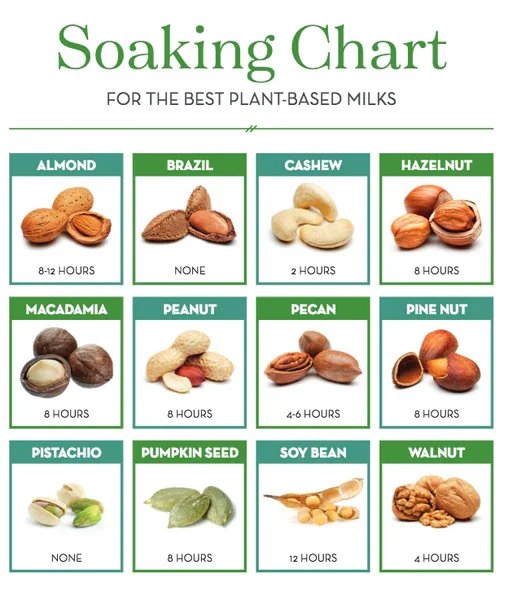
Soaking & Sprouting
Soaking nuts and seeds:
Reduces phytic acid
Improves mineral absorption
Enhances digestibility
Research confirms that soaking significantly lowers phytate levels in nuts and seeds.
https://doi.org/10.1016/j.foodchem.2013.02.064
(Some nuts—like walnuts and pecans—benefit more from soaking than others.)
Seeds: Grind for Absorption
Seeds with tough outer shells (flax, sesame, chia) often pass through the digestive tract intact if eaten whole.
Grinding:
Improves omega-3 absorption
Increases mineral bioavailability
Enhances antioxidant uptake
Studies show ground flaxseed provides significantly greater omega-3 bioavailability than whole seeds.
https://doi.org/10.1016/j.jnutbio.2015.02.002
Storage: Protecting Delicate Oils
Because of their fat content, nuts and seeds should be treated more like oils than pantry staples.
Best practices:
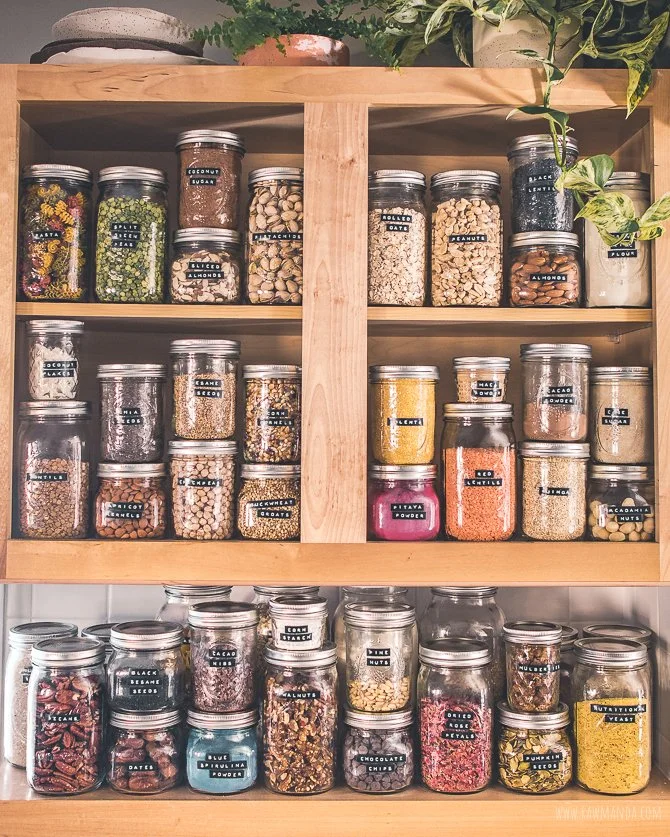
Store in airtight containers
Keep away from heat and light
Refrigerate or freeze for long-term storage
Cold storage significantly slows oxidation and preserves nutrient quality.
https://doi.org/10.1016/j.foodchem.2018.01.077
If nuts or seeds smell “paint-like” or bitter, they’re rancid.
Organic & Sourcing Considerations
Nuts and seeds are often heavily sprayed crops.
Choosing organic:
Reduces pesticide exposure
Often correlates with better handling practices
Supports soil health in nut orchards and seed production
Freshness and turnover, however, remain the most important factors.
Putting This Science Into Practice
When choosing nuts and seeds:
✔ Buy raw, whole nuts and seeds when possible
✔ Choose organic for high-spray crops
✔ Store nuts and seeds in the fridge or freezer
✔ Grind seeds fresh as needed
✔ Avoid pre-ground seed meals sitting at room temperature
✔ Trust your senses—fresh nuts smell clean and mild
Summary: Freshness Determines the Benefit
Nuts and seeds are nutrient-dense foods—but only when their delicate fats are protected. Oxidation, improper storage, and excessive processing quickly erode their value. Choosing fresh, properly stored nuts and seeds—and preparing them thoughtfully—preserves their healthy fats, minerals, and antioxidants, turning small foods into powerful nutritional allies rooted in both plant biology and traditional wisdom.