Honey, Sugars & Syrups
Choose raw, unpasteurized honey from local beekeepers. Look for darker color, fall harvest. Never heat above 104°F.
Honey is a natural sweetener with remarkable medicinal properties — but not all honey is created equal. Most commercial honeys are ultra-filtered, pasteurized, and diluted with syrups, stripping them of beneficial enzymes and nutrients. Raw, unfiltered honey retains its antimicrobial qualities and floral complexity.
💡 Buy local, raw honey from small producers whenever possible. Store at room temperature in a sealed jar. Never heat raw honey above 104°F (40°C), as high temperatures destroy its active compounds. Don’t refrigerate honey- keep away from moisture. Freezing doesn’t seem harmful, though pantry storage seems best.

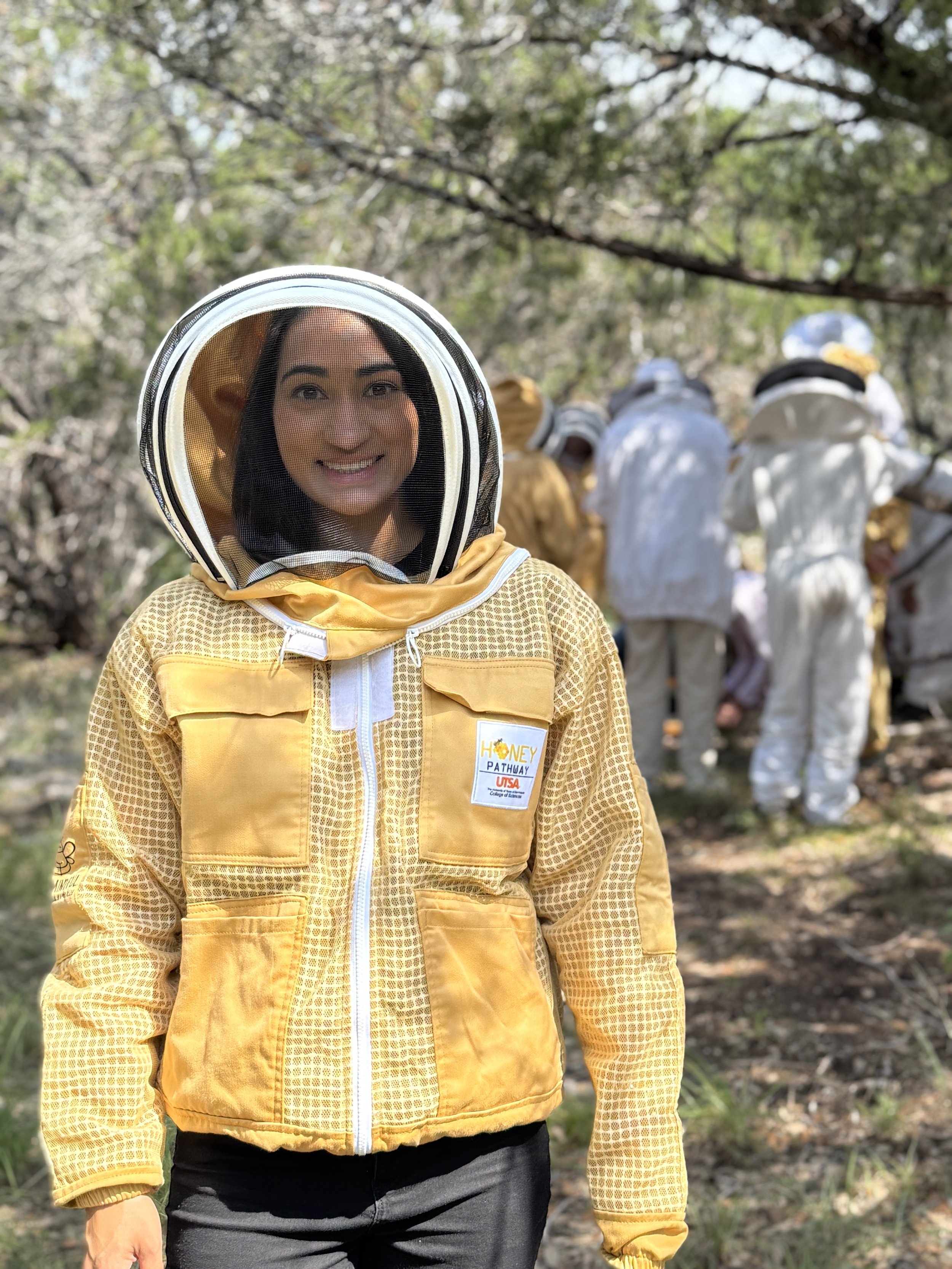
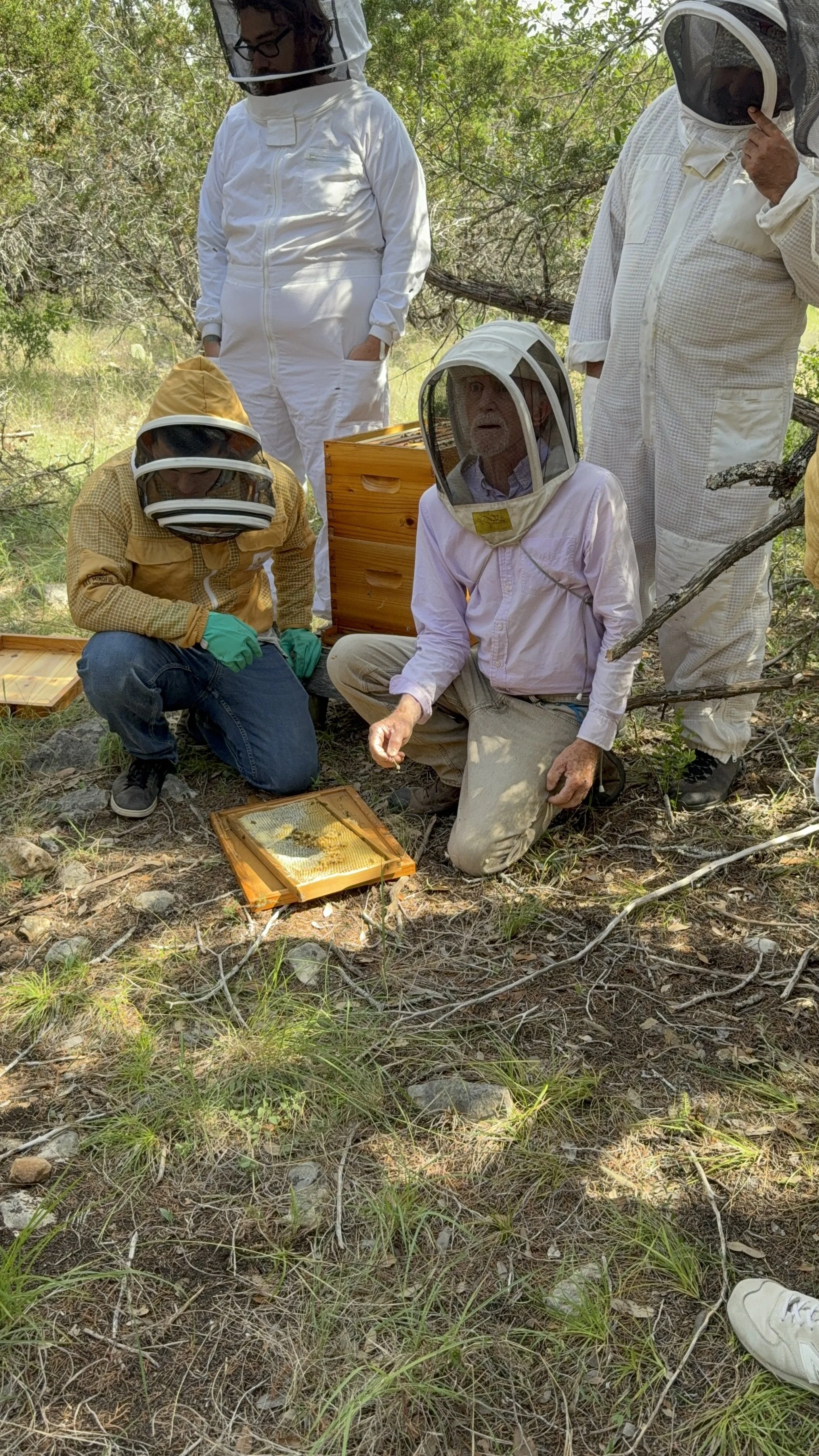
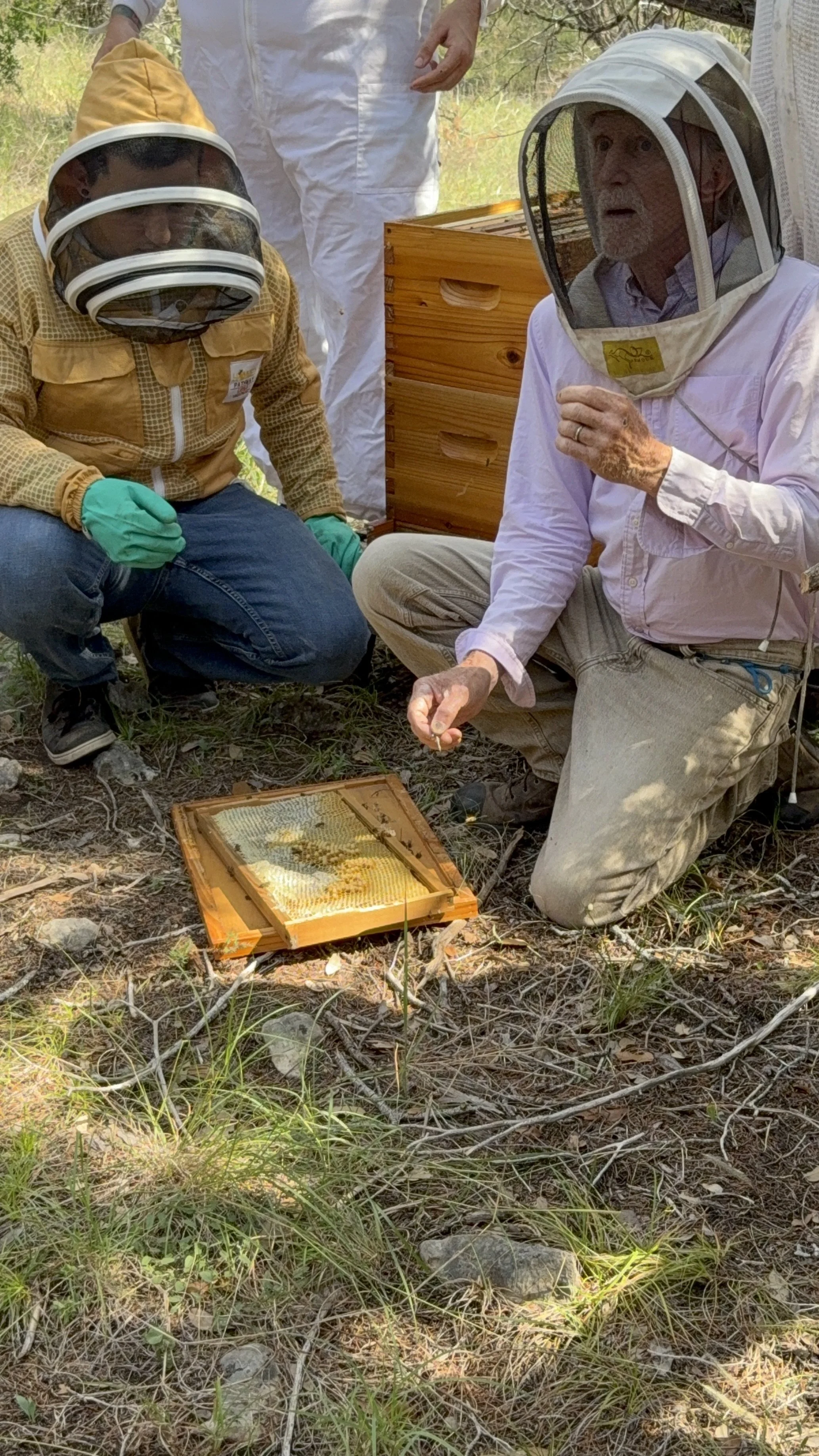
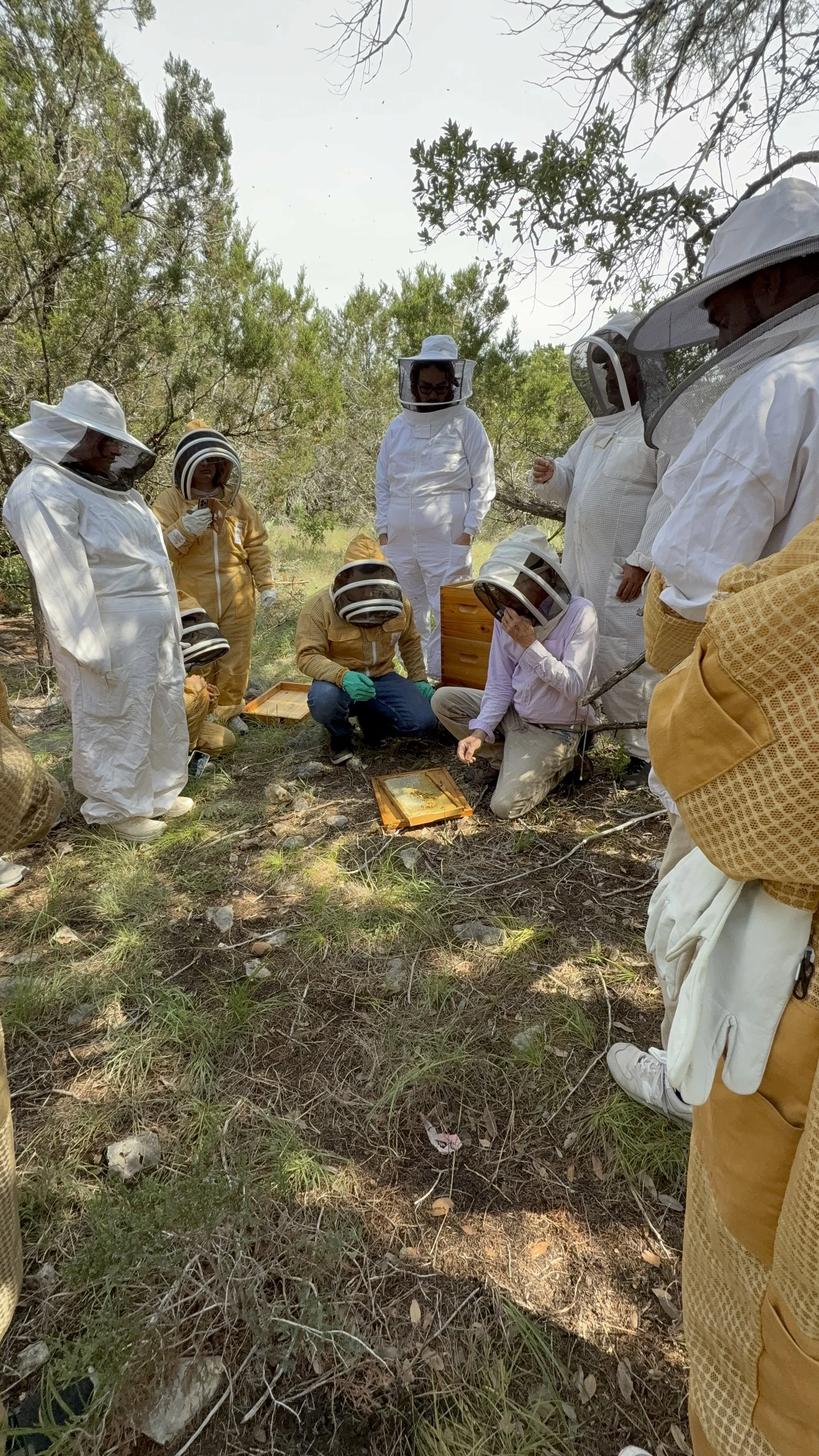
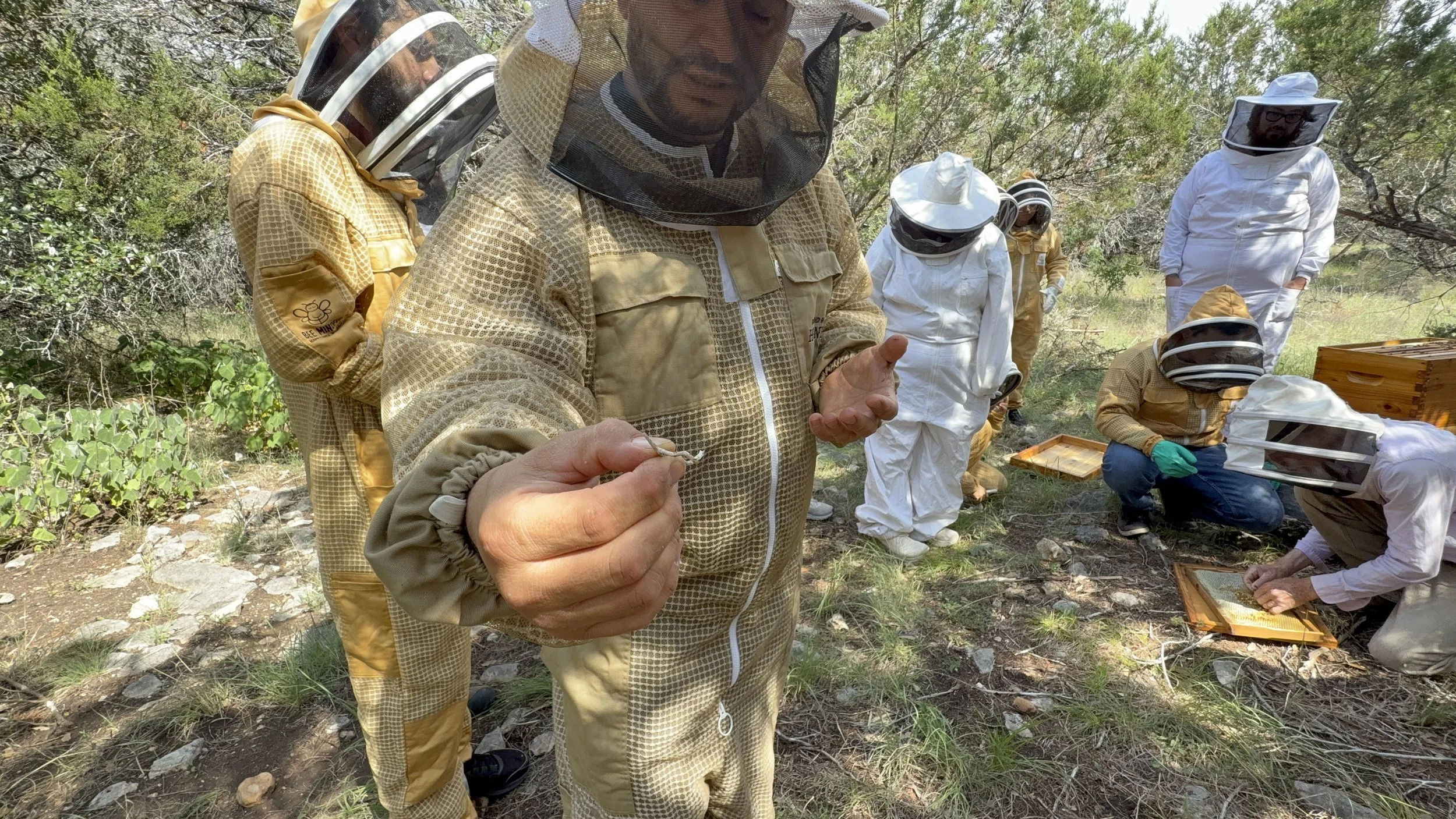
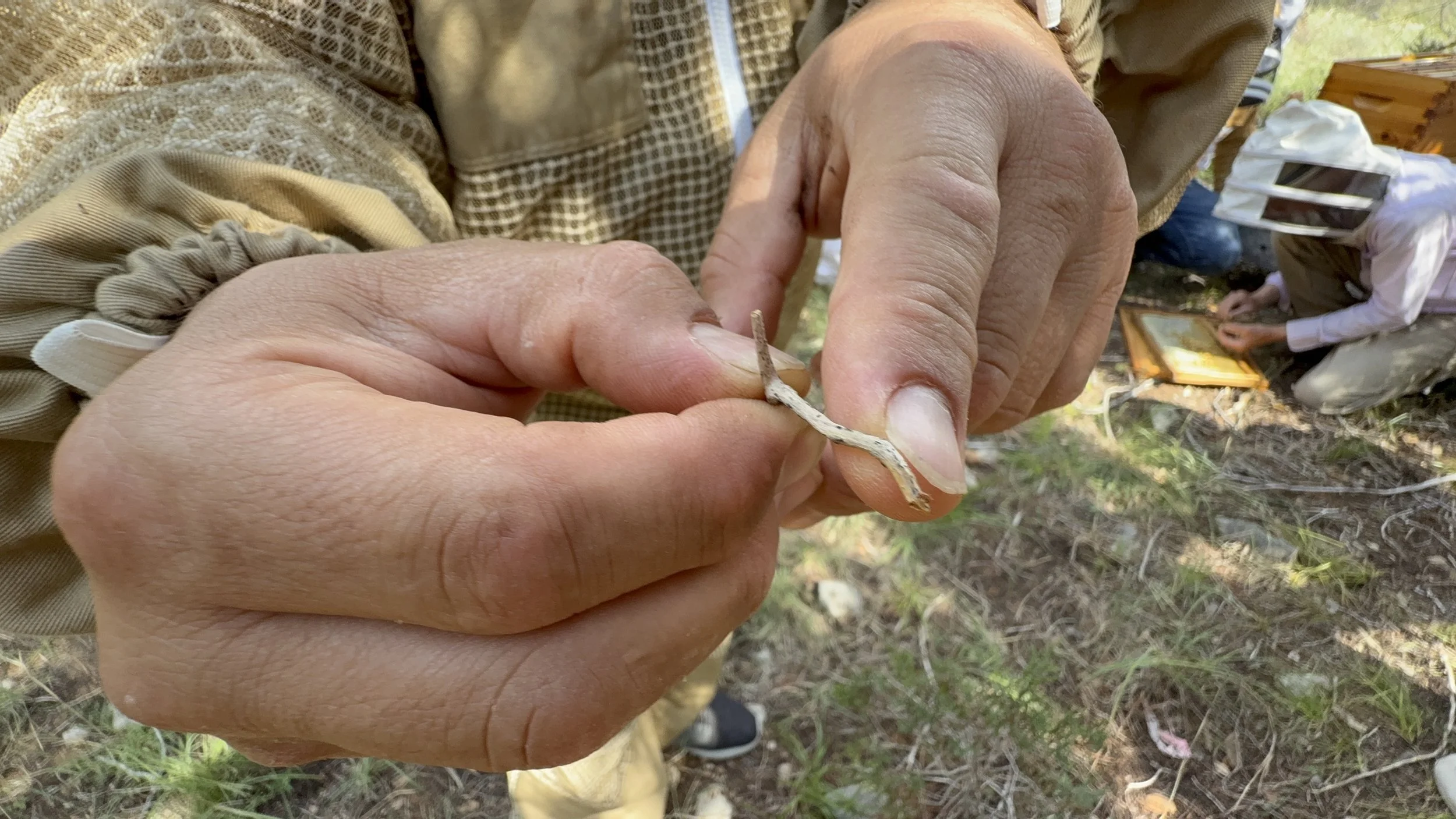
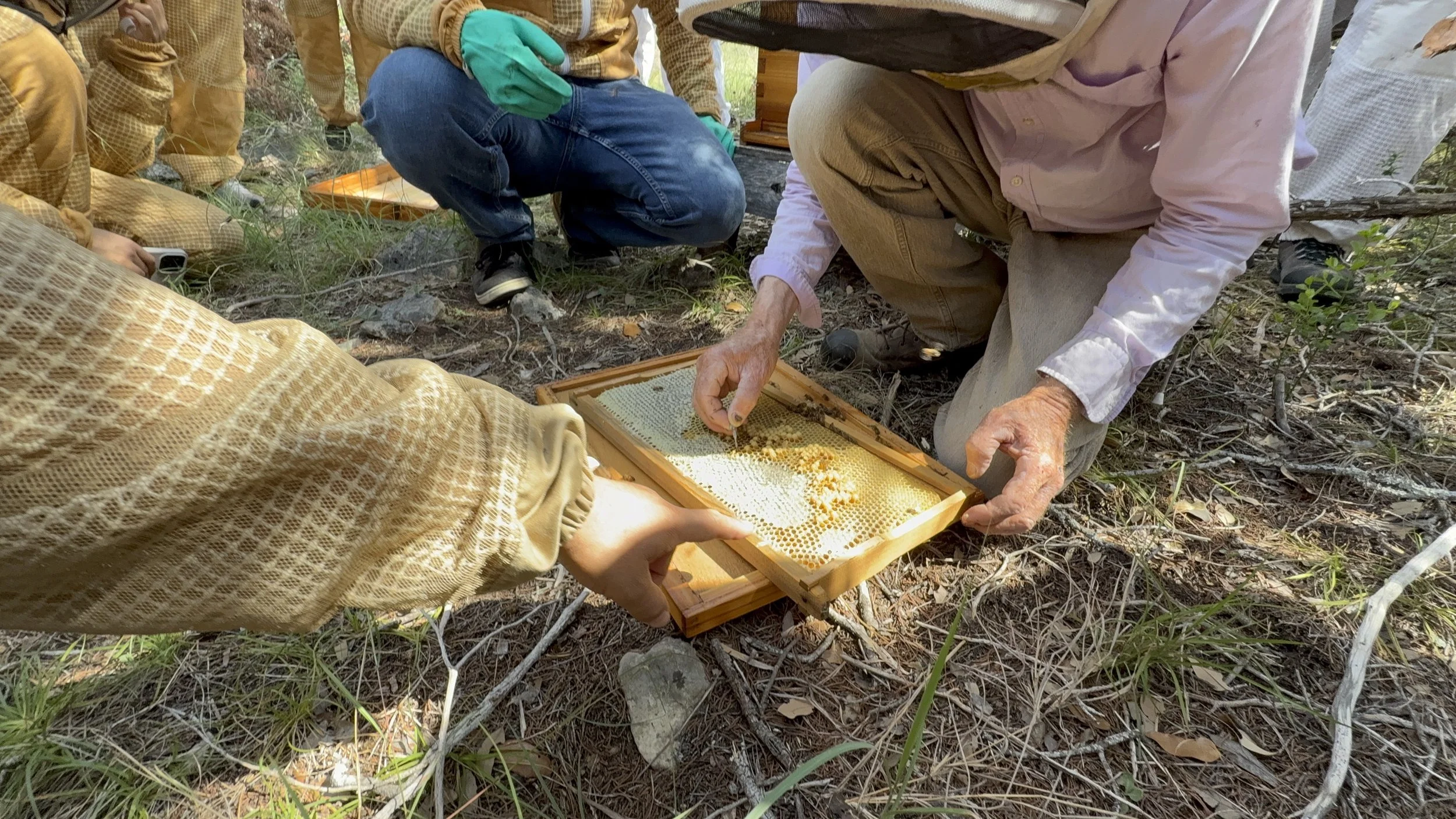
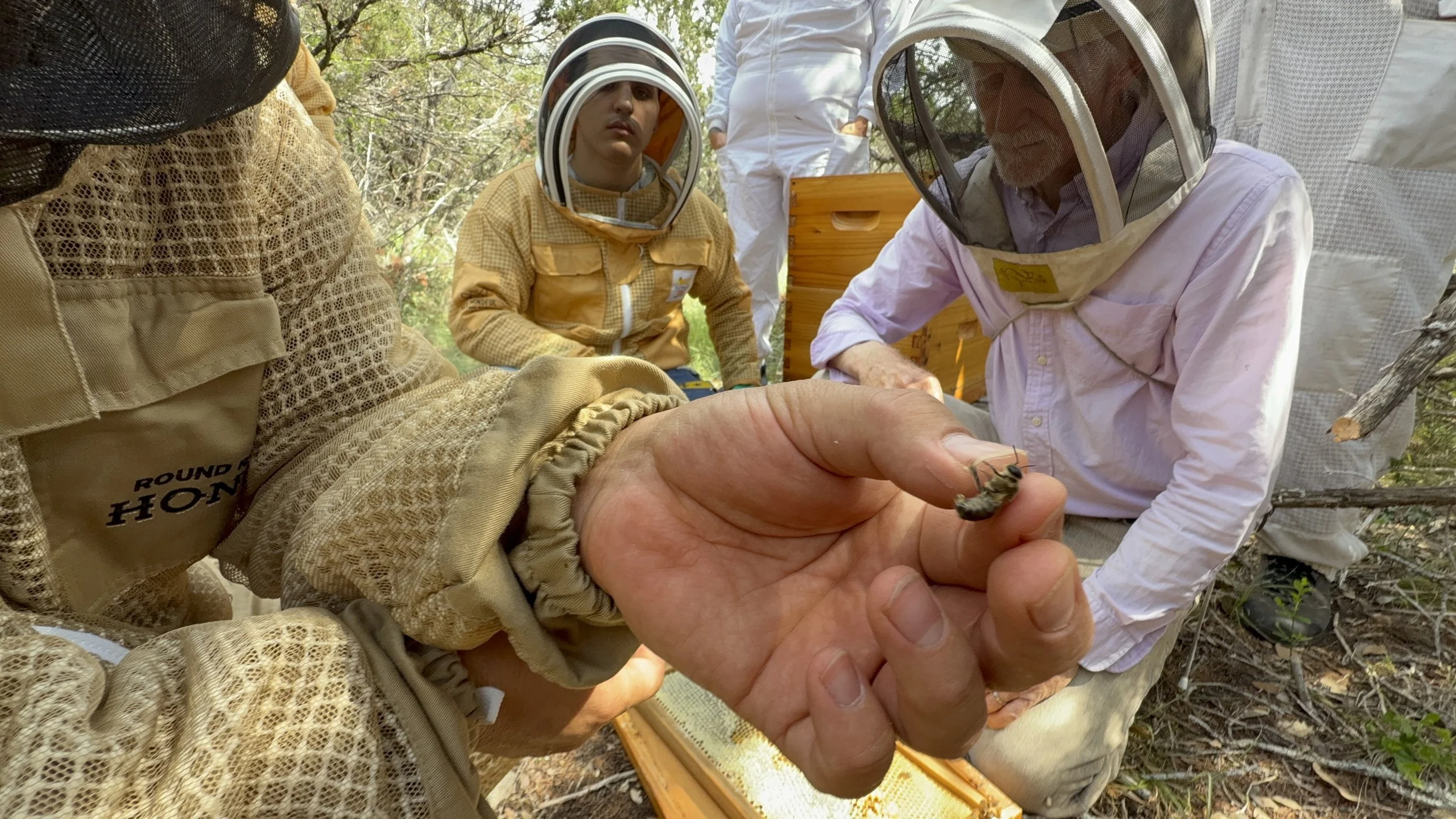
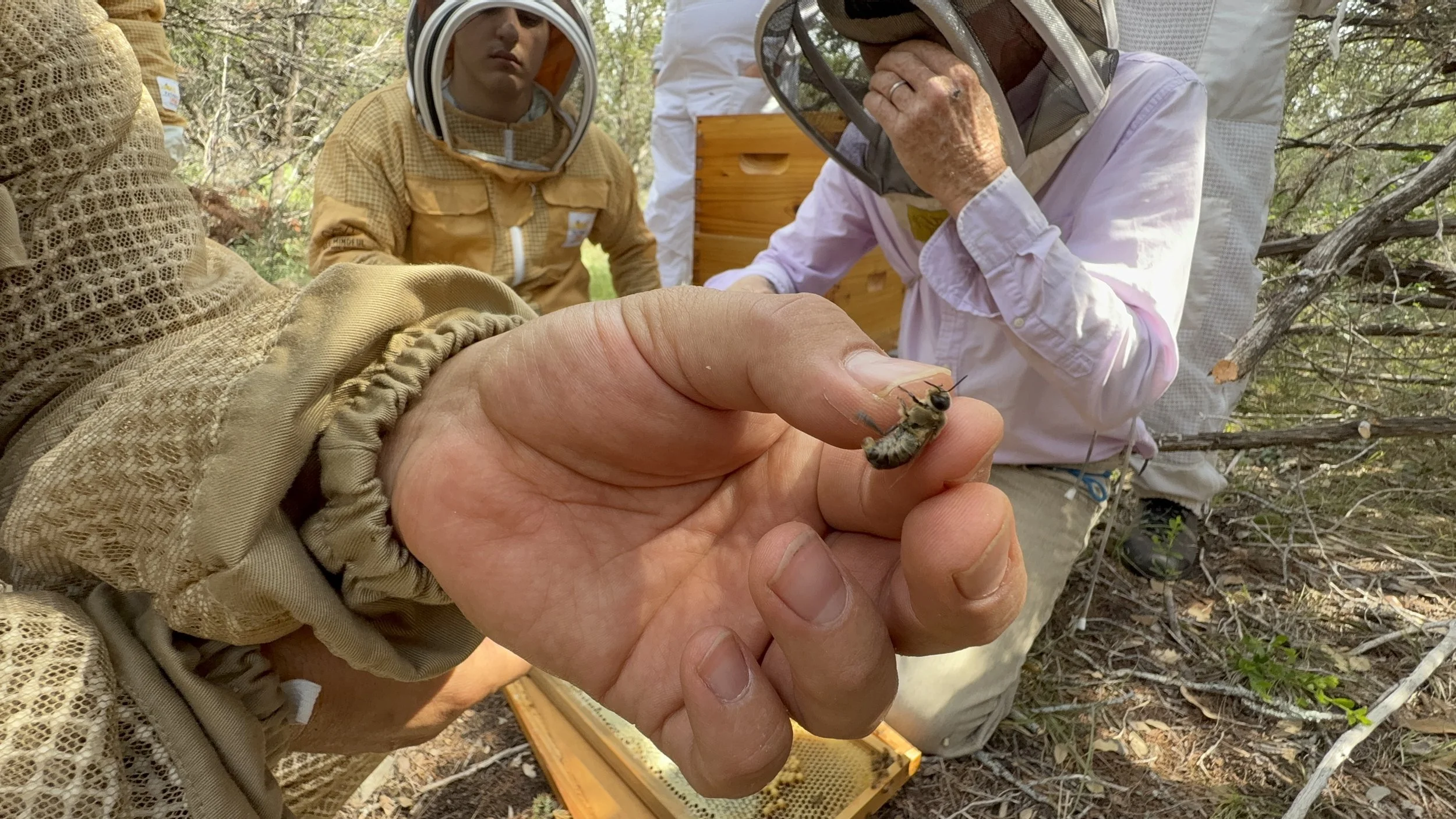
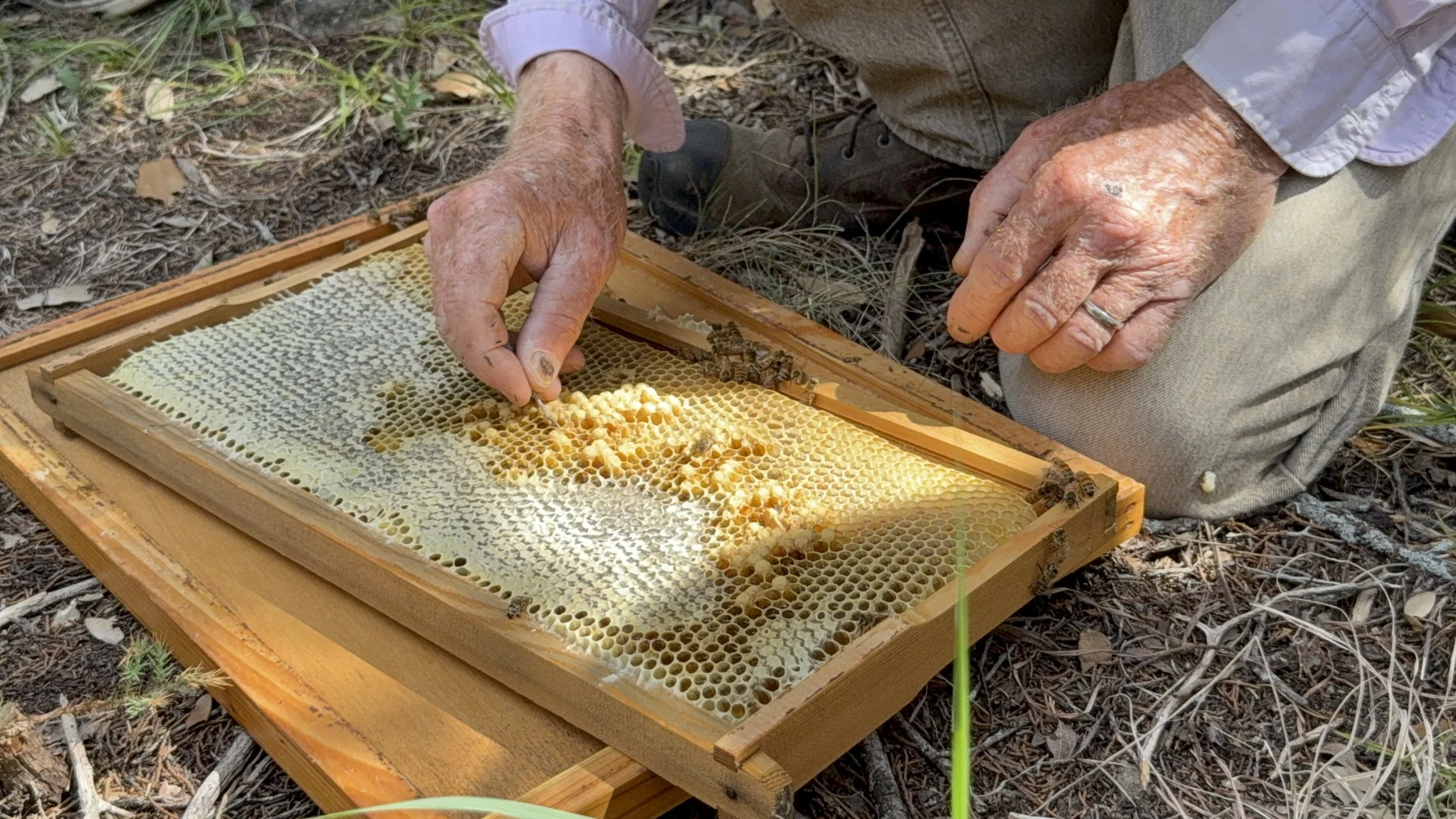
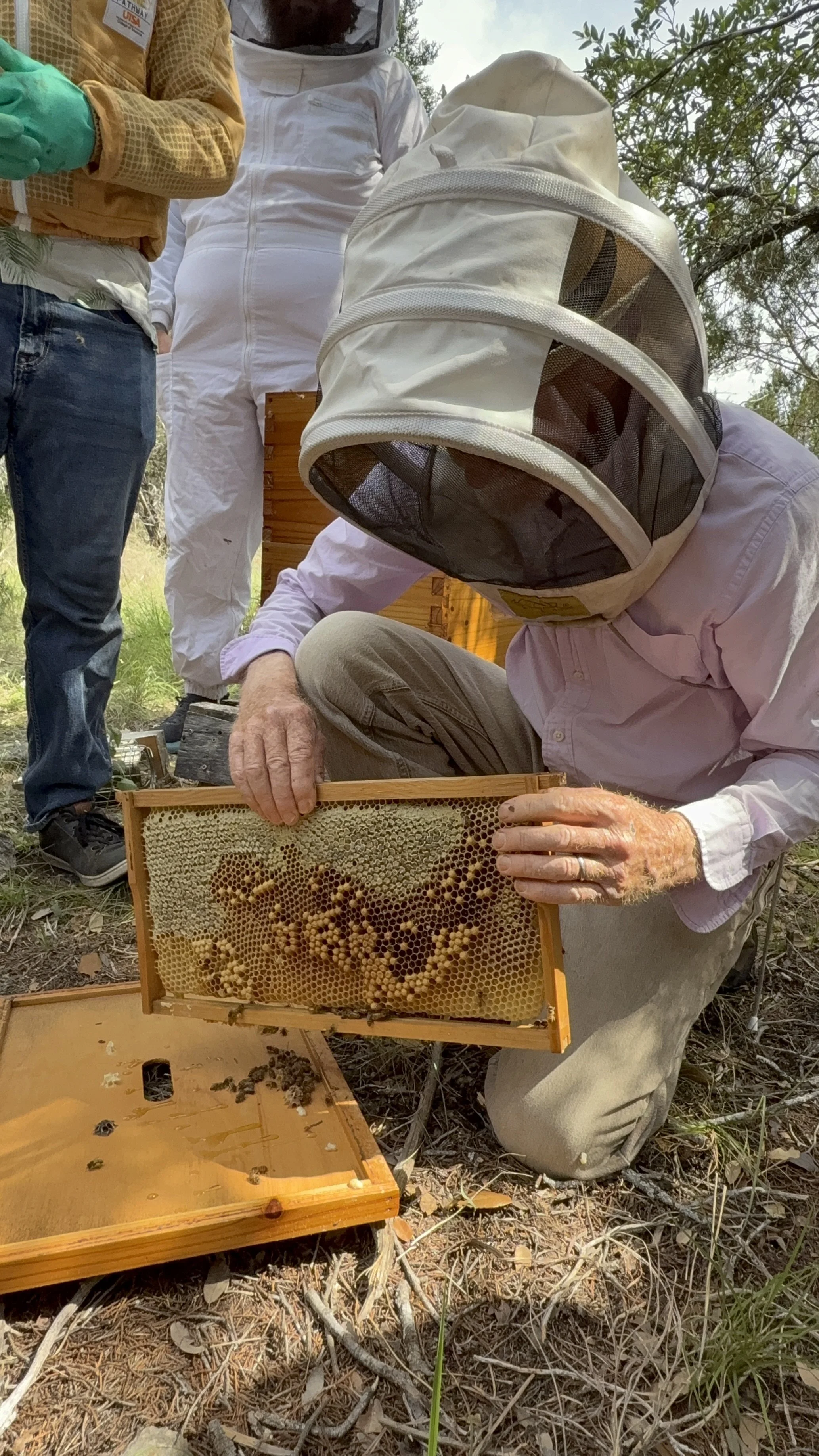
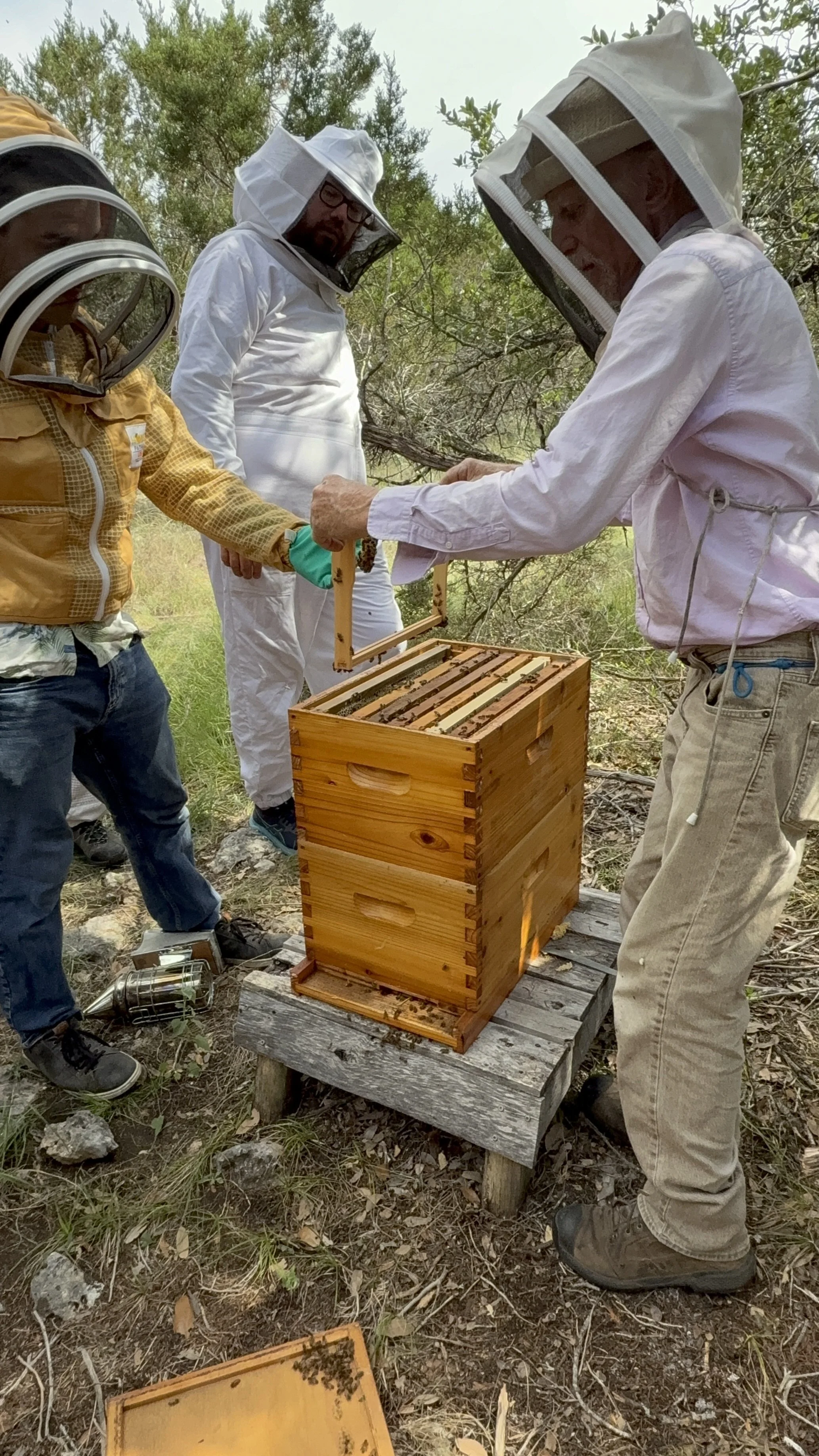
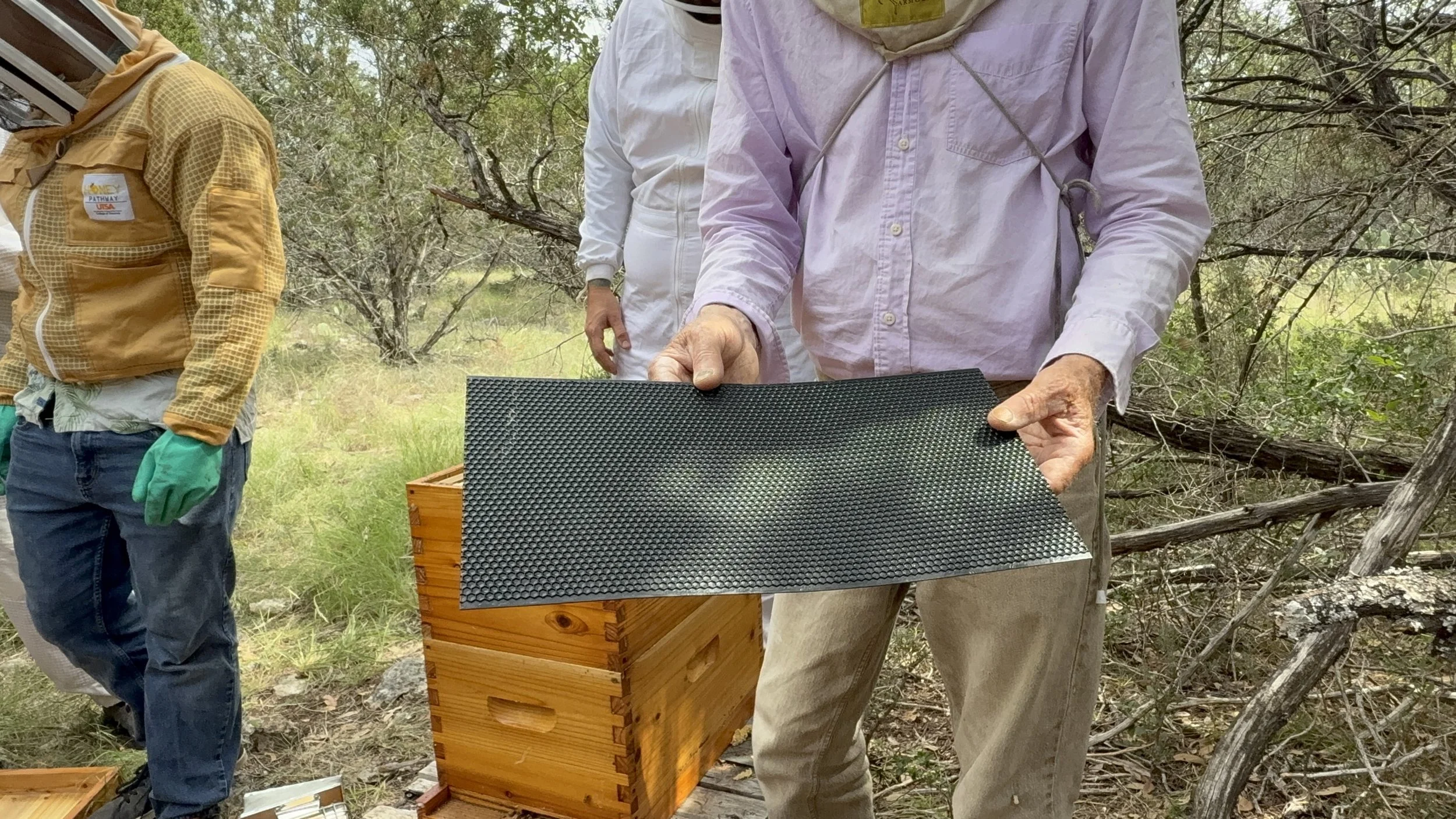
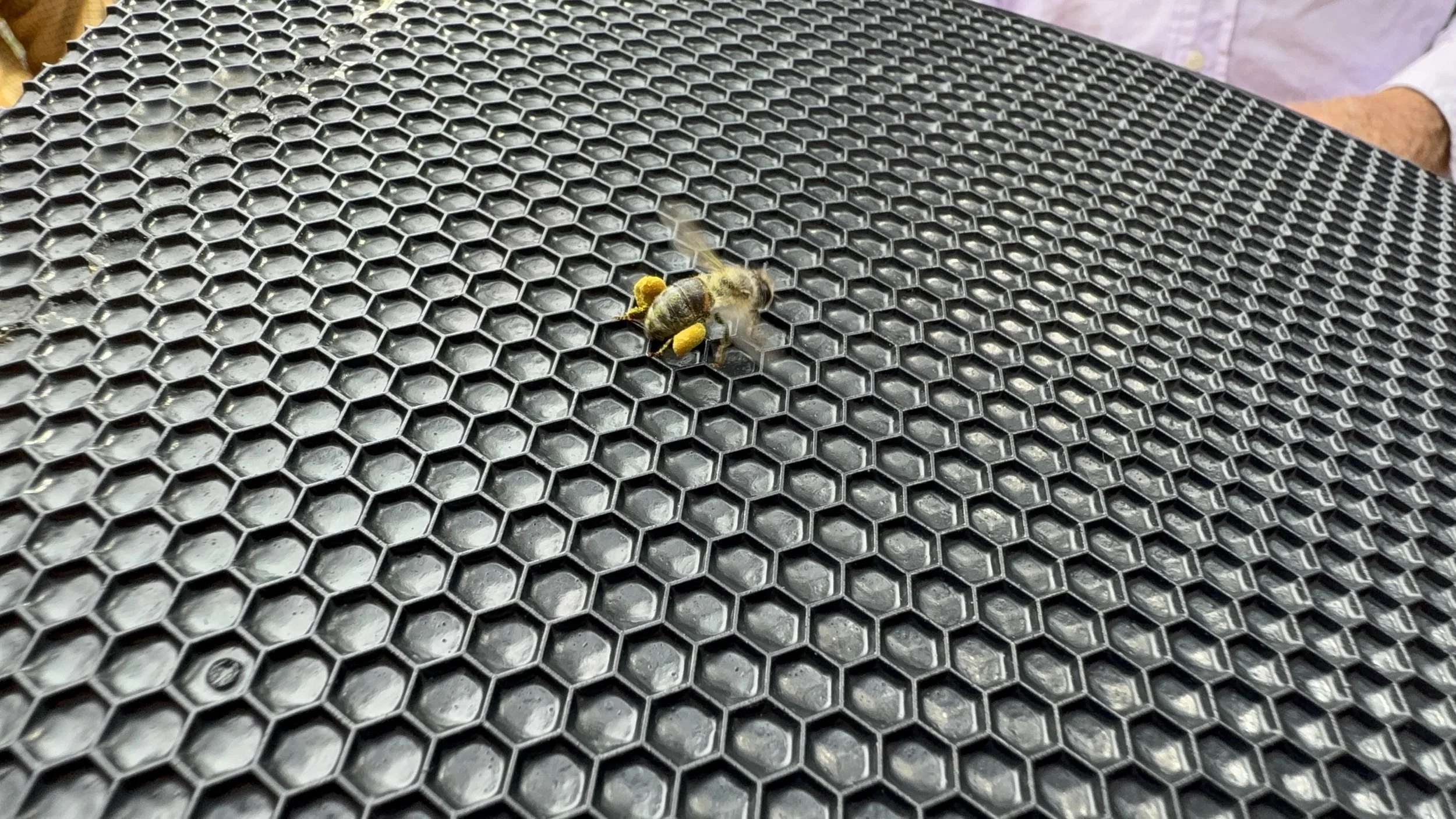
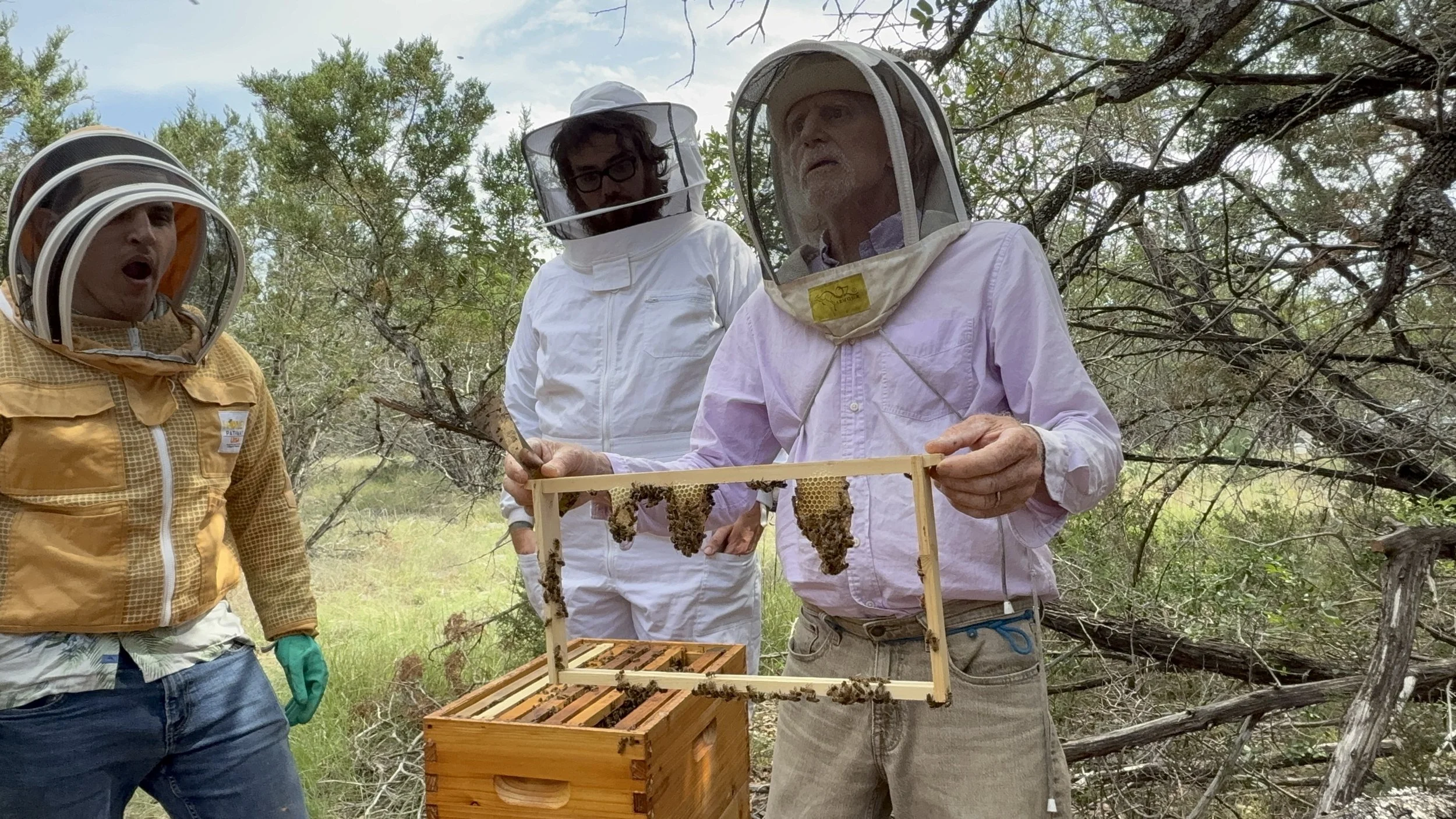
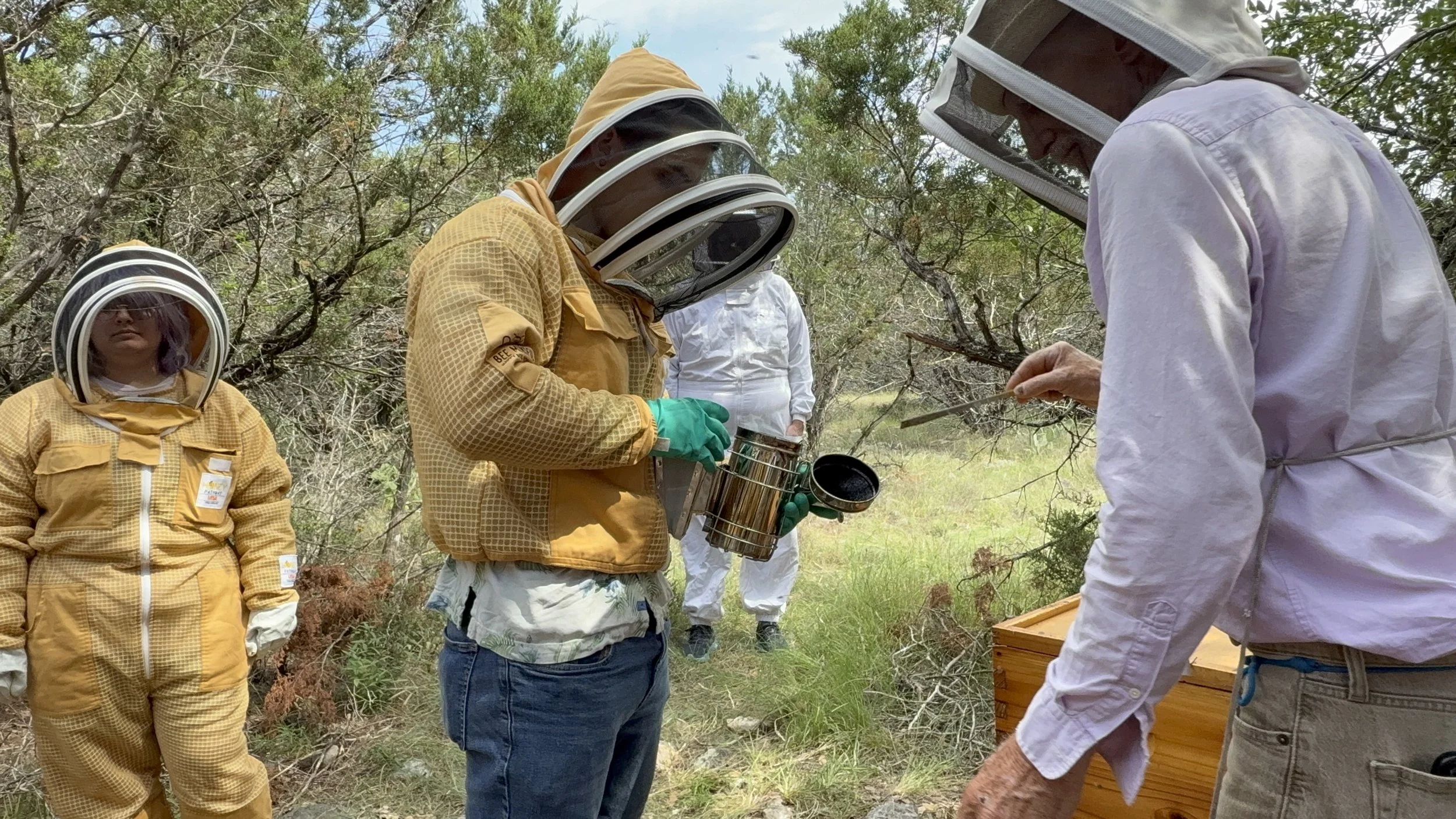
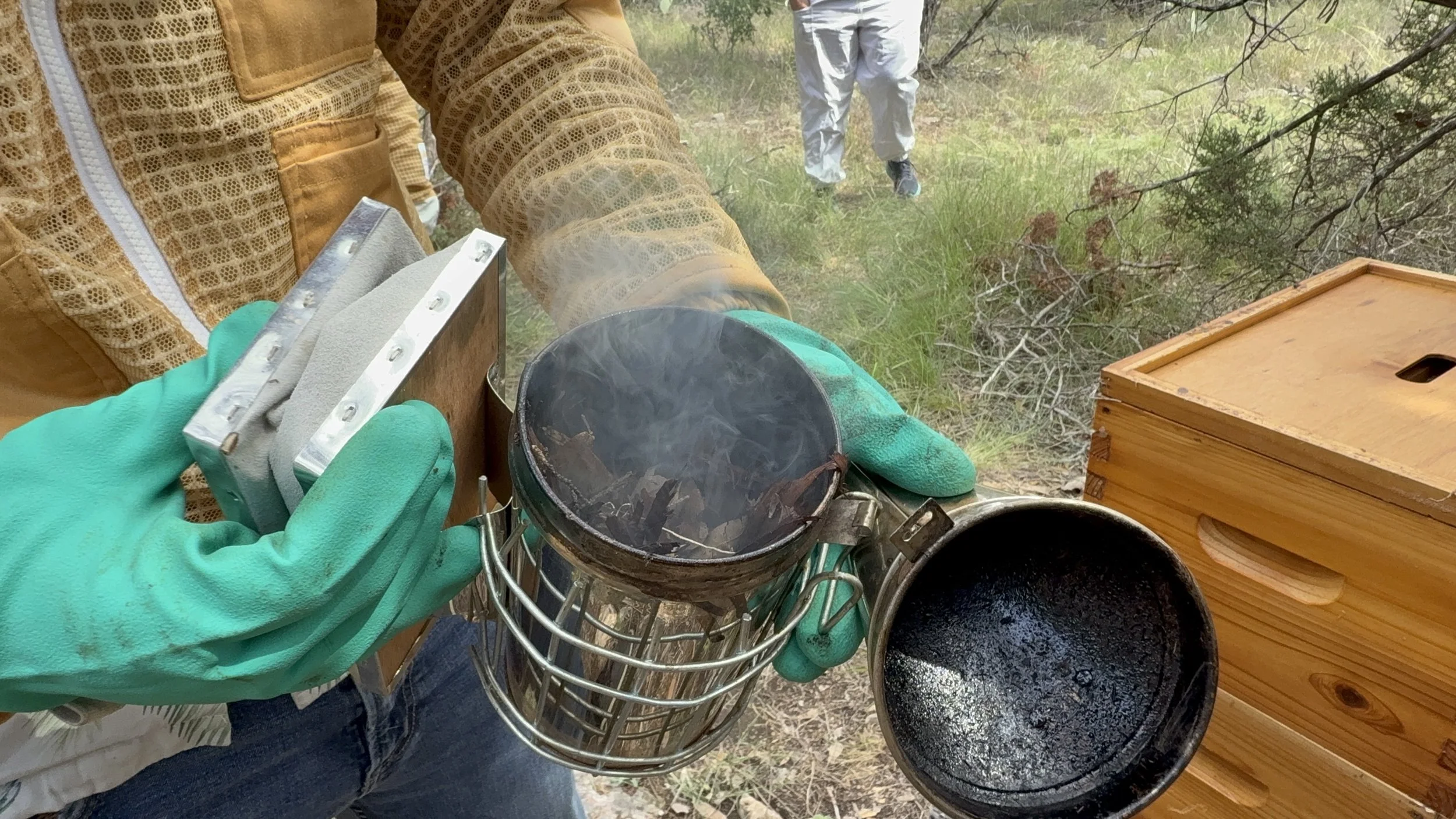

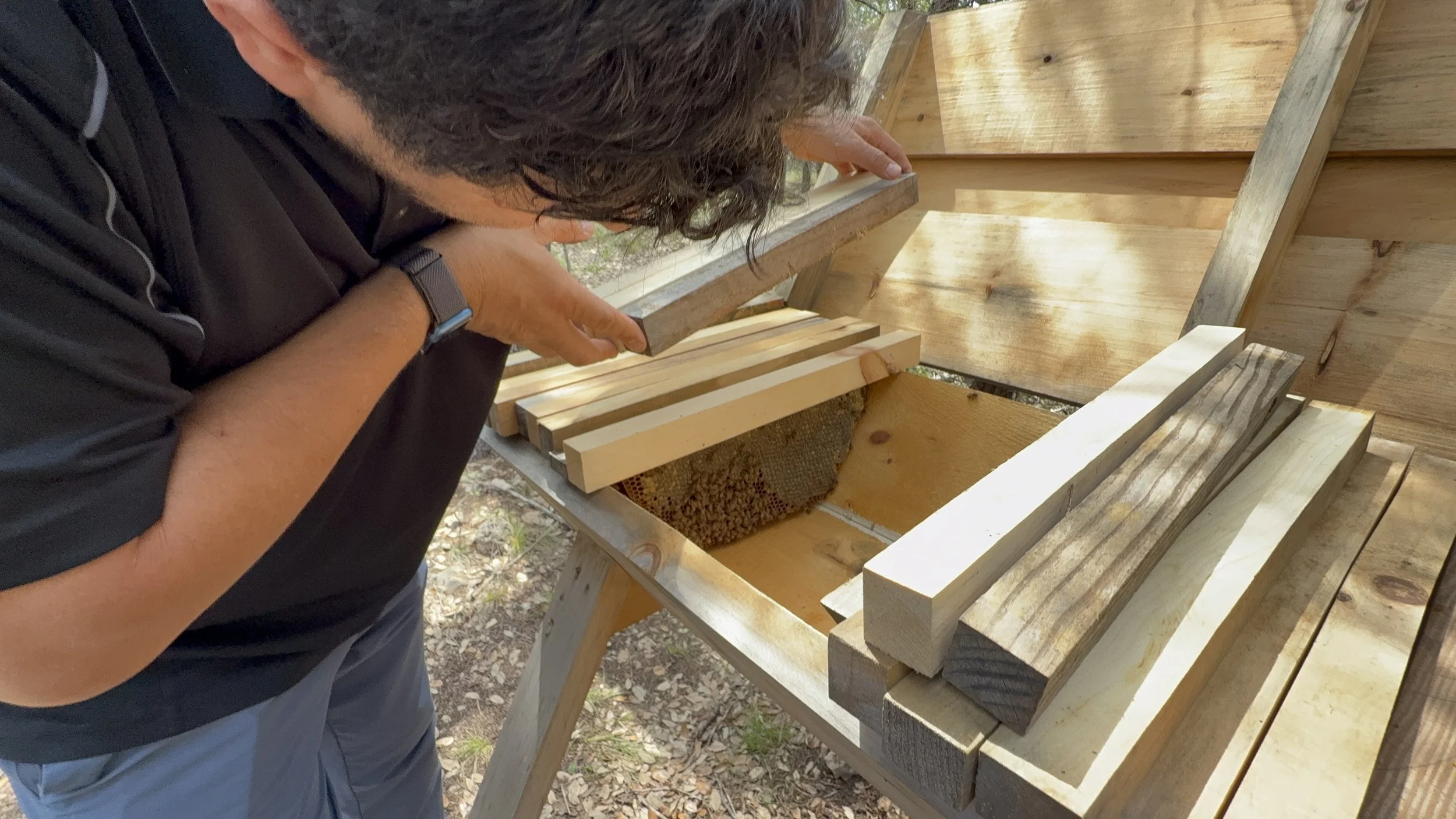

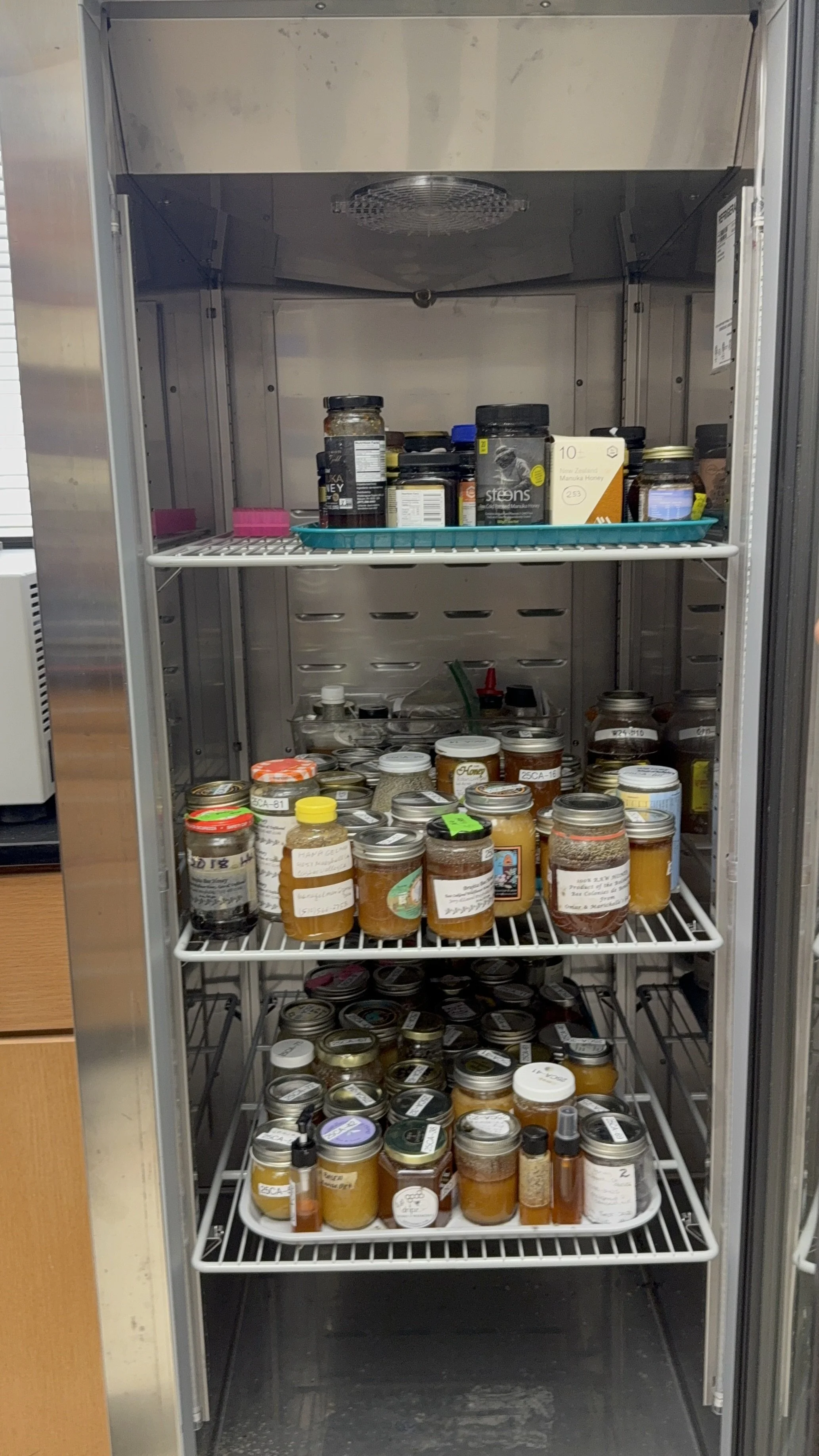
From Hive to Spoon: Honey, Sugars & Syrups and Why Quality Matters
Sweeteners vary widely in flavor, structure, and biological impact. The differences go far beyond “natural vs. refined” and begin with how the sweetener is produced, processed, and handled. Some sugars are simply empty calories; others carry enzymes, minerals, and bioactive compounds—if they’re treated gently.
This deeper dive explores:
How processing changes the nutritional value of sweeteners
The difference between raw and refined honey
What research shows about enzymes, antioxidants, and glycemic effects
Practical ways to choose higher-quality sweeteners
Let’s start with the foundation: how sweetness is made.
Processing Matters More Than Sweetness
All sugars provide energy, but how they’re processed determines whether anything beneficial remains.
Highly refined sugars and syrups:
Are stripped of minerals and enzymes
Cause rapid blood glucose spikes
Offer no protective compounds
Minimally processed sweeteners retain trace minerals, antioxidants, or enzymatic activity—though they should still be used sparingly.
Honey: A Living Food (When Raw)
Raw honey is more than sugar—it’s a biologically active substance produced from nectar, enzymes, pollen, and propolis.
Raw vs. Commercial Honey
Raw, unpasteurized honey:
Retains enzymes like glucose oxidase
Contains antioxidants and polyphenols
Exhibits antimicrobial activity
Reflects floral and regional diversity
Commercial honey is often:
Heated and ultra-filtered
Stripped of pollen and enzymes
Sometimes adulterated with syrups
Heating honey above ~40°C (104°F) significantly reduces enzymatic activity and antioxidant potential.
https://doi.org/10.1016/j.foodchem.2018.05.108
A global analysis has shown that honey adulteration is widespread, reducing both quality and biological value.
https://doi.org/10.1016/j.foodcont.2018.02.013
Local Honey & Pollen Diversity
Local, raw honey often contains small amounts of pollen from regional plants. While not a cure-all, this pollen diversity:
Reflects ecosystem health
Contributes trace micronutrients
Preserves honey’s natural complexity
Pollen content is also one of the markers used to identify authentic honey.
Maple Syrup & Traditional Syrups
Pure maple syrup and other traditional tree-based syrups differ significantly from refined sugar.
Real maple syrup:
Contains manganese, zinc, and antioxidants
Has a lower glycemic response than refined sugar
Retains phenolic compounds formed during sap concentration
A review identified over 60 bioactive compounds in maple syrup with antioxidant and anti-inflammatory properties.
https://doi.org/10.1016/j.foodchem.2014.10.124
Avoid “pancake syrups,” which are typically corn syrup with flavoring and coloring.
Sugars: Refined vs. Less-Refined
Refined Sugars
White sugar, corn syrup, high-fructose corn syrup
Rapidly absorbed
Nutrient-devoid
Less-Refined Options
Coconut sugar
Date sugar
Unrefined cane sugar
These retain small amounts of minerals but are still sugars—and should be treated as such.
Glycemic Impact: Quality Still Matters
Even natural sweeteners raise blood sugar. However:
Matrix matters (enzymes, minerals, viscosity)
Raw honey and maple syrup tend to produce a slower glucose rise than refined sugar
Portion size remains the dominant factor
Studies suggest that raw honey has a lower glycemic impact and different metabolic effects compared with refined sugars.
https://doi.org/10.1111/j.1745-4514.2009.00225.x
Putting This Science Into Practice
When choosing sweeteners:
✔ Choose raw, unpasteurized honey from local beekeepers
✔ Look for darker honeys—often higher in antioxidants
✔ Use pure maple syrup or traditional syrups only
✔ Avoid syrups without a clear source or ingredient list
✔ Store honey at room temperature, sealed, away from heat
✔ Never heat raw honey above 104°F (40°C)
Summary: Sweeteners Carry a Story
Honey, sugars, and syrups are not nutritionally equal. Raw, minimally processed sweeteners retain enzymes, antioxidants, and trace minerals that refined sugars lack—but they remain sugars nonetheless. Choosing quality sources, respecting processing, and using sweeteners intentionally allows sweetness to be enjoyed without disconnecting it from health or ecology.