Beef
Choose 100% grass-fed, grass-finished beef. Quality feed = healthier fat and nutrient profiles.
The difference between feedlot and pasture-raised beef is dramatic — not just in flavor but in nutrient density. Grass-fed and grass-finished beef tends to be higher in omega-3s, CLA, and antioxidants. Factory-farmed beef may contain antibiotics and lower-quality nutrients and fat profiles.
💡Look for labels like “100% grass-fed” or “pasture-raised.” Thaw slowly in the fridge, and allow the meat to come to room temperature before cooking. Rest after cooking for juicy, flavorful results.
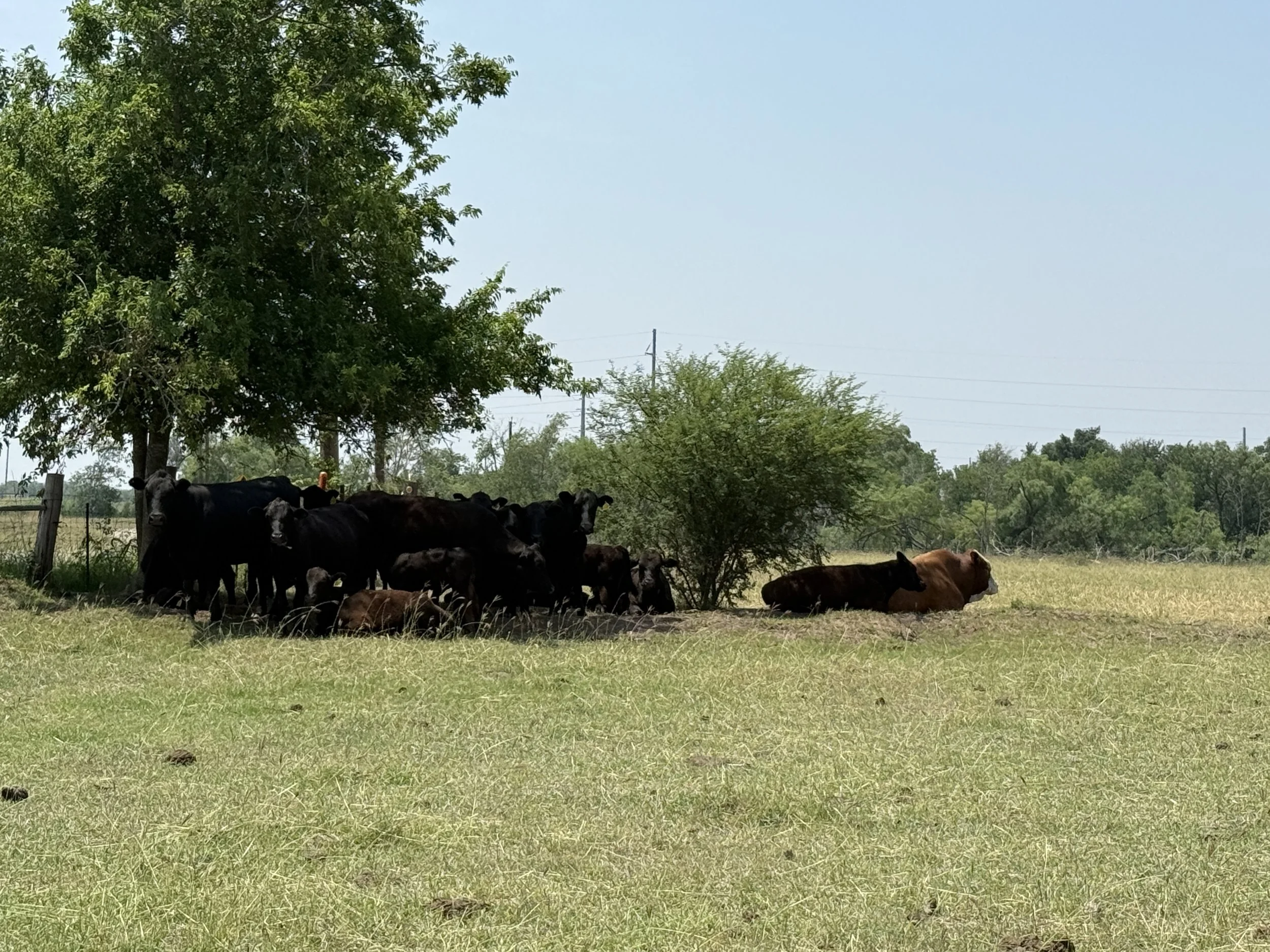
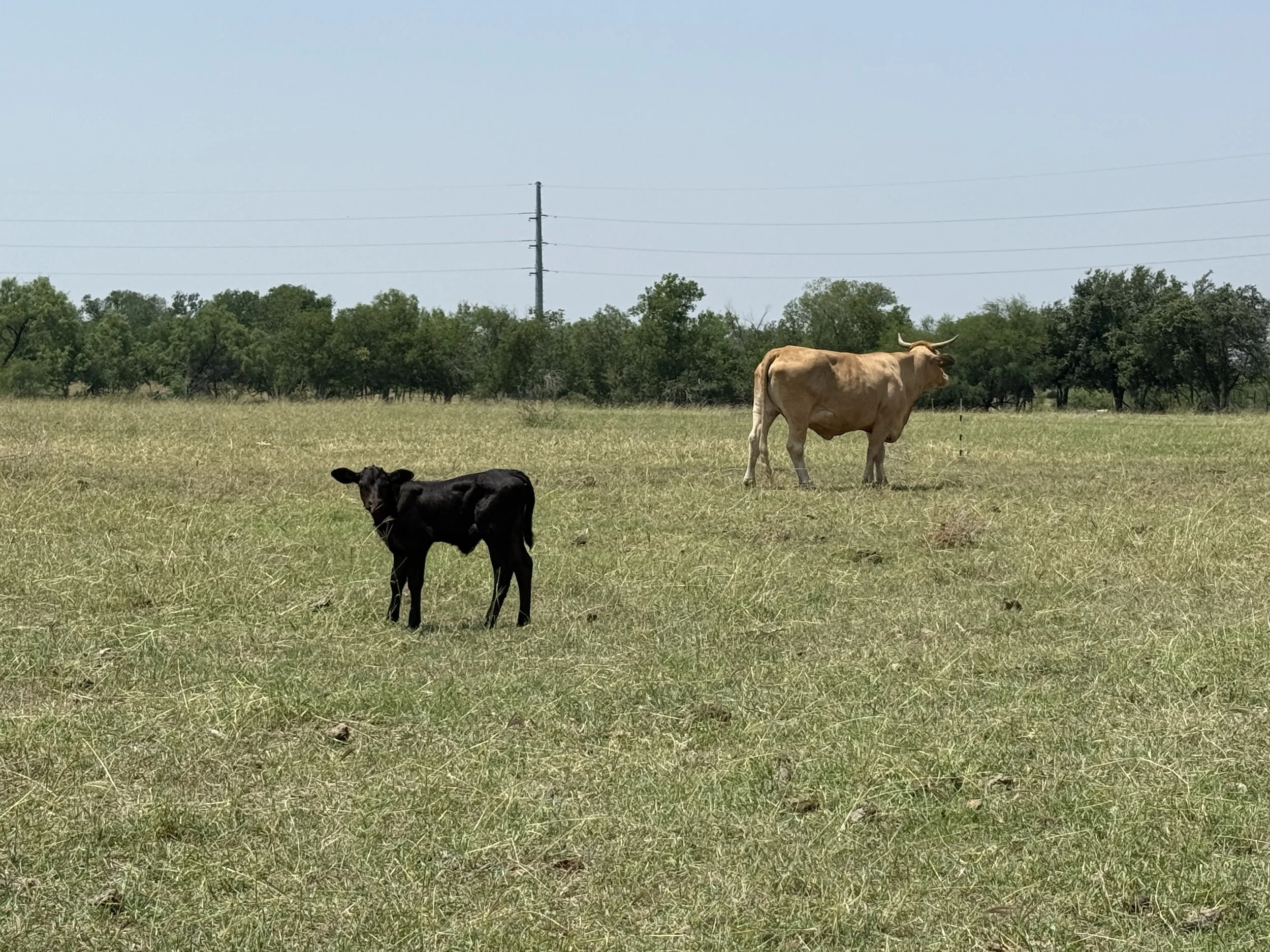
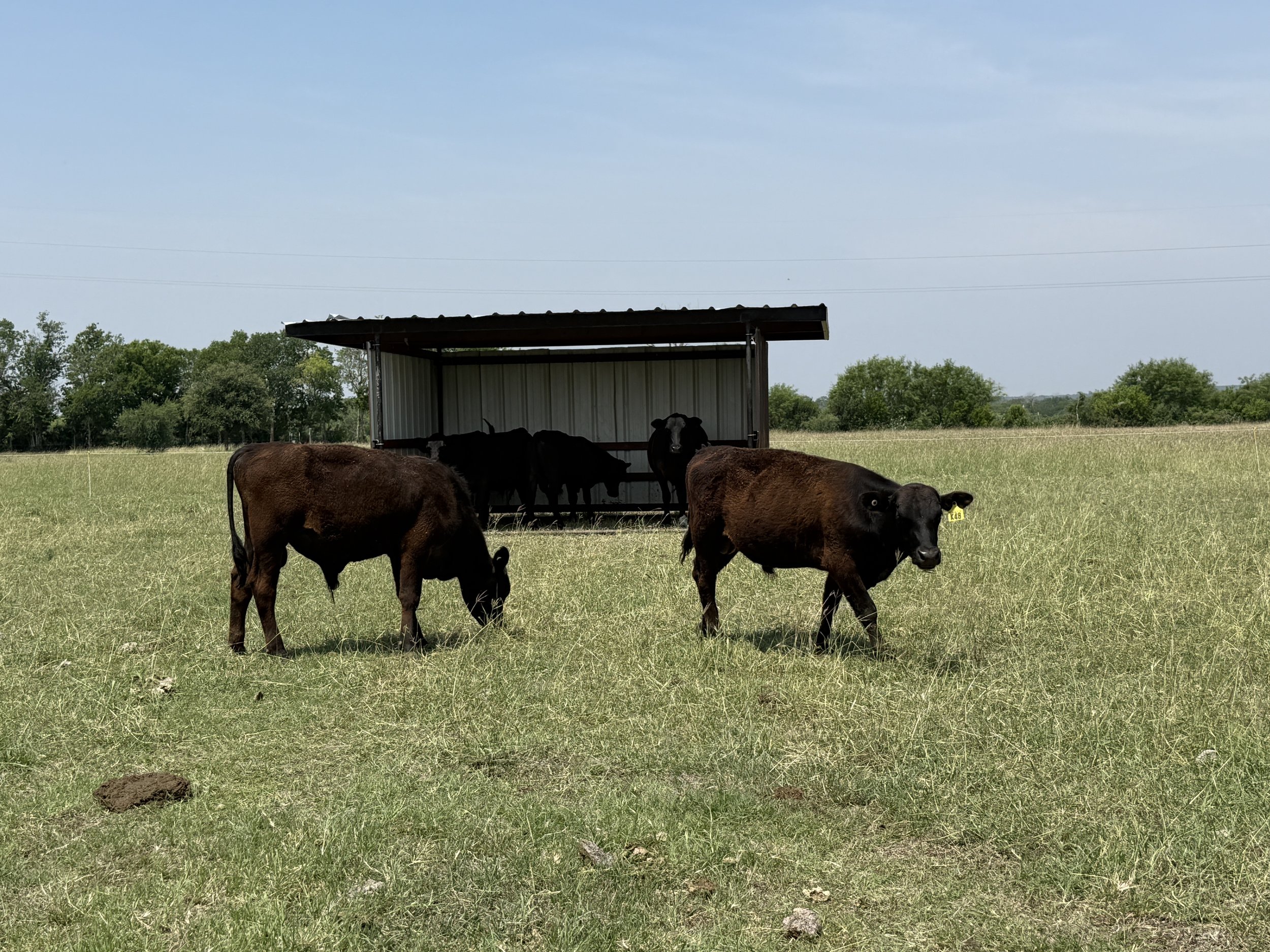
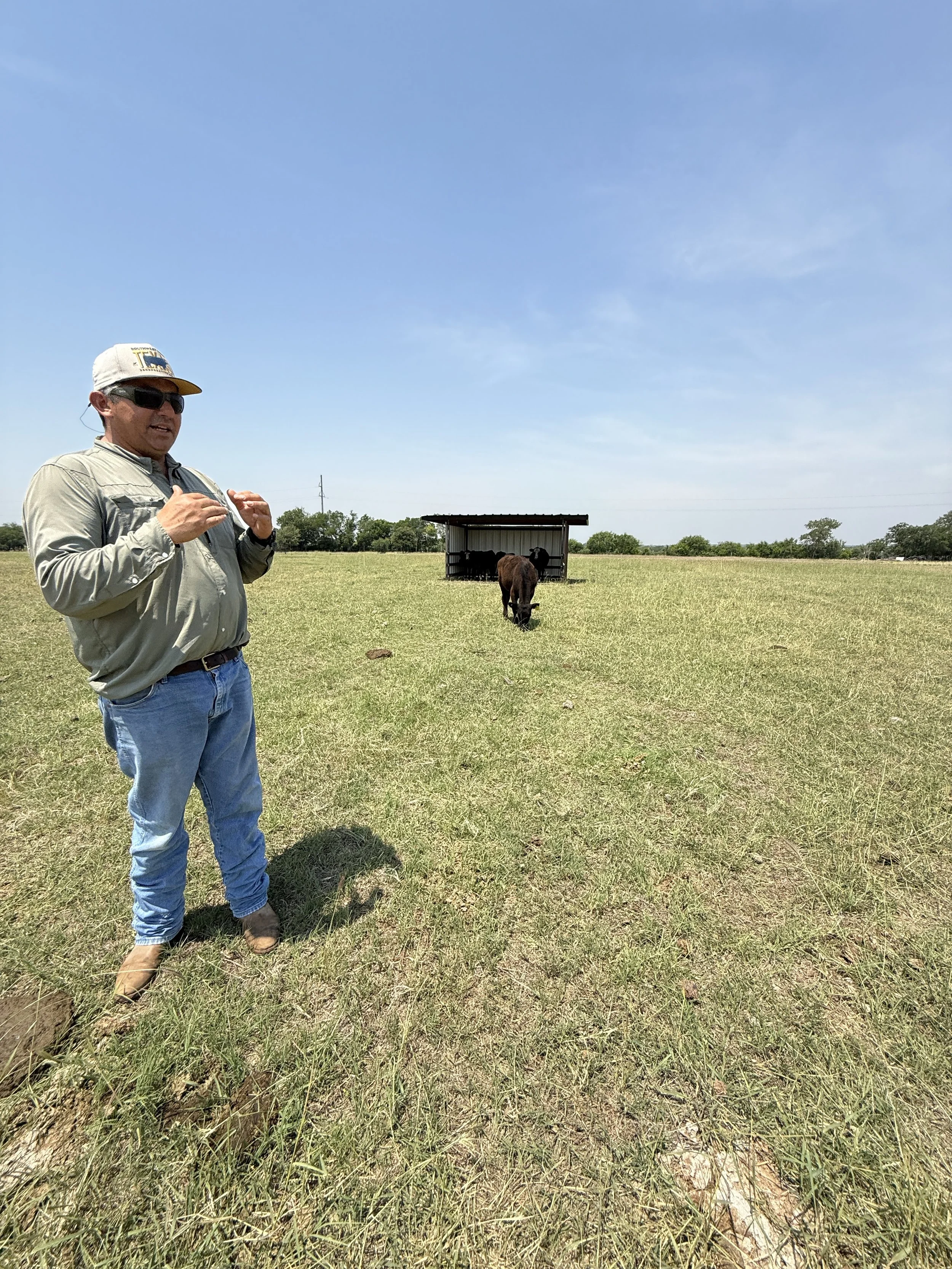
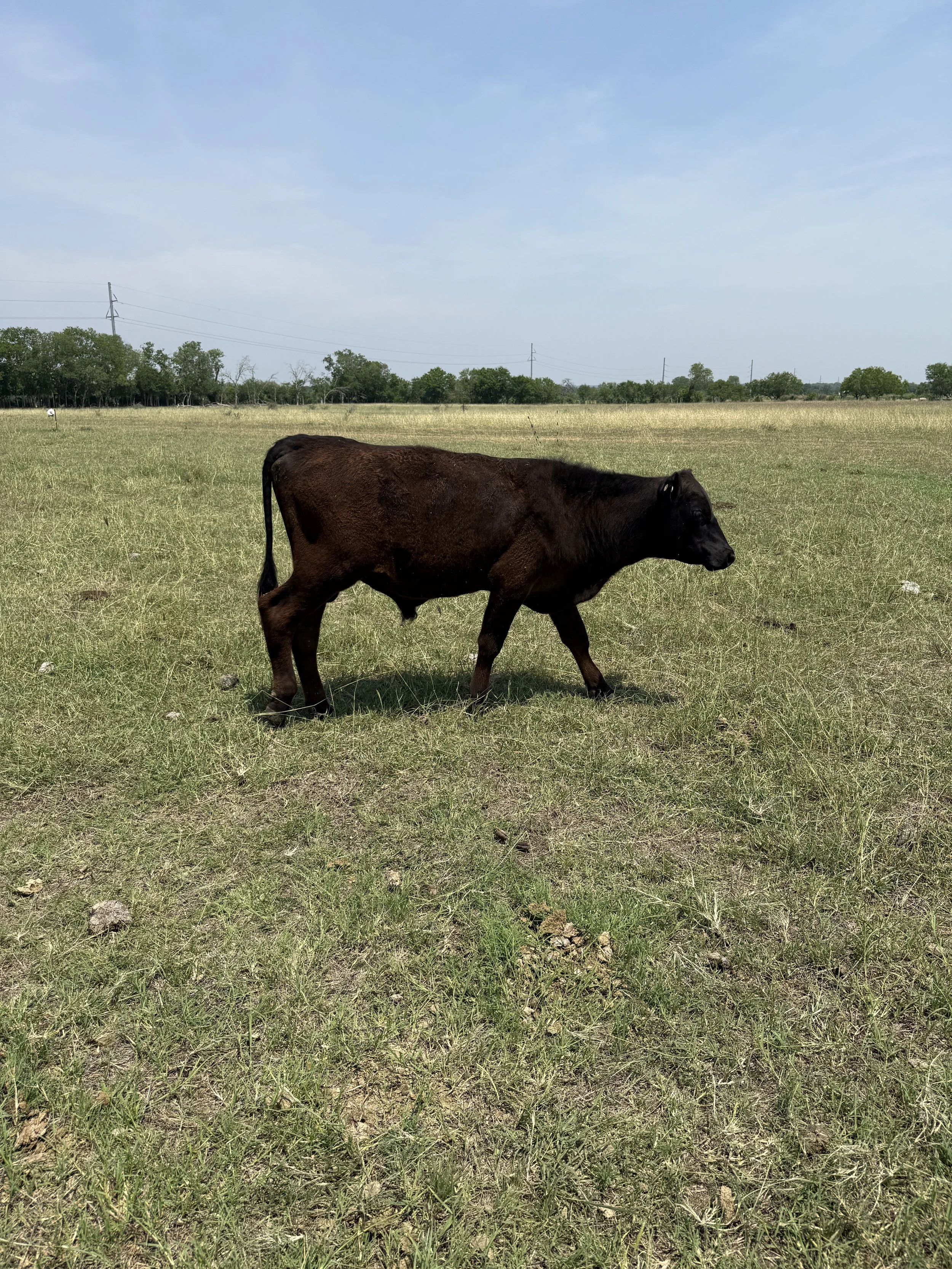
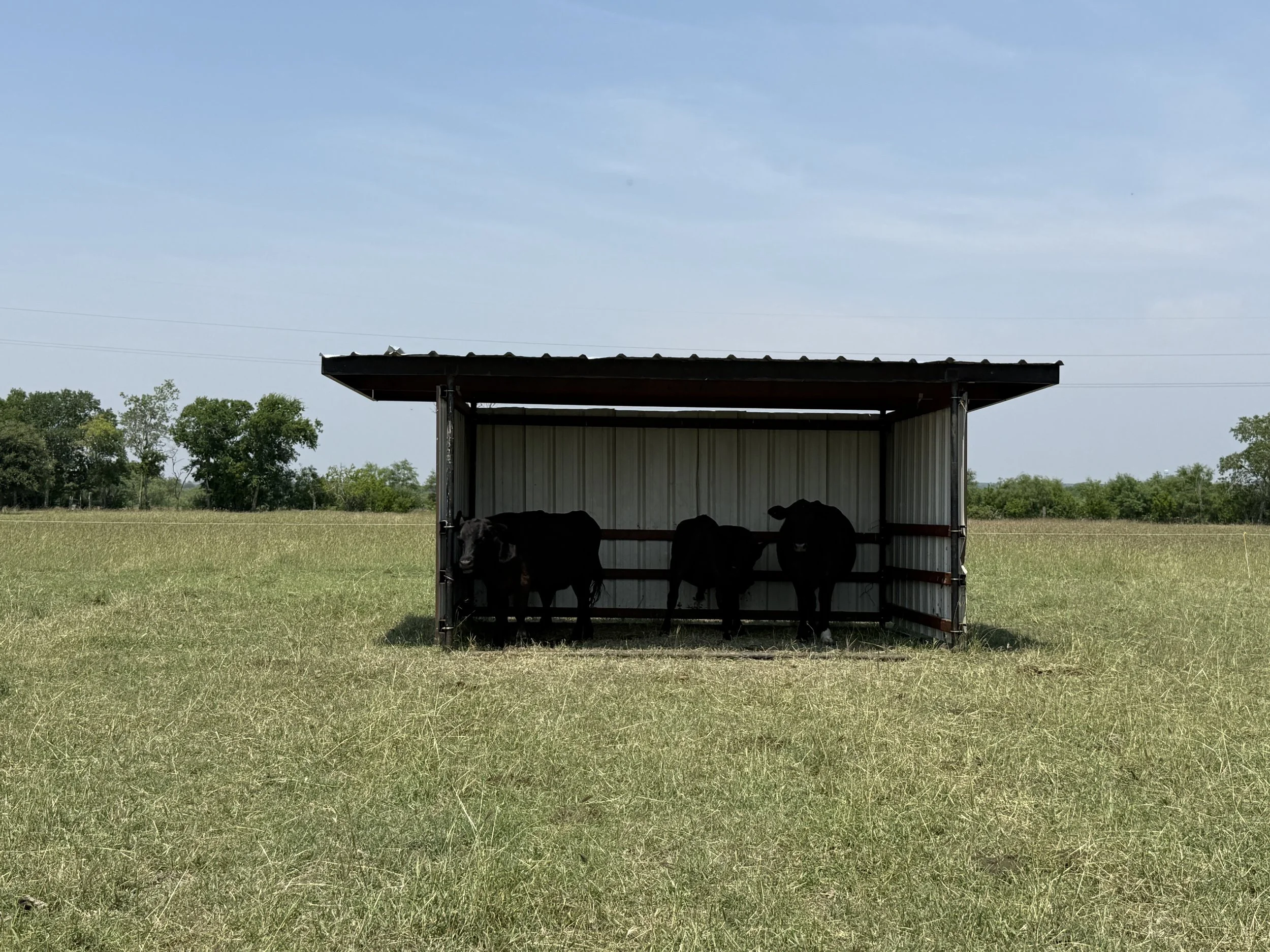
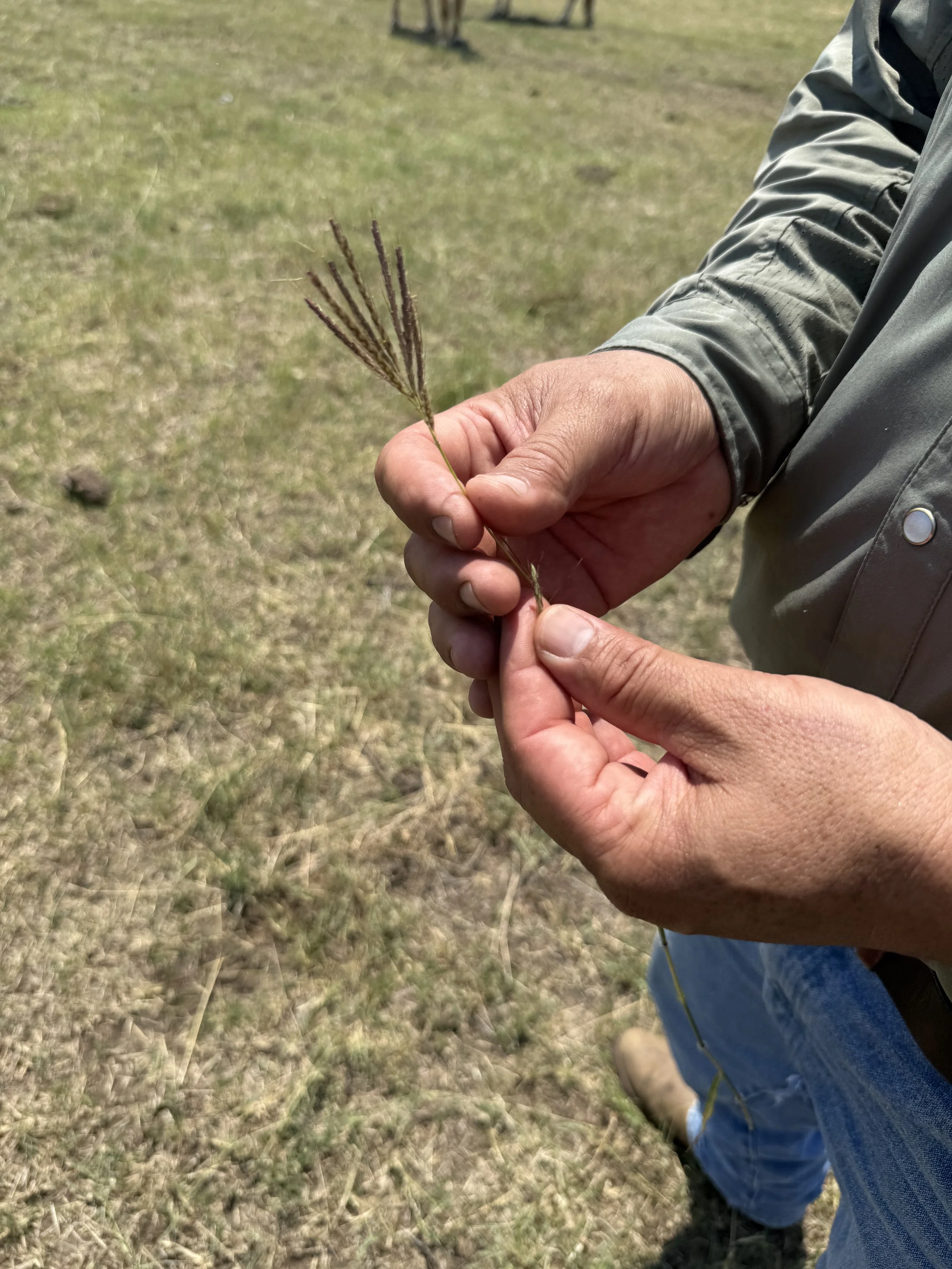
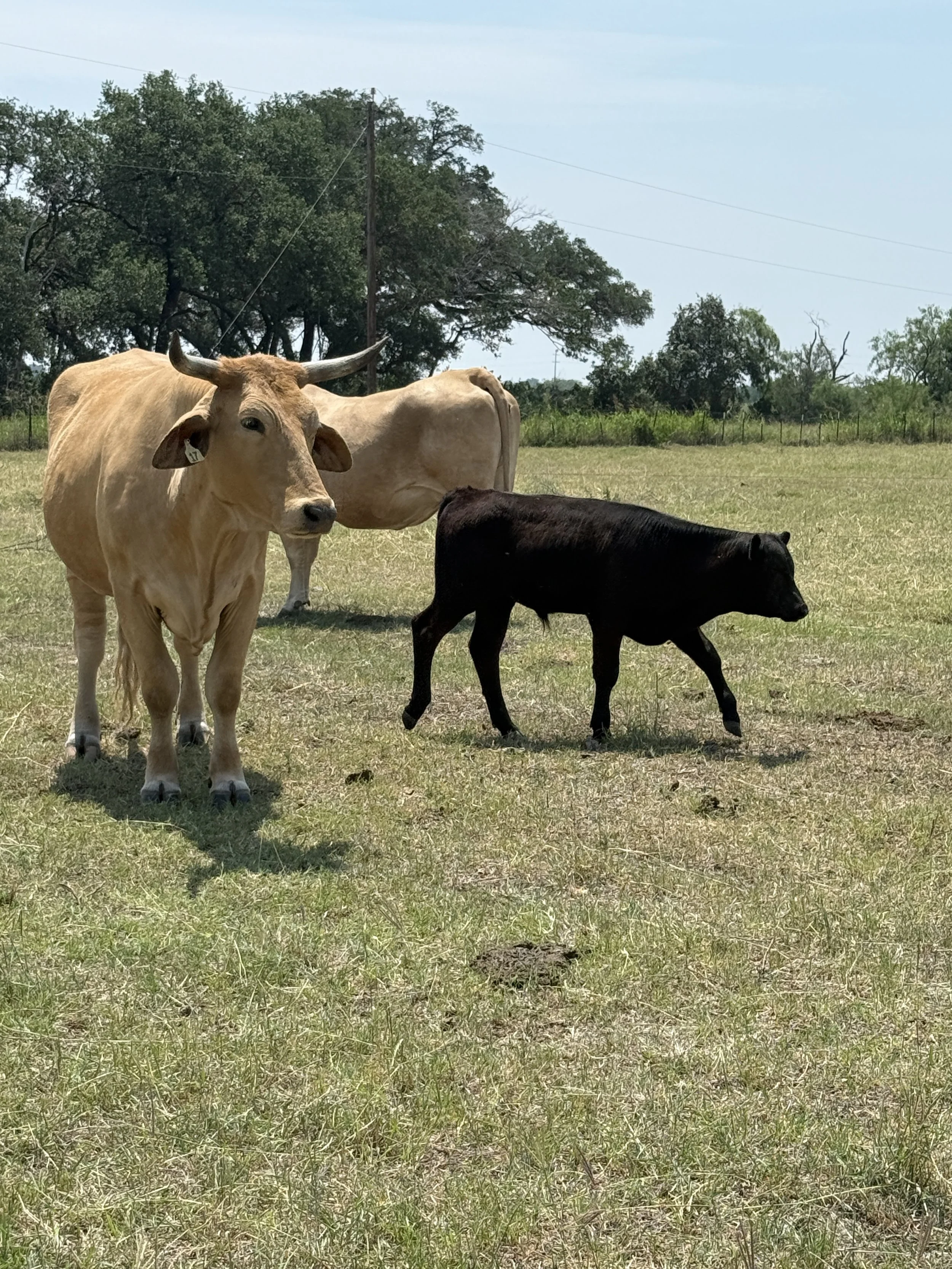
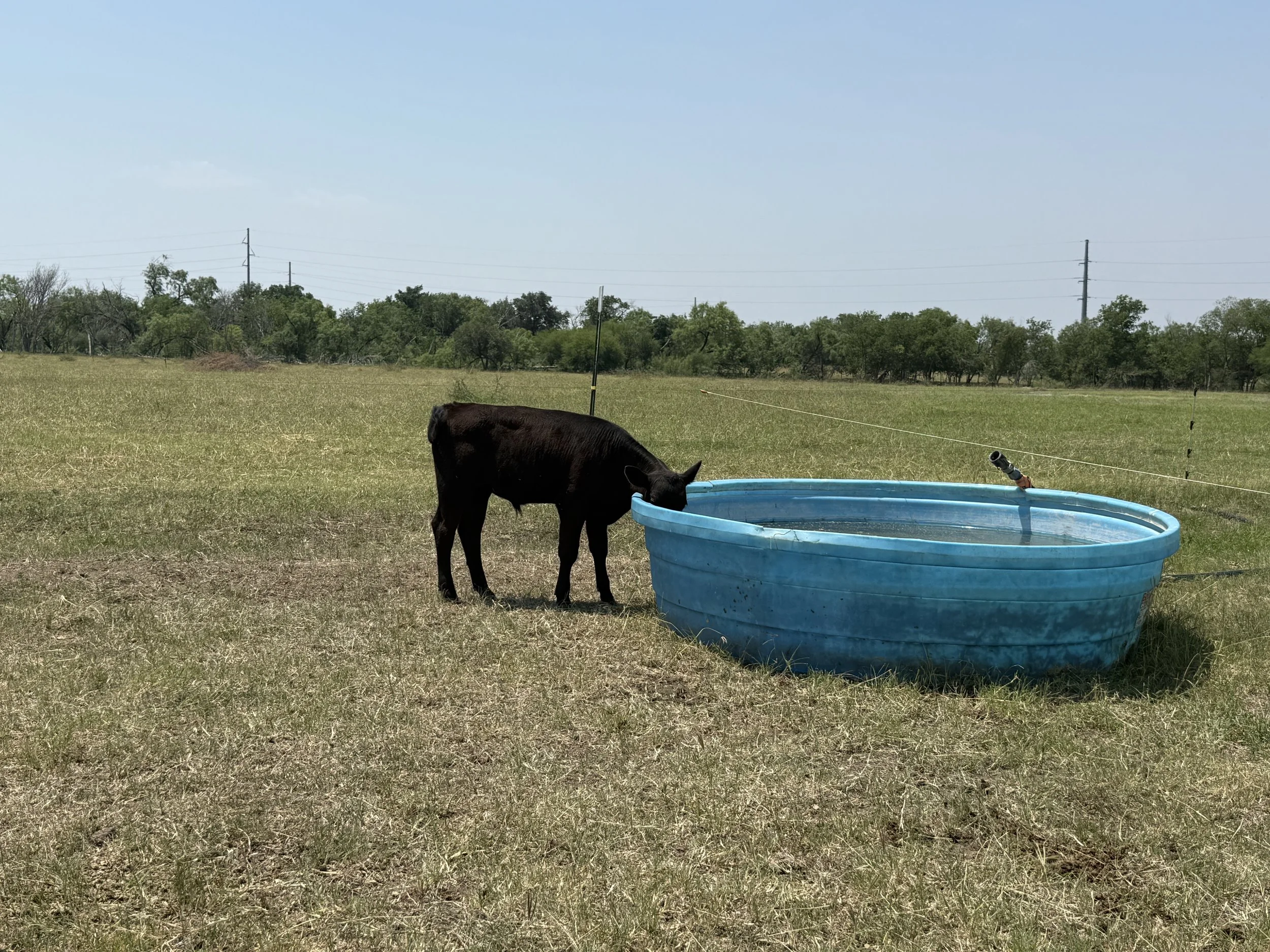
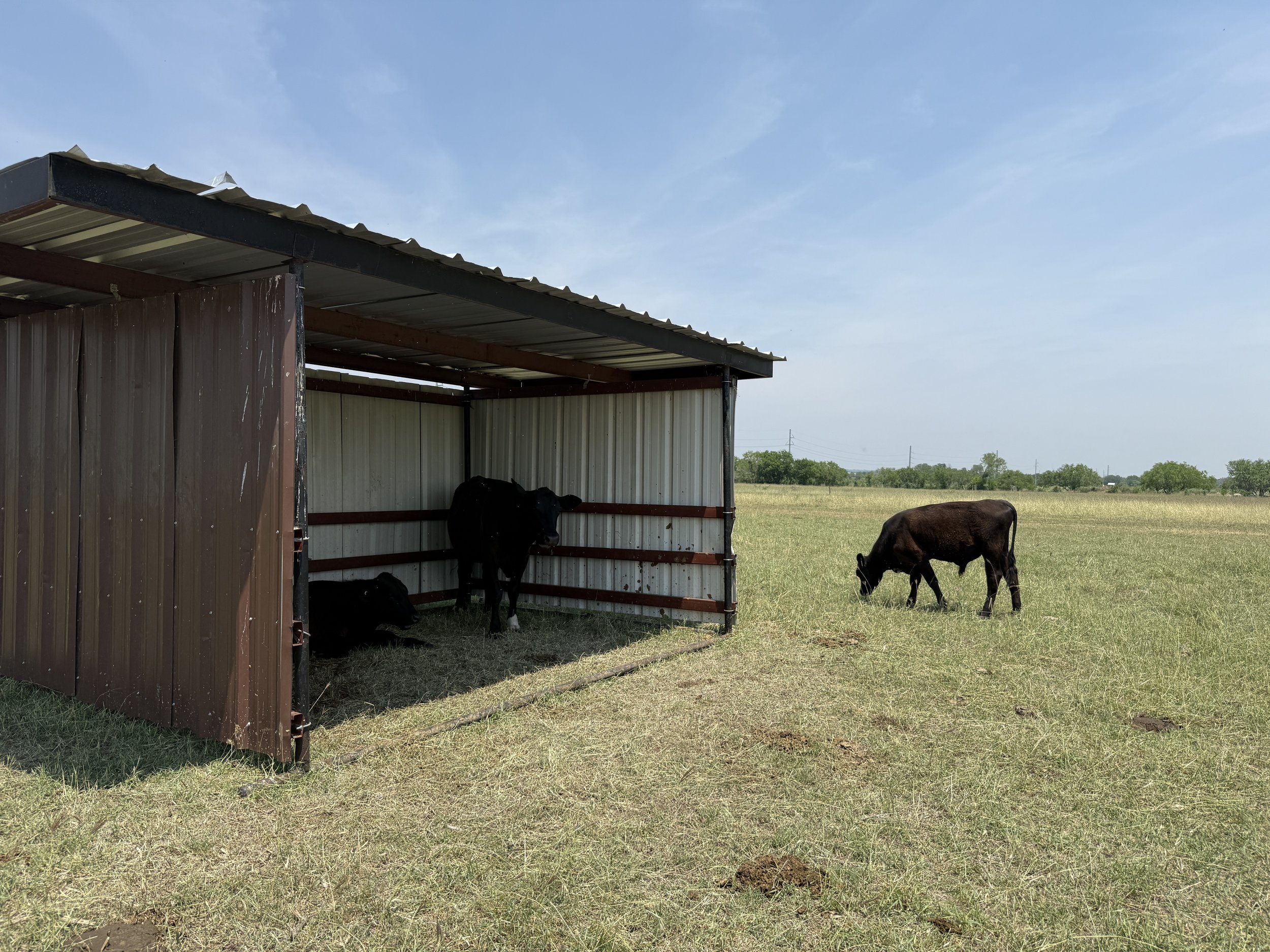
From Grass to Table: Beef and Why Quality Matters
Beef differs dramatically in flavor, texture, and nutritional profile depending on how cattle are raised. These differences begin long before harvest—rooted in what cattle eat, how they move across the land, and the health of the soil that supports their forage.
This deeper dive explores:
How pasture and soil health influence beef nutrition
Differences between conventional, grass-fed, and regenerative systems
What research shows about fats, micronutrients, and antioxidants
Practical ways to choose higher-quality beef
Let’s start at the foundation: grass and soil.
Pasture & Soil Health: The Base of Nutrient-Dense Beef
Cattle are ruminants evolved to convert grasses and forage plants into nutrient-dense food. When pastures are rooted in biologically active soil, plants contain a broader spectrum of minerals and phytochemicals that move up the food chain.
Healthy grazing land typically shows:
High soil organic matter and carbon storage
Diverse forage species with deep root systems
Active microbial and fungal networks
Improved water infiltration and nutrient cycling
Regenerative grazing intentionally builds these soil properties through managed movement of cattle, long rest periods for plants, and avoidance of continuous overgrazing.
Conventional vs. Grass-Fed Beef: Nutritional Differences
Most conventional beef is finished in feedlots on corn- and soy-based diets. While this accelerates growth, it alters fat metabolism and nutrient composition.
Research consistently demonstrates that grass-fed, grass-finished beef contains:
Higher omega-3 fatty acids
Lower omega-6 fatty acids
Increased conjugated linoleic acid (CLA)
Greater antioxidant levels, including vitamin E
A review comparing grass-fed and grain-fed beef confirmed significant differences in fatty acid composition and antioxidant content.
https://doi.org/10.1017/S175173111200090X
Regenerative Grazing: Beyond “Grass-Fed”
Grass-fed alone does not guarantee healthy land or optimal nutrition. Regenerative grazing focuses on how cattle interact with pasture.
Key practices include:
Adaptive or rotational grazing
Maintaining plant cover year-round
Increasing pasture plant diversity
Returning nutrients to the soil via manure
A paired-farm study comparing regenerative and conventional grazing systems found that regenerative beef had a more favorable omega-3 profile and was associated with healthier soil metrics.
PMID: 35127297
These findings suggest that soil and pasture quality—not just the absence of grain—shape meat composition.
Fat Quality & Human Health
The fat profile of beef plays a major role in its health impact.
Grass-fed and regeneratively raised beef typically offers:
Improved omega-6 to omega-3 ratios
Higher CLA, linked to metabolic and cardiovascular benefits
Greater fat-soluble antioxidant content
These benefits stem directly from forage diversity and soil health, reinforcing the soil–plant–animal connection.
Labels & What They Actually Mean
Common beef labels can be misleading:
100% grass-fed / grass-finished: No grain throughout life
Pasture-raised: Indicates outdoor access but may still include grain finishing
Organic: Organic feed and restricted antibiotics; grass finishing not guaranteed
Transparency from producers remains the most reliable indicator of quality.
Putting This Science Into Practice
When sourcing beef:
✔ Choose 100% grass-fed, grass-finished beef when possible
✔ Ask farmers about grazing rotations and pasture diversity
✔ Select appropriate cuts and cook gently—grass-fed beef is leaner
✔ Thaw slowly and rest meat after cooking to preserve moisture
Summary: Beef Reflects the Land
Beef is an expression of the ecosystem it comes from. Soil health influences pasture quality, which shapes fatty acid composition, micronutrient content, and flavor in meat. Regenerative grazing systems consistently improve soil health and are associated with more favorable nutritional profiles in beef. While labels can help guide choices, true quality depends on how cattle, plants, and soil are managed together—linking human health directly to the health of the land.