Tea
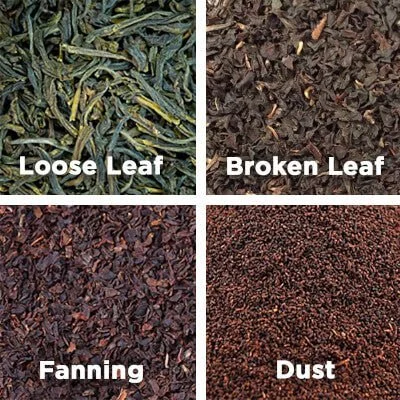
Tea is delicate, nuanced, and deeply affected by how it’s grown and processed. Mass-produced tea bags often contain low-grade “dust” or even plastic. Whole-leaf, organic teas retain more of their polyphenols and terroir-driven flavor.
💡Store tea away from light, moisture, and strong odors. Use the right steeping temperature — green tea prefers 160–180°F, while oolong and black can handle higher. Green teas should be consumed within 6-12 months , black teas within 1-2 years while some white teas age well. After this, the tea doesn’t become dangerous but loses flavor, aroma and potency (including antioxidants).
Choose whole, loose-leaf, organic tea. Steep at the right temp, and store away from light and moisture.

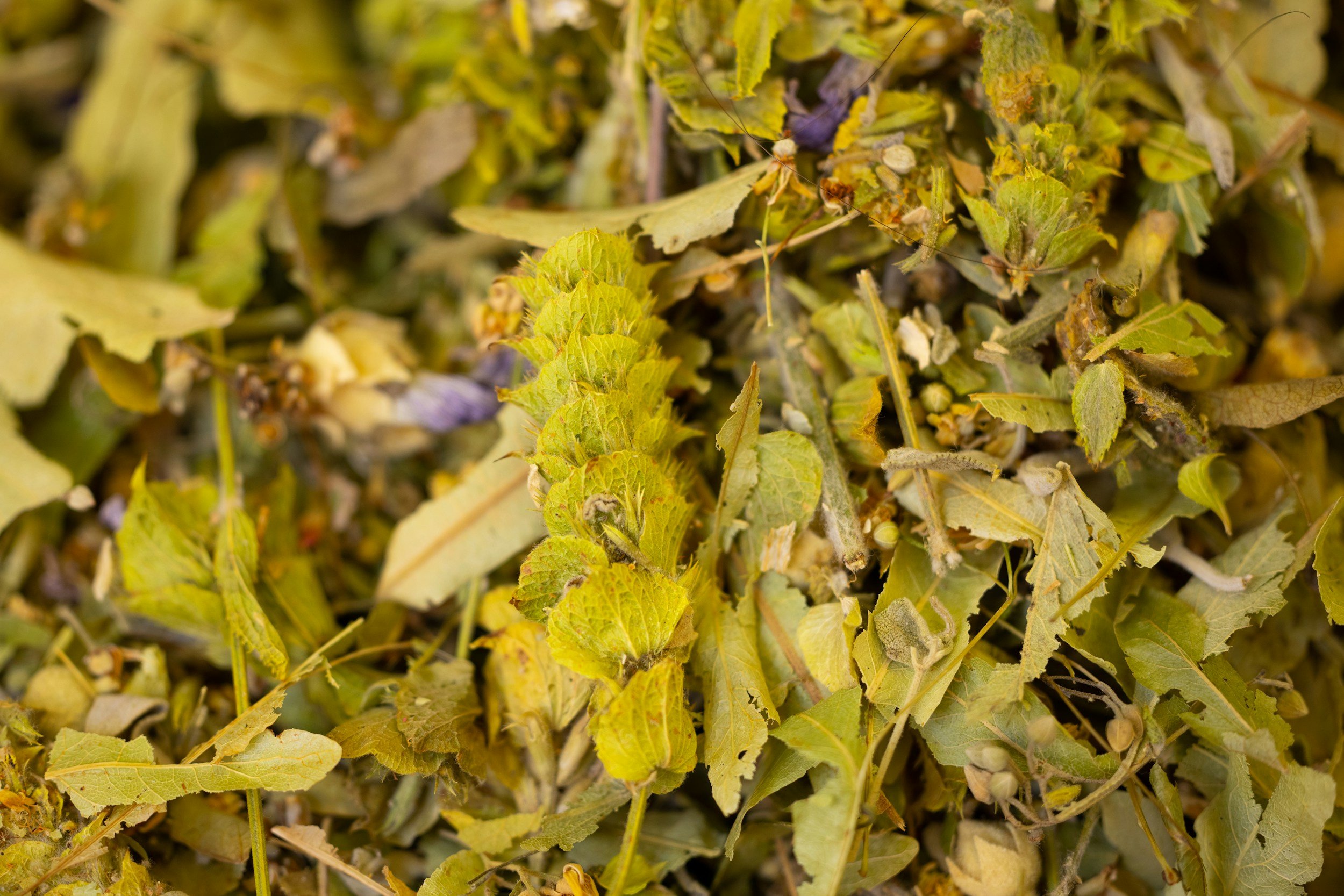
From Leaf to Cup: Tea and Why Quality Matters
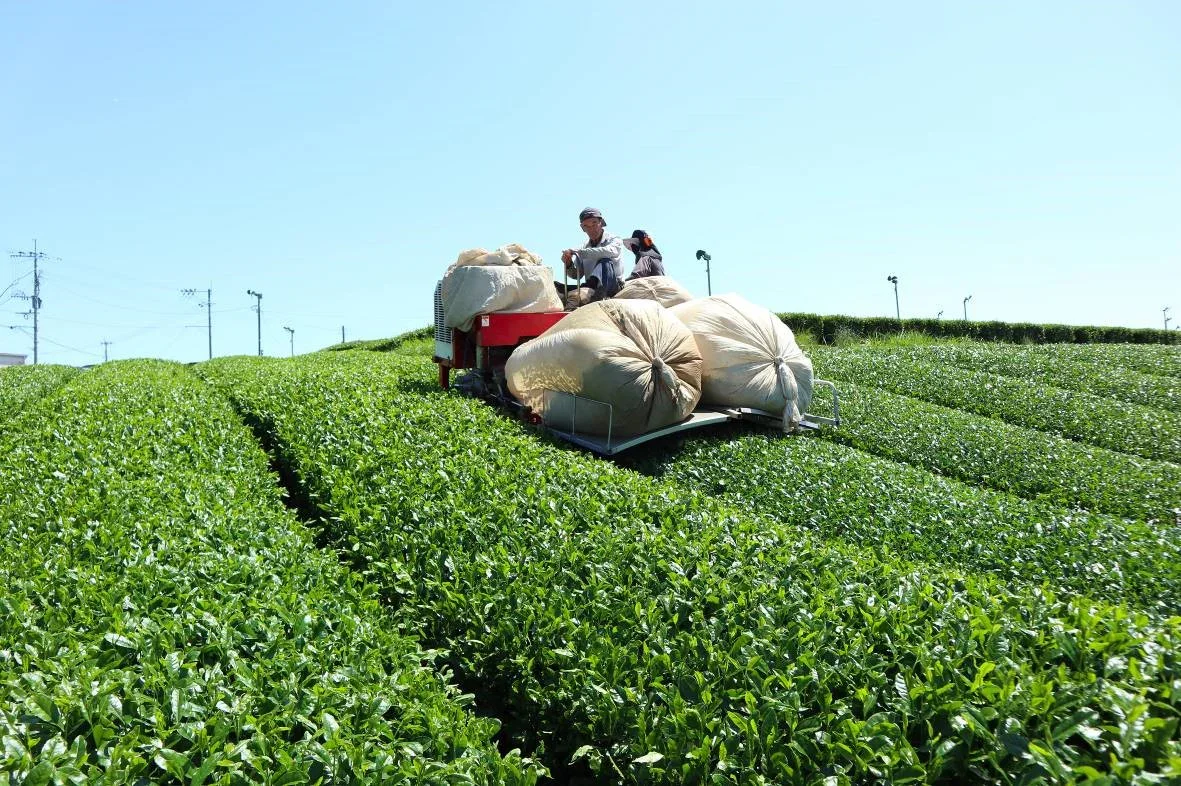
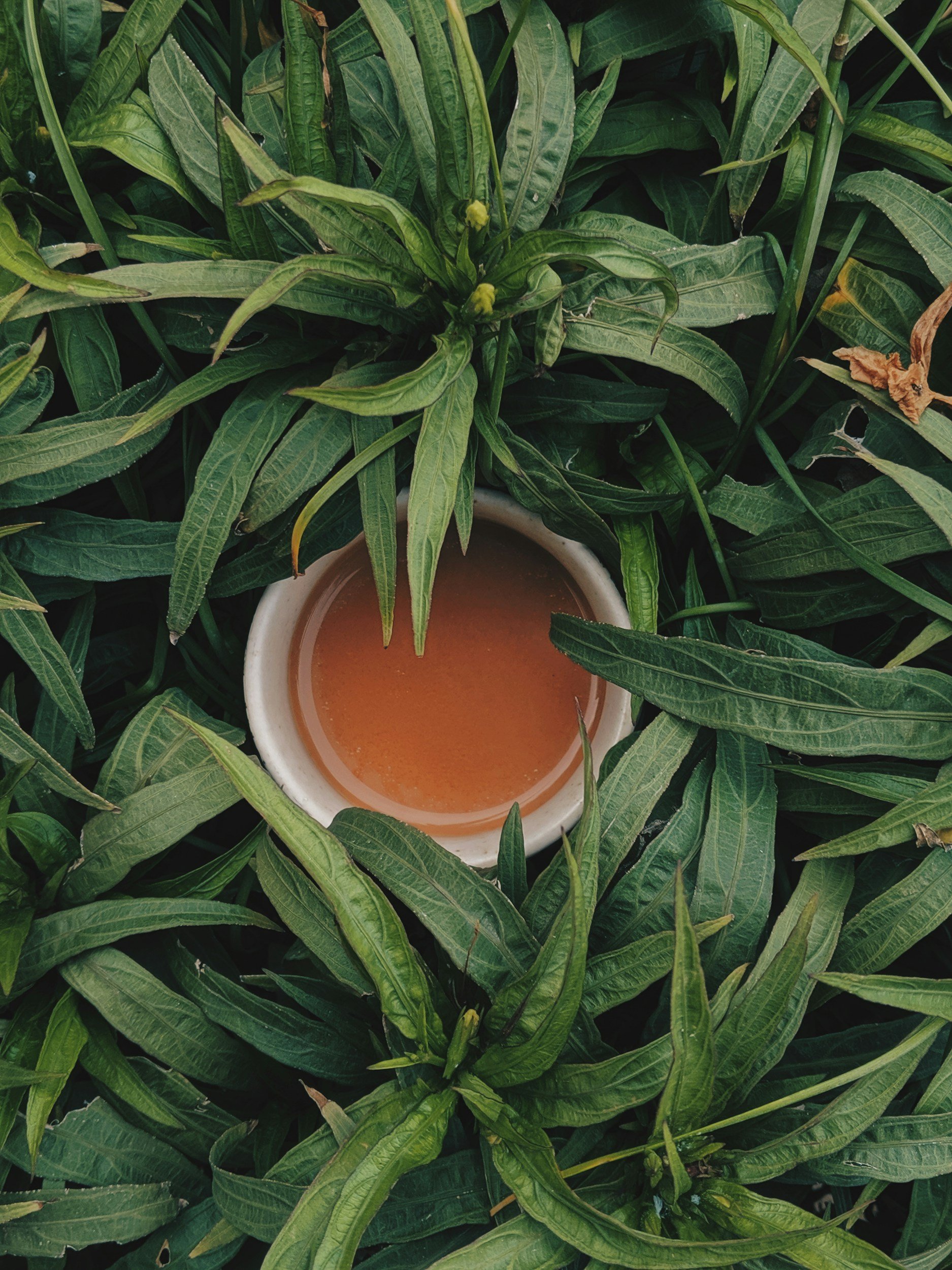
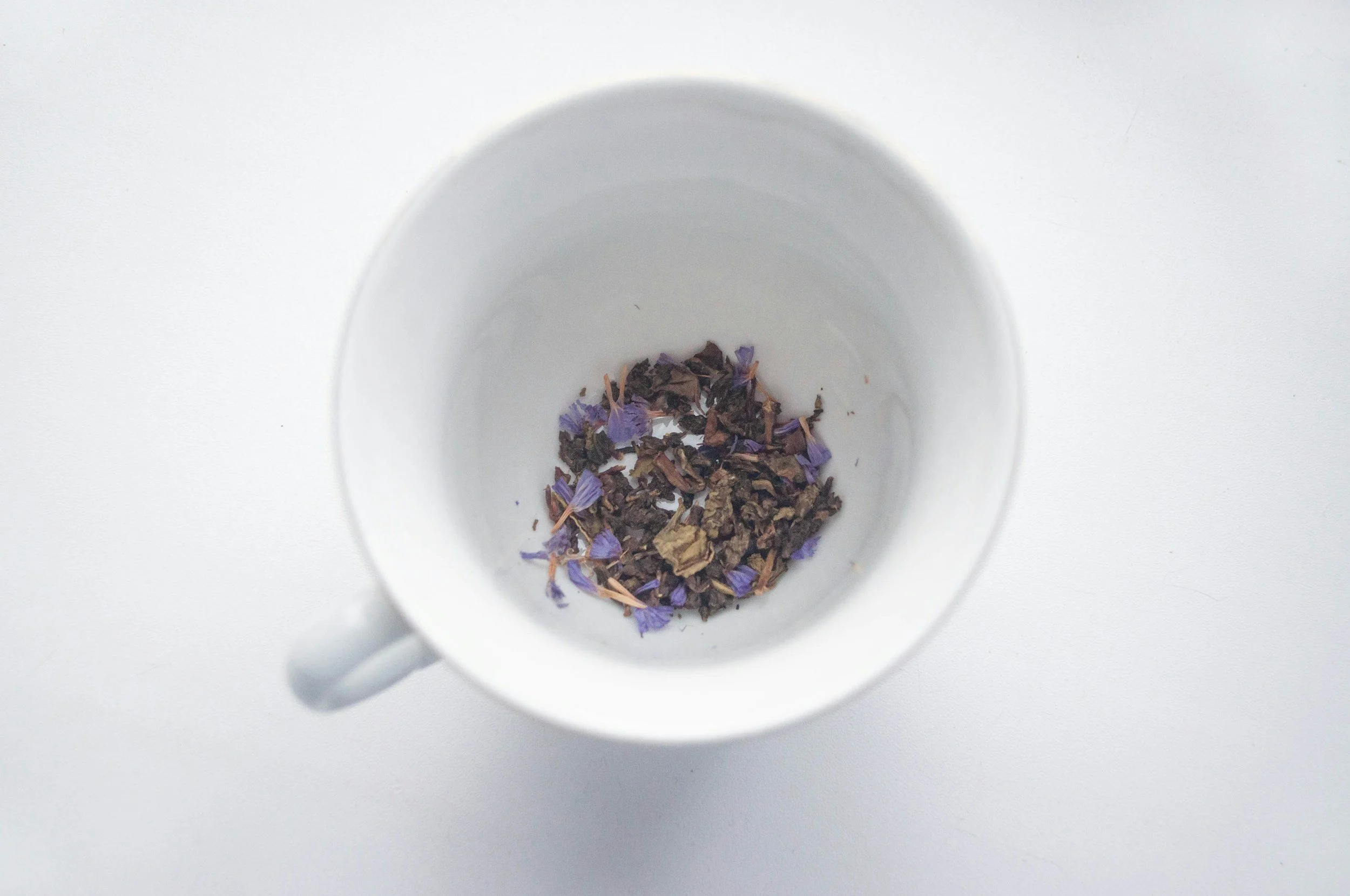
Tea is one of the most widely consumed beverages in the world—and one of the most biologically active. Its health effects depend not just on the type of tea, but on how the leaves were grown, processed, stored, and brewed. Quality begins in the field and is either preserved or lost by the time it reaches your cup.
This deeper dive explores:
How growing conditions and processing shape tea chemistry
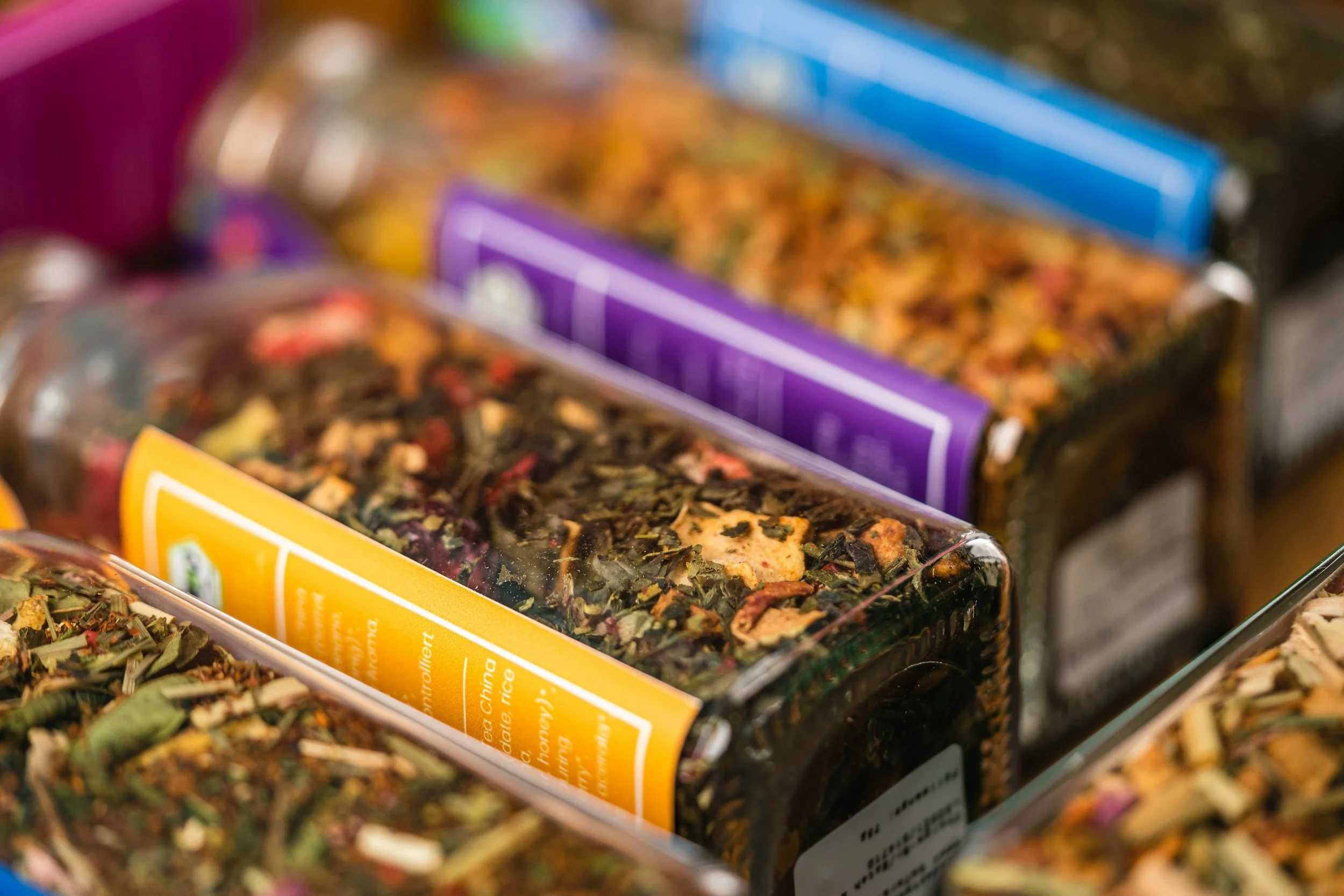
The difference between whole-leaf tea and tea bags
What research shows about polyphenols, antioxidants, and brewing
Practical ways to choose and prepare higher-quality tea
Let’s start at the foundation: the leaf.
The Tea Plant & Growing Conditions
All true tea comes from the same plant: Camellia sinensis. Differences in flavor and health effects arise from:
Soil quality and mineral availability
Climate, altitude, and harvest timing
Leaf maturity and handling after harvest
Tea grown in mineral-rich soils and harvested carefully tends to contain higher levels of polyphenols, amino acids (like L-theanine), and aromatic compounds.
Environmental contamination also matters—tea plants can accumulate heavy metals and pesticide residues, making sourcing and testing critical.
Processing: How Tea Becomes Green, Black, or Oolong
Tea type is determined by oxidation and processing—not by the plant itself.
Green tea: Minimally oxidized, highest catechin content
Oolong tea: Partially oxidized, balanced polyphenols
Black tea: Fully oxidized, richer in theaflavins and thearubigins
White tea: Lightly processed, delicate and antioxidant-rich
Processing directly alters antioxidant composition and biological effects.
https://doi.org/10.1016/j.foodchem.2013.06.087
Whole-Leaf vs. Tea Bags: A Major Quality Gap
Many commercial tea bags contain:
Broken leaves or “dust”
Lower-grade material
Plastic fibers in the bag itself
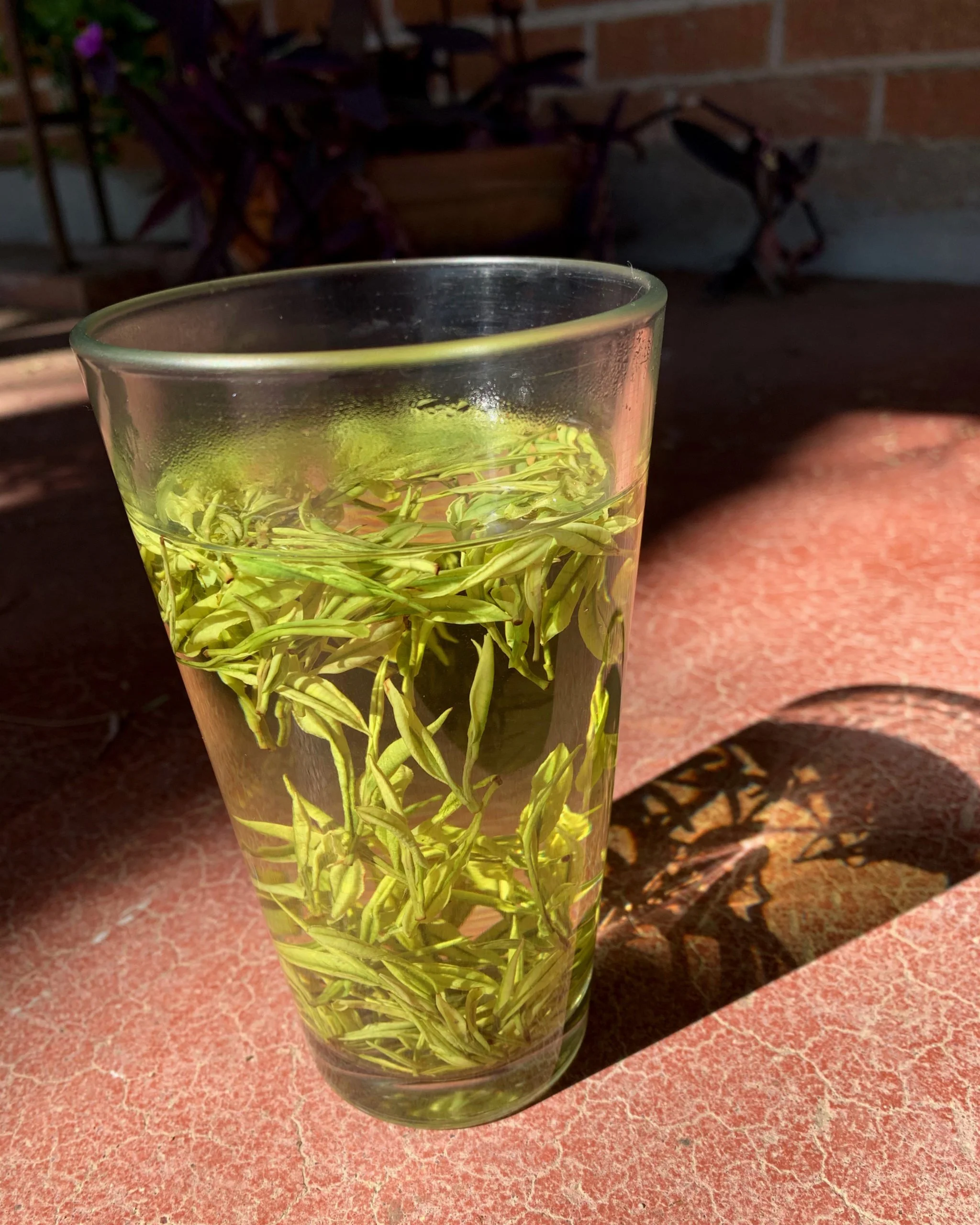
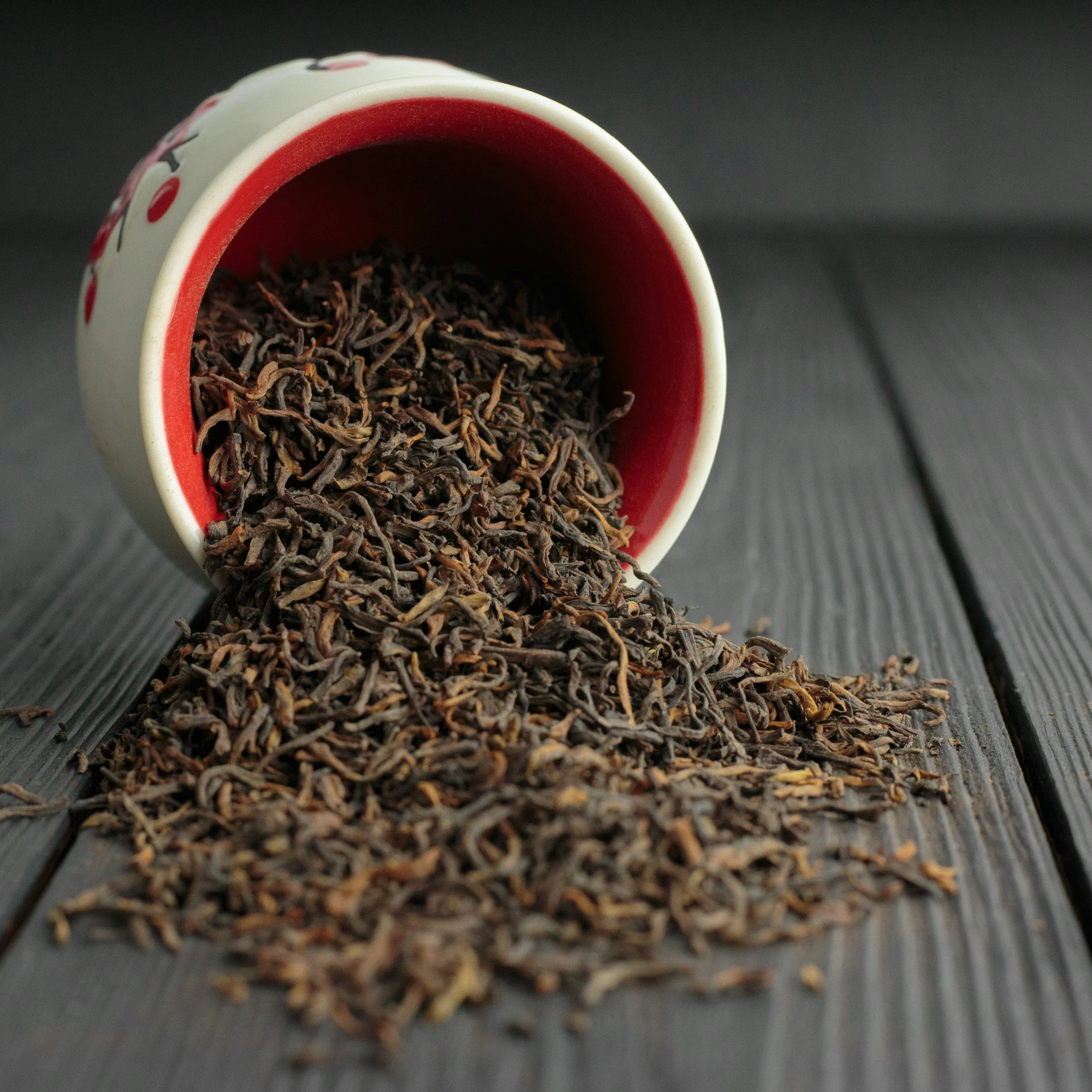
Whole, loose-leaf tea:
Retains essential oils and polyphenols
Brews more evenly
Delivers superior flavor and antioxidant activity
Studies show that leaf size and integrity significantly affect polyphenol extraction and antioxidant capacity.
https://doi.org/10.1016/j.jfca.2016.03.006
Polyphenols, L-Theanine & Health Benefits
Tea is rich in bioactive compounds, including:
Catechins (EGCG) – antioxidant and metabolic effects
Theaflavins – cardiovascular support
L-theanine – promotes calm focus and stress modulation
Regular tea consumption has been associated with:
Reduced cardiovascular risk
Improved metabolic markers
Neuroprotective effects
A large meta-analysis linked tea consumption with lower risk of cardiovascular disease and mortality.
https://doi.org/10.1093/eurheartj/ehy833
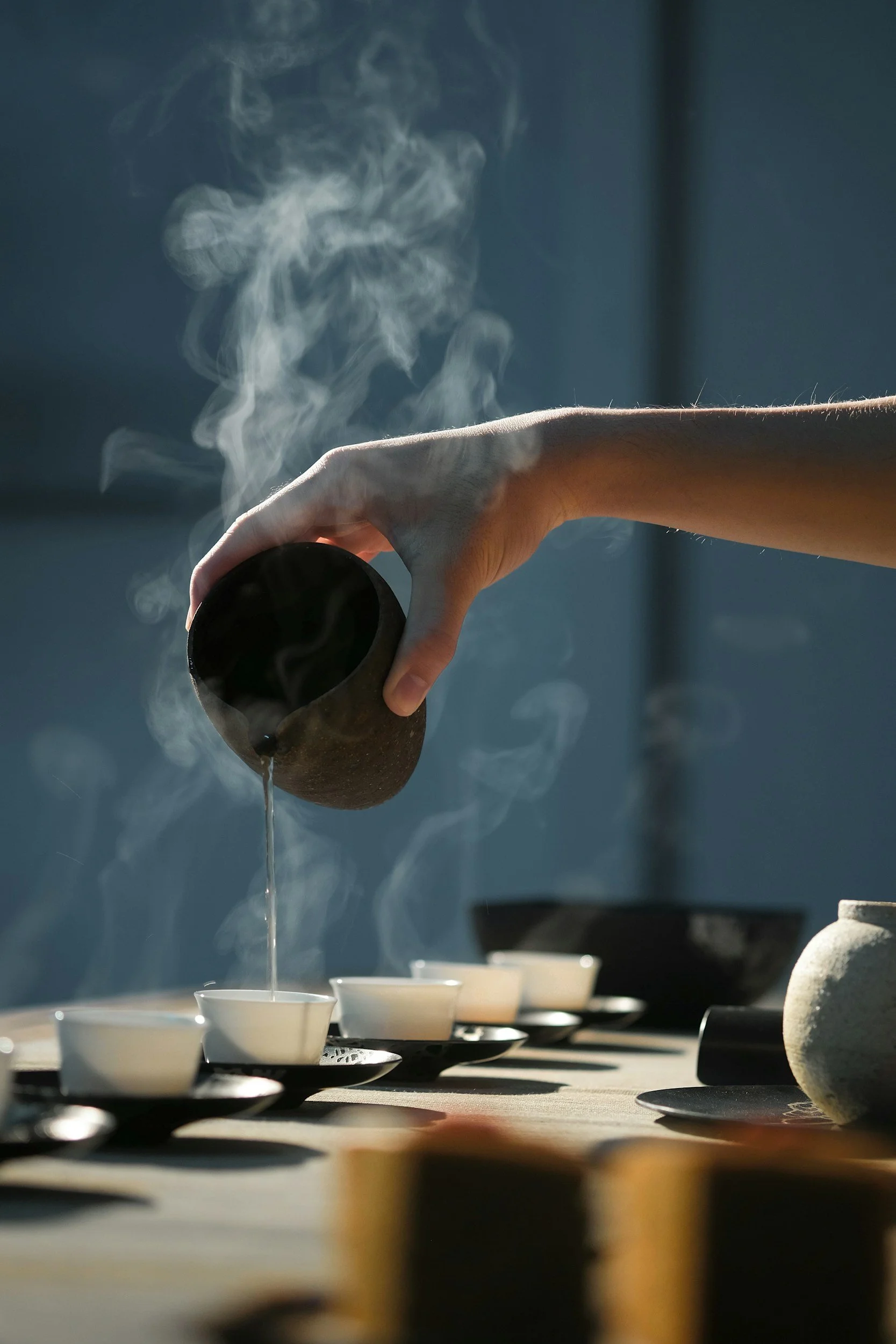
Brewing Matters: Temperature & Time
Improper brewing can destroy delicate compounds or extract bitterness.
General guidelines:
Green tea: 160–180°F (70–82°C), 1–3 minutes
Oolong tea: 180–195°F (82–90°C), 2–4 minutes
Black tea: 200–212°F (93–100°C), 3–5 minutes
Overheating green tea reduces catechin stability and flavor quality.
https://doi.org/10.1016/j.foodchem.2011.01.073
Storage: Protecting Delicate Leaves
Tea is highly sensitive to:
Light
Air
Moisture
Strong odors
Poor storage rapidly degrades antioxidants and aroma.
Best practices:
Store in airtight containers
Keep away from light and heat
Avoid refrigeration (unless vacuum-sealed)
Putting This Science Into Practice
When choosing tea:
✔ Choose whole, loose-leaf tea
✔ Prefer organic to reduce pesticide exposure
✔ Buy from transparent sources with harvest info
✔ Store tea airtight, away from light and moisture
✔ Brew at the correct temperature
✔ Replace green tea within 6–12 months; black tea within 1–2 years
(Tea doesn’t become unsafe with age—it simply loses potency and flavor.)
Summary: Tea Is a Living Leaf, Not a Dust
Tea’s benefits are inseparable from how it’s grown, processed, and brewed. Whole, carefully sourced leaves preserve polyphenols, amino acids, and aromatic compounds that support cardiovascular, metabolic, and cognitive health. Choosing quality tea—and brewing it with intention—transforms a daily habit into a meaningful ritual rooted in plant biology, soil health, and tradition.