Fish
Buy small fish frozen close to harvest. Avoid high-mercury species like tuna.
Fish can be an excellent source of omega-3s and lean protein — but sourcing and handling make all the difference. Overfishing, pollution, and poor aquaculture practices are widespread, and the nutritional quality of fish is directly tied to what the fish ate and how it was raised. Feed, water quality, and stress levels all influence the final product. Fish flesh is also highly perishable, so freshness is critical. Look for fish that has been frozen as close to harvest as possible to preserve both taste and nutrition. Buy frozen, fresh fish in the market may have been previously frozen and rethawed multiple times if it didn’t sell. Fish should not smell “fishy”- this is an indication of spoilage.
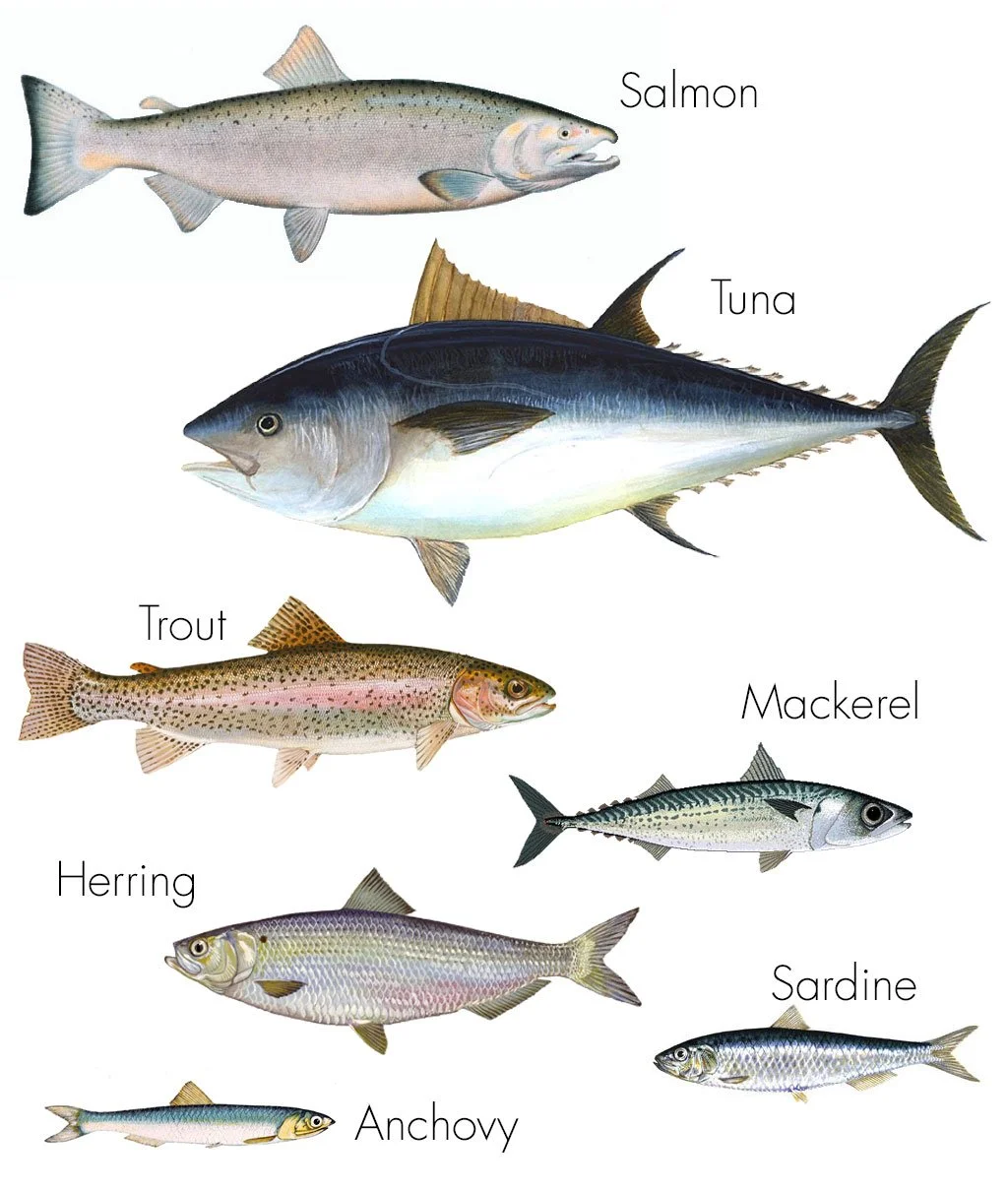
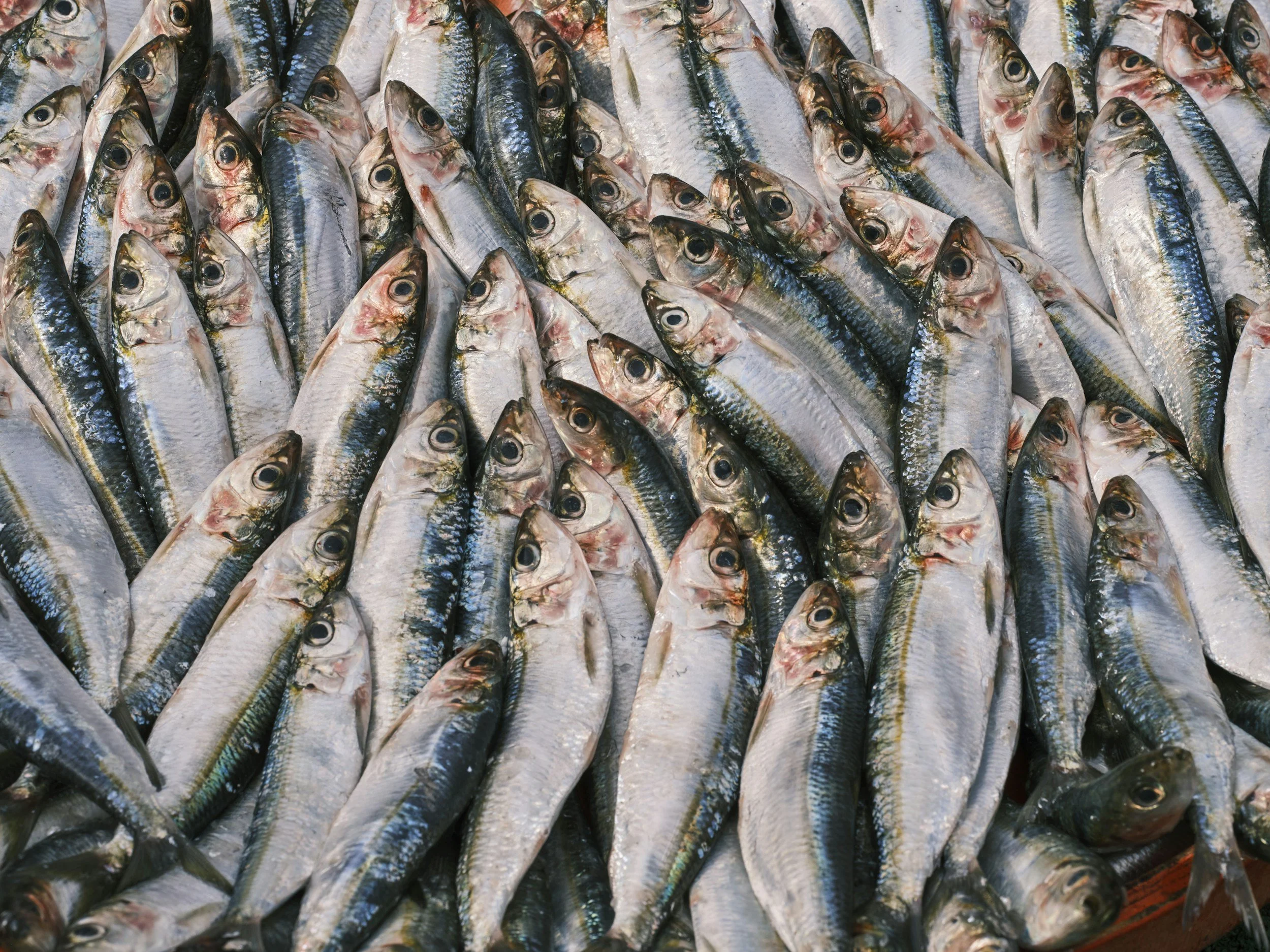
💡 Opt for smaller species like sardines, anchovies, and mackerel, which are lower in mercury due to their short life cycles. Larger fish like tuna and swordfish can accumulate high levels of mercury through biomagnification. Always look for sustainability certifications like MSC, and store fish in the coldest part of your fridge. Use within 24–48 hours for best quality.

From Water to Plate: Fish and Why Quality Matters
Fish is often praised for its omega-3 fats and lean protein—but its nutritional value varies widely. These differences begin in the water the fish lived in, what it ate, how it was caught or farmed, and how quickly it was preserved after harvest.
This deeper dive explores:
How diet, environment, and handling affect fish nutrition
Differences between wild-caught, farmed, fresh, and frozen fish
What research shows about omega-3s, contaminants, and freshness
Practical ways to choose higher-quality fish
Let’s start with the foundation: what fish eat and where they live.
Diet & Environment: The Foundation of Nutritious Fish
Fish reflect their environment more directly than almost any other food. Water quality, feed sources, and stress levels all shape nutrient content.
Wild fish eat natural diets (plankton, algae, smaller fish), often resulting in higher omega-3 levels and more diverse micronutrients.
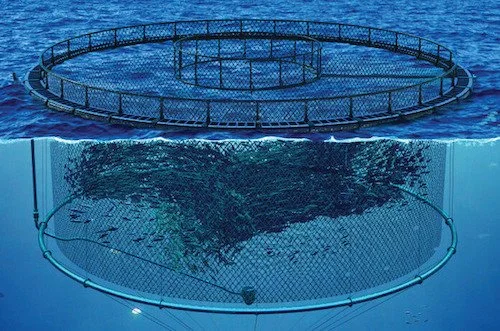
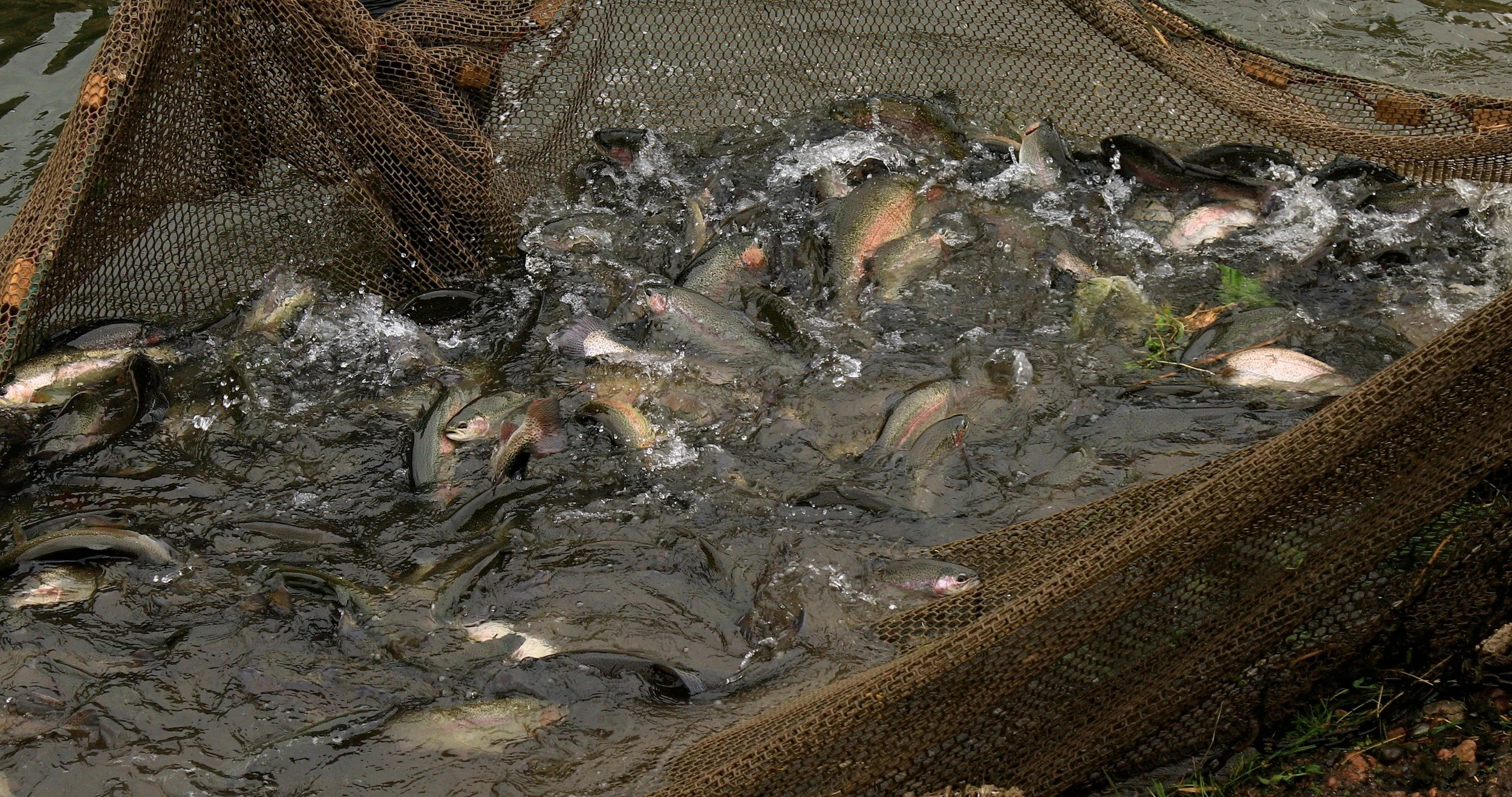
Farmed fish vary widely—nutrient quality depends on feed composition, water conditions, stocking density, and farming practices.
Fish raised or caught in cleaner waters and fed diets closer to their natural food sources tend to provide better nutritional profiles.
Omega-3s: Why They Matter (and Why They Vary)
Omega-3 fatty acids (EPA and DHA) are among the most studied nutrients in fish, supporting cardiovascular, brain, and metabolic health.
Research shows:
Fatty fish like sardines, anchovies, and mackerel are among the richest sources of EPA and DHA
Omega-3 levels depend heavily on what the fish eats—not just the species
A large review confirmed that wild-caught fish generally contain higher and more stable omega-3 levels than conventionally farmed fish, though well-managed aquaculture can approach similar levels.
https://doi.org/10.1016/j.jand.2013.05.001
Small Fish, Big Benefits: Mercury & Biomagnification
Mercury accumulates in the food chain through a process called biomagnification. Larger, longer-lived predatory fish concentrate more mercury over time.
Lower-mercury choices: sardines, anchovies, herring, mackerel (Atlantic), trout
Higher-mercury species: tuna, swordfish, shark
Multiple studies show that choosing smaller fish significantly reduces mercury exposure while still providing high omega-3 intake.
https://doi.org/10.1016/j.envres.2012.03.002
Fresh vs. Frozen: Why Timing Matters
Fish is highly perishable. Nutrient quality begins to decline immediately after harvest.
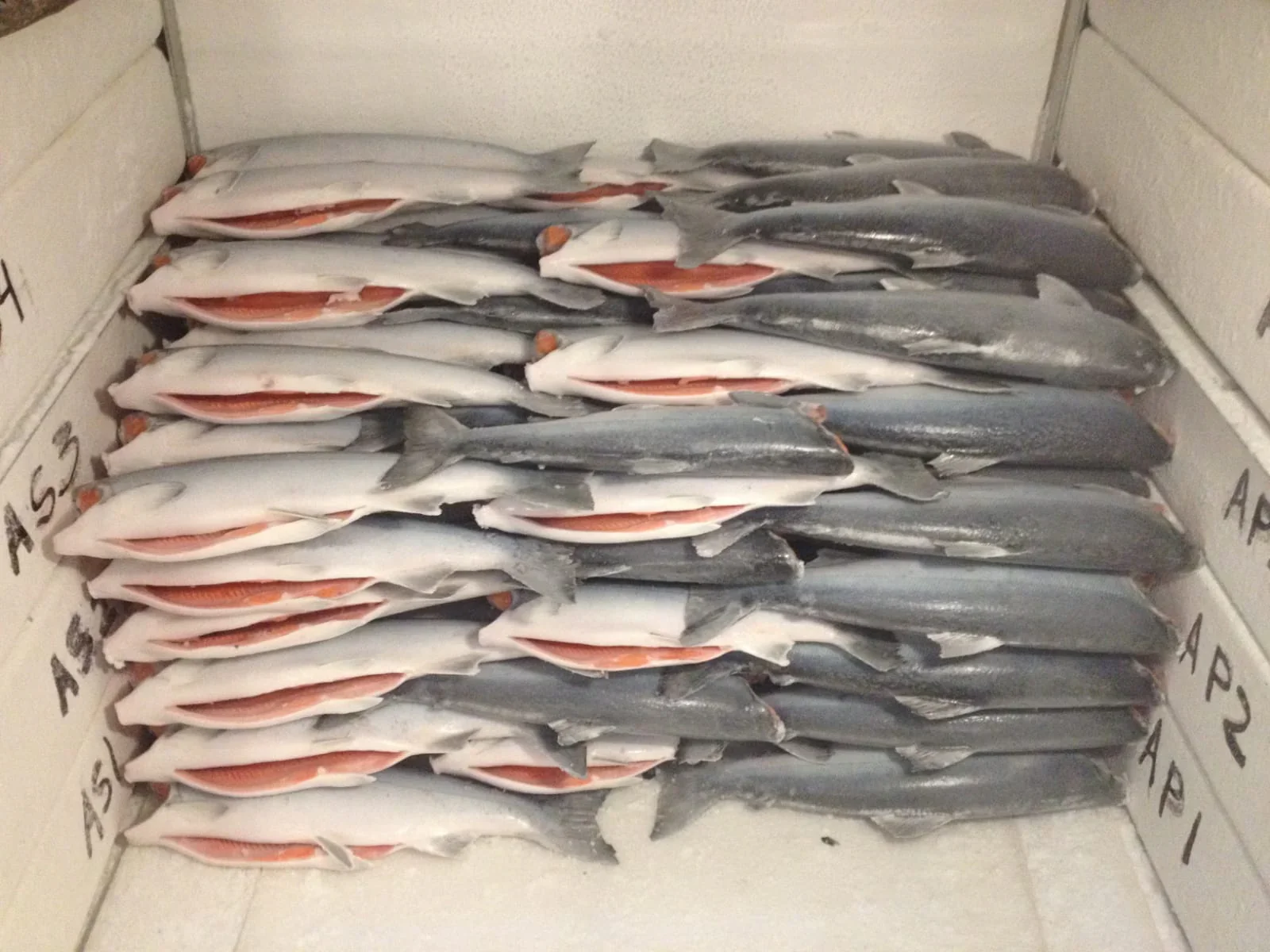
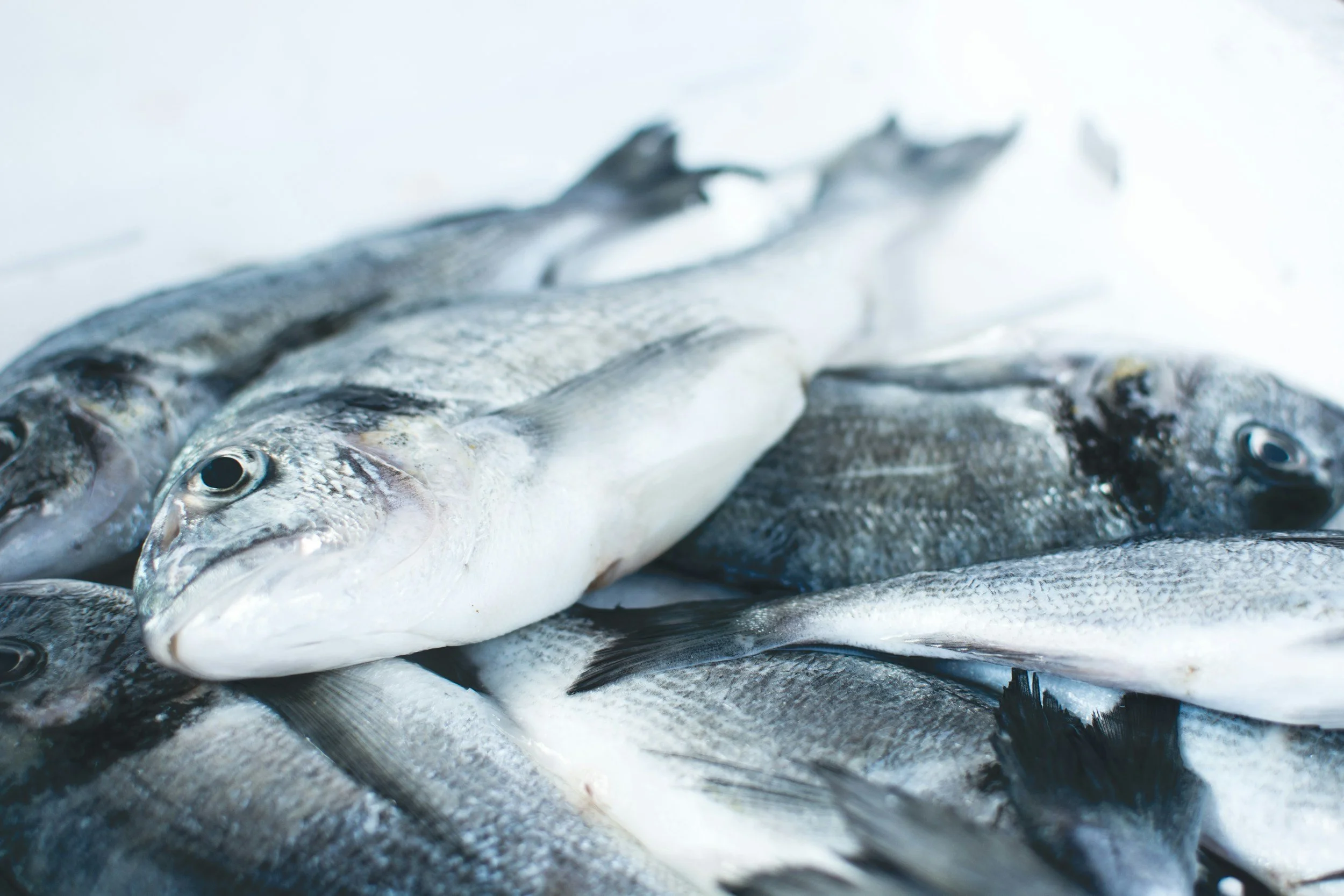
Fish frozen at sea shortly after catch often retains more omega-3s and better texture than “fresh” fish that has been transported and stored for days
Many “fresh” fish at markets have been previously frozen and thawed
Research demonstrates that rapid freezing preserves lipid quality and reduces oxidative damage in fish muscle.
https://doi.org/10.1016/j.foodchem.2014.03.103
Aquaculture: Not All Farmed Fish Is the Same
Aquaculture quality varies dramatically.
Higher-quality systems emphasize:
Clean, well-oxygenated water
Lower stocking densities
Feeds designed to support omega-3 content
Minimal antibiotic use
Poorly managed systems can result in:
Lower omega-3 levels
Higher omega-6 fats from grain-based feeds
Increased stress and disease risk
Well-regulated aquaculture, however, can produce nutritionally robust fish while reducing pressure on wild populations.
Sustainability & Nutrient Quality Go Together
Fish from well-managed fisheries and responsible aquaculture systems tend to be:
Healthier nutritionally
Less contaminated
More resilient long-term food sources
Sustainability certifications help identify fisheries that balance ecosystem health with food quality.
Putting This Science Into Practice
When choosing fish:
✔ Prioritize small, oily fish (sardines, anchovies, mackerel)
✔ Choose fish frozen close to harvest
✔ Be cautious with large predatory species
✔ Look for sustainability certifications
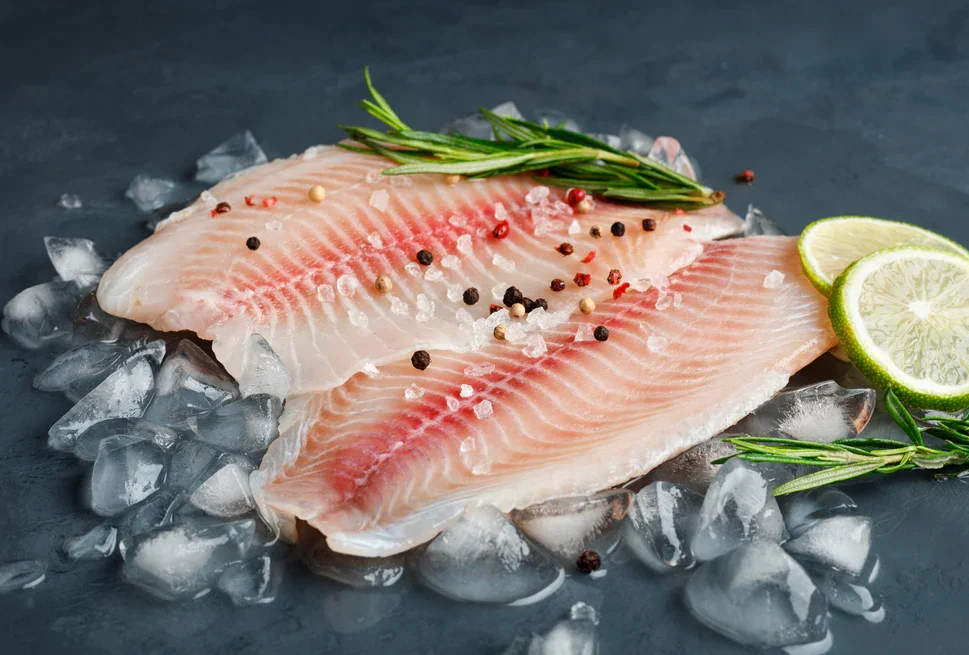
✔ Avoid fish that smells “fishy”—this indicates spoilage
Store fish in the coldest part of the refrigerator and use within 24–48 hours after thawing.
Summary: Fish Reflect the Water They Come From
Fish are a direct reflection of their environment. Diet, water quality, and handling determine omega-3 content, contaminant levels, and overall nutritional value. Choosing small, sustainably sourced fish—especially those frozen close to harvest—maximizes nutritional benefit while minimizing toxin exposure. Thoughtful fish choices support both human health and healthier aquatic ecosystems.