Seasonings (Salt & Spices)
Buy mineral-rich salts and whole spices. Grind fresh and replace often for max flavor and potency.
Salt and spices can transform food — but they’re often overlooked in terms of quality. Commercial table salt is bleached and stripped of minerals. Spices lose potency quickly and are sometimes irradiated or mixed with fillers. Whole, unprocessed salts offer a broader spectrum of nutrients.
💡 Choose mineral-rich salts like sea salt or Himalayan pink salt. Buy whole spices and grind them fresh. Store spices in airtight containers away from heat and light, and replace them every 6–12 months.

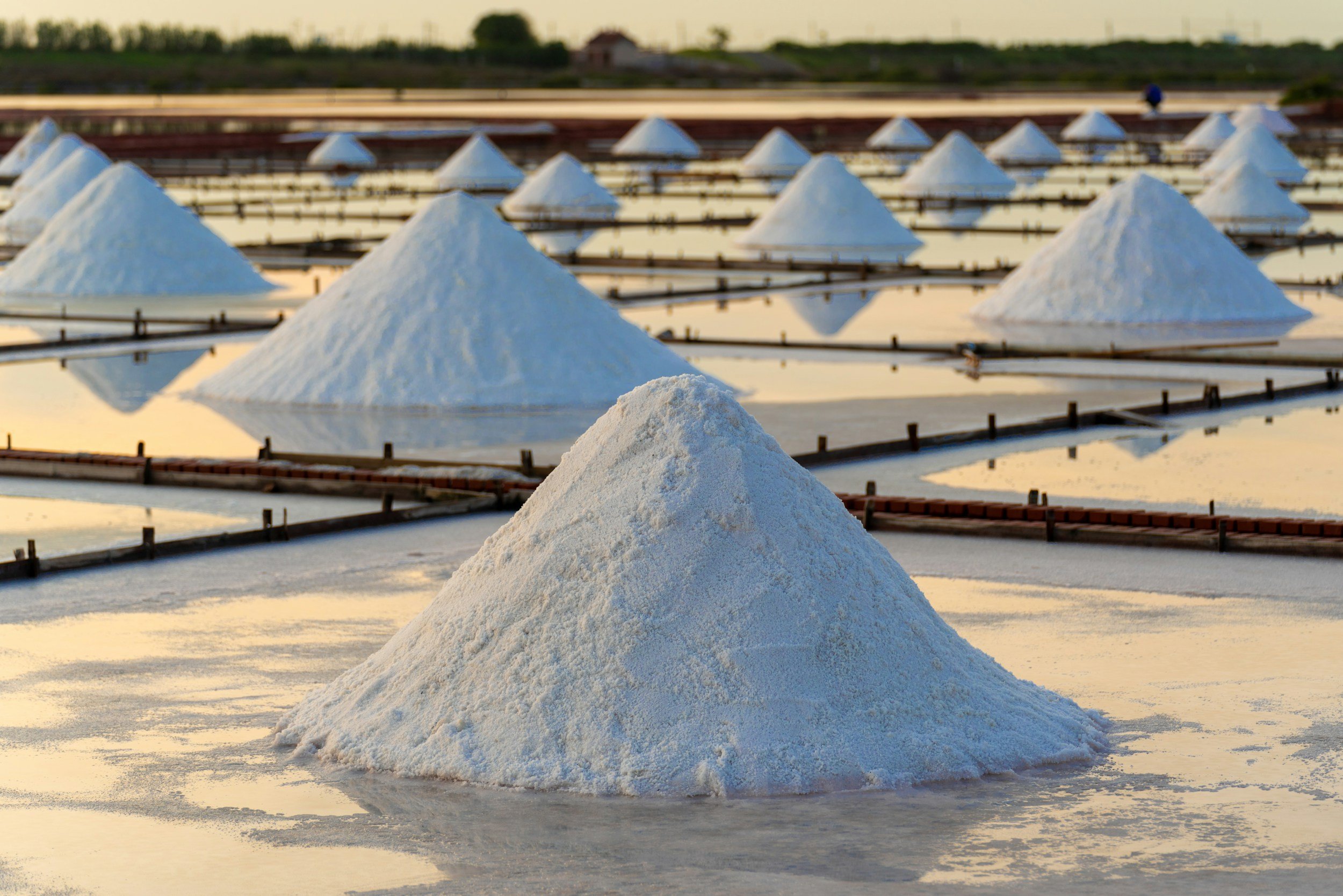
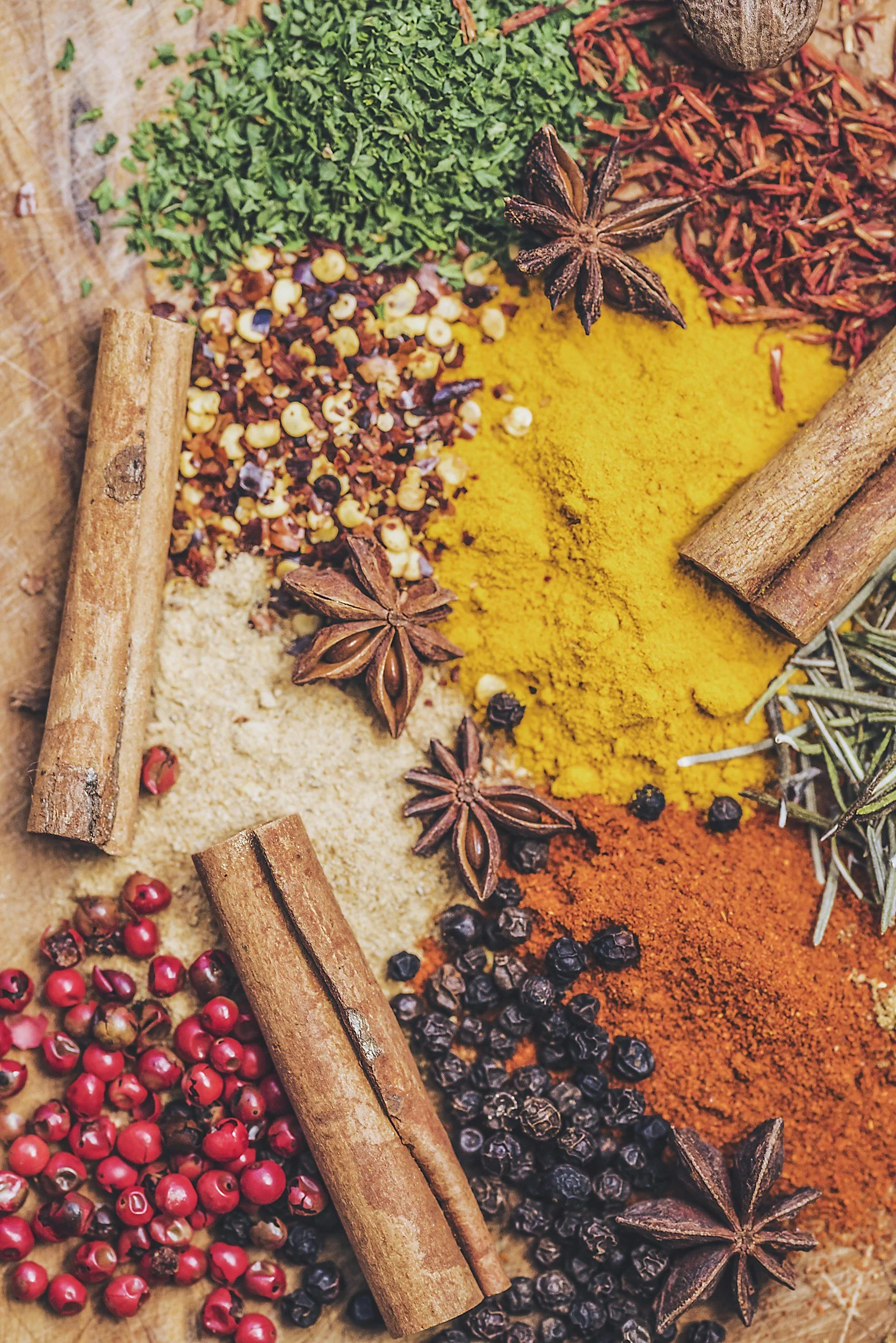
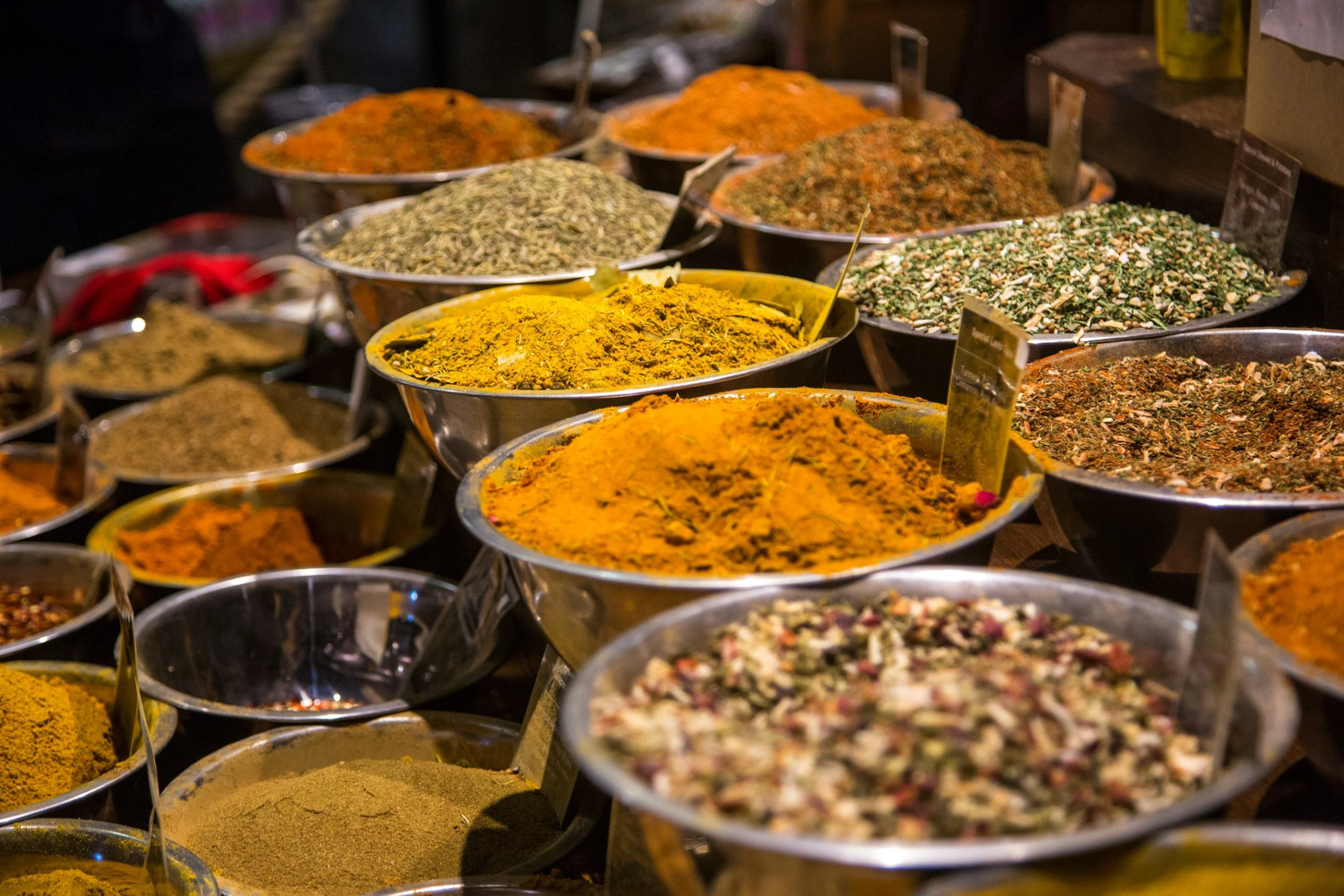

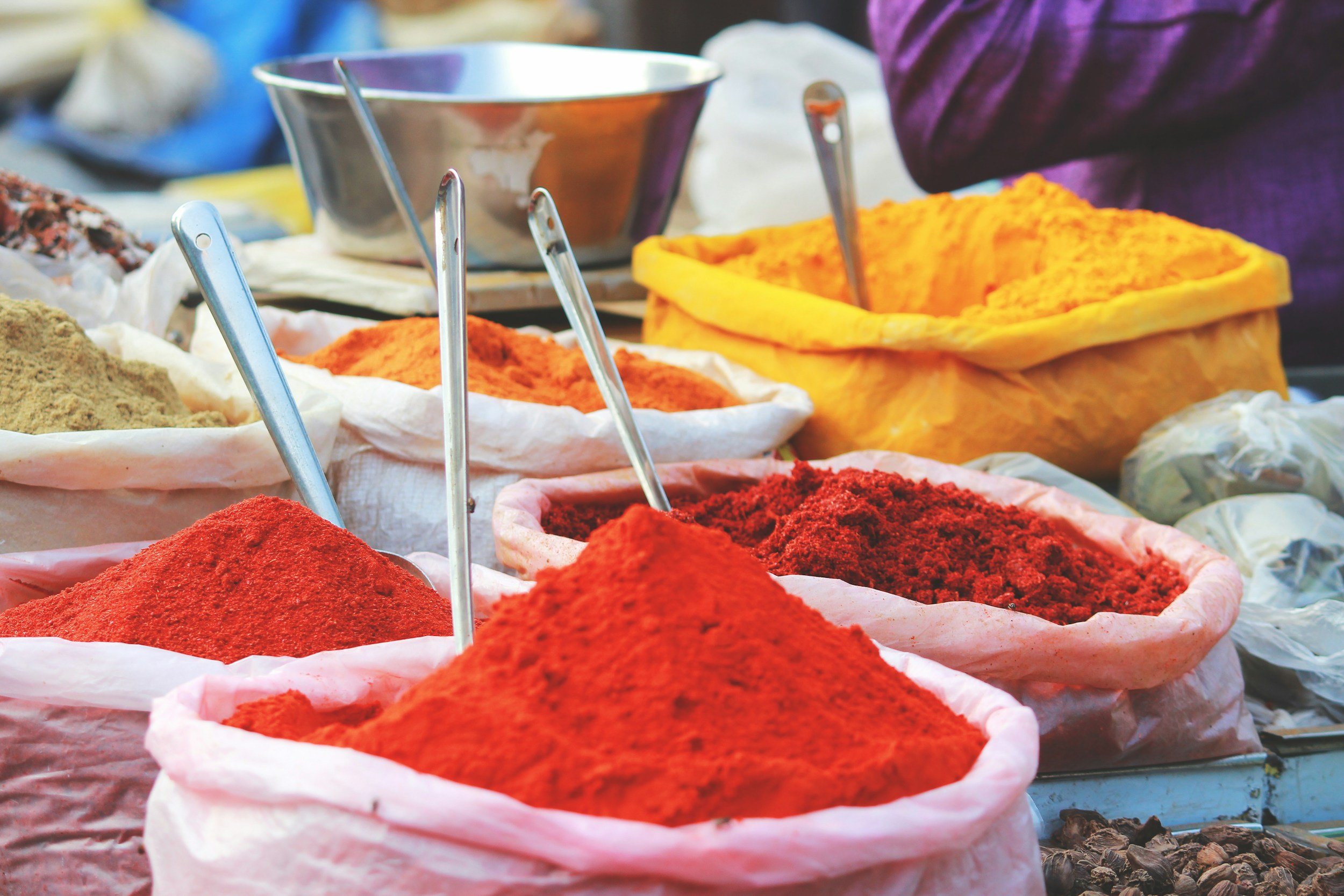
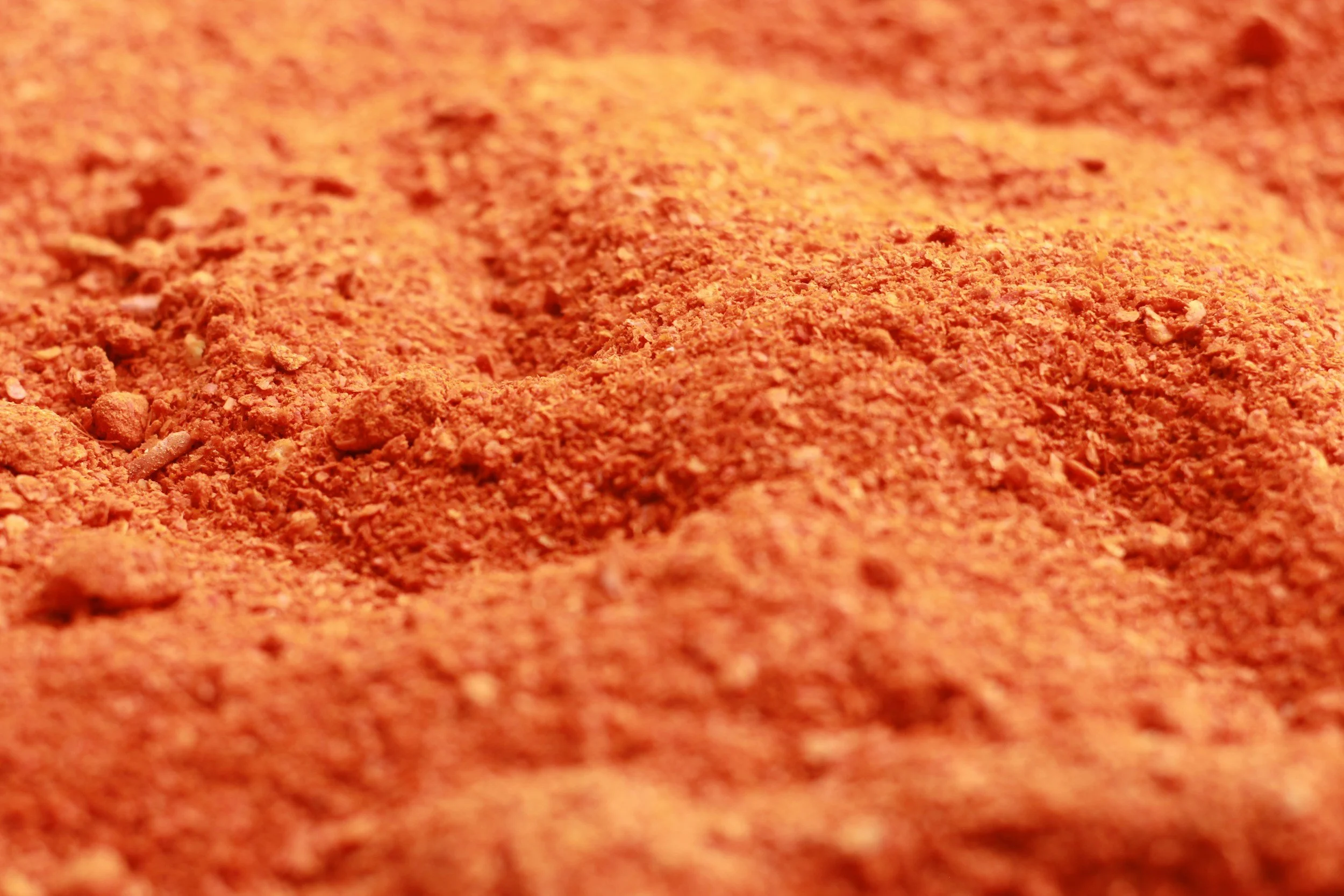
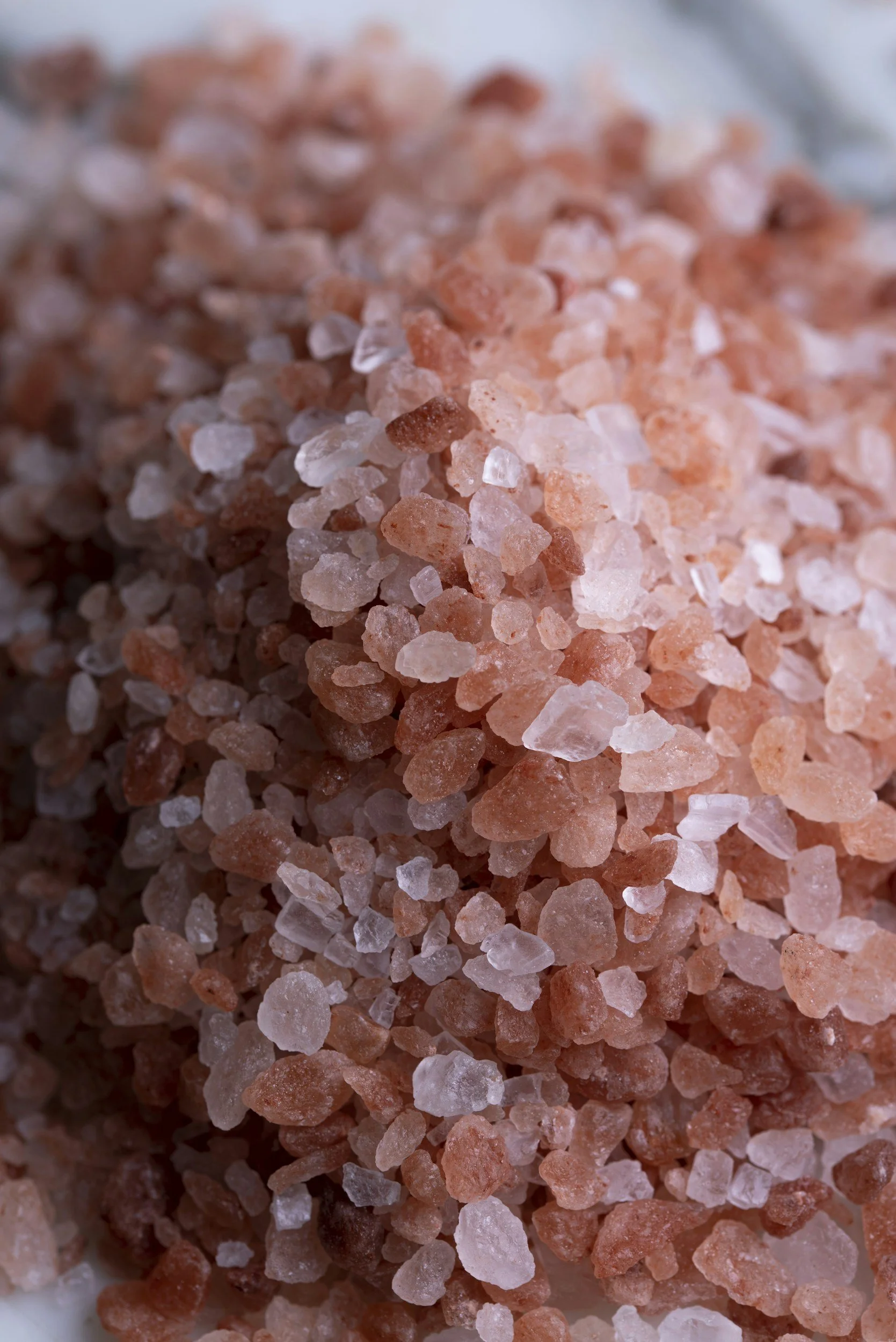
From Earth to Flavor: Seasonings (Salt & Spices) and Why Quality Matters
Salt and spices are often used in small amounts, but their quality has an outsized impact on both flavor and nutrition. These seasonings are derived directly from the earth and plants—and how they’re mined, grown, processed, and stored determines whether they add depth and nourishment or simply sodium and dust.
This deeper dive explores:
Differences between refined and mineral-rich salts
How spice processing affects potency and health value
What research shows about antioxidants and bioactive compounds
Practical ways to choose and use higher-quality seasonings
Let’s start with the foundation: salt.
Salt: More Than Just Sodium
Salt is essential for nerve signaling, fluid balance, and muscle function—but not all salt is created equal.
Refined Table Salt
Most commercial table salt is:
Heavily processed and bleached
Stripped of trace minerals
Often contains anti-caking agents
This produces uniform sodium chloride—but little else.
Unrefined, Mineral-Rich Salts
Traditional salts (sea salt, Himalayan pink salt, mined salts) retain trace minerals such as magnesium, potassium, and calcium.
While minerals are present in small amounts, unrefined salts:
Better reflect natural mineral balance
Lack chemical additives
Often provide superior flavor complexity
Spices: Potency Lives in Freshness
Spices are concentrated plant compounds rich in polyphenols, essential oils, and antioxidants. Their potency depends heavily on how they’re processed and stored.
Whole vs. Ground Spices
Whole spices:
Retain volatile oils longer
Offer greater antioxidant capacity
Deliver more complex flavor
Pre-ground spices:
Oxidize rapidly
Lose aroma and bioactive compounds
May be irradiated or mixed with fillers
Studies show that grinding dramatically accelerates antioxidant loss in spices exposed to light and air.
https://doi.org/10.1016/j.foodchem.2015.07.070
Antioxidants & Health Benefits
Many spices are among the most antioxidant-rich foods by weight.
Examples:
Turmeric – curcuminoids (anti-inflammatory)
Cinnamon – polyphenols supporting glucose metabolism
Cloves – exceptionally high antioxidant content
Black pepper – piperine enhances nutrient absorption
A comprehensive antioxidant analysis ranked spices among the highest antioxidant foods in the human diet.
https://doi.org/10.1016/j.jfca.2010.04.005
Irradiation, Adulteration & Fillers
Commercial spice supply chains may involve:
Irradiation to extend shelf life
Artificial coloring
Anti-caking agents or fillers
These practices reduce flavor integrity and may degrade sensitive compounds.
Buying from trusted sources that disclose sourcing and processing helps preserve quality.
Storage: Protecting Volatile Compounds
Spices are sensitive to:
Light
Heat
Air
Moisture
Poor storage accelerates oxidation and flavor loss.
Putting This Science Into Practice
When choosing seasonings:
✔ Choose unrefined, mineral-rich salts
✔ Avoid table salt with additives
✔ Buy whole spices and grind as needed
✔ Store spices in airtight containers away from heat and light
✔ Replace spices every 6–12 months
✔ Buy spices from high-turnover or specialty sources
Summary: Small Ingredients, Big Impact
Salt and spices may be used sparingly, but their quality matters. Unrefined salts retain mineral complexity, while whole, fresh spices deliver far more antioxidants, flavor, and biological activity than their pre-ground counterparts. Thoughtful sourcing and proper storage transform seasonings from simple flavor enhancers into meaningful contributors to both culinary depth and nutritional quality.