Fermented Foods
Fermented foods are rich in probiotics, enzymes, and flavor — but not all store-bought versions are alive. Fermented food are traditional living foods that support gut health, enhance digestion, and boost nutrient absorption. Many commercial pickles, yogurts, and krauts are pasteurized, killing off beneficial microbes. Others are preserved in vinegar instead of undergoing true fermentation.
💡 Look for “raw,” “unpasteurized,” or “live cultures” on the label. In yogurt and kefir, check that they contain multiple strains of active probiotics without added thickeners or sugars. Try making your own at home to control ingredients and fermentation time. Store in the fridge to slow fermentation once opened.
Choose raw, unpasteurized ferments with live cultures. Avoid vinegar-based or shelf-stable imitations.
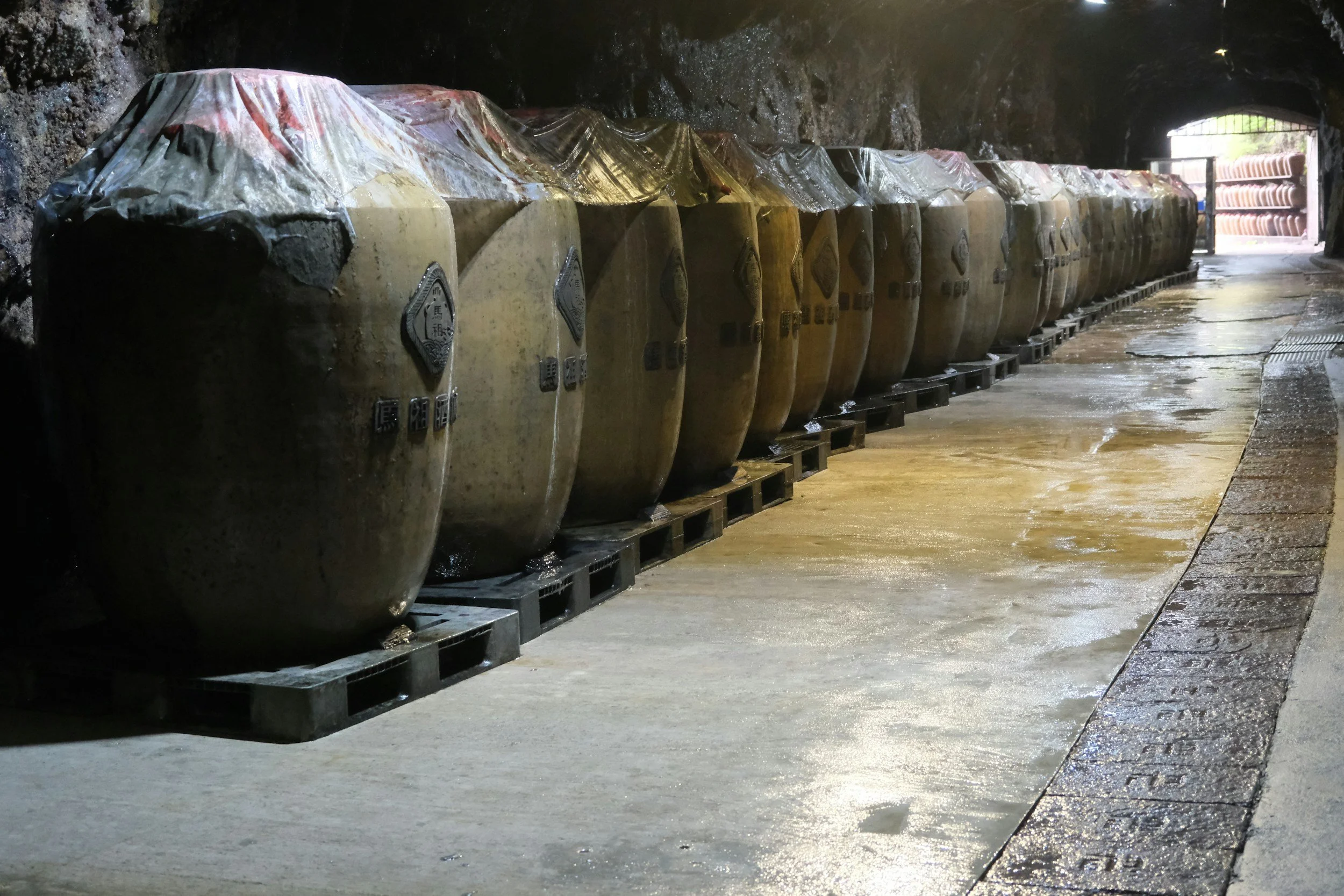
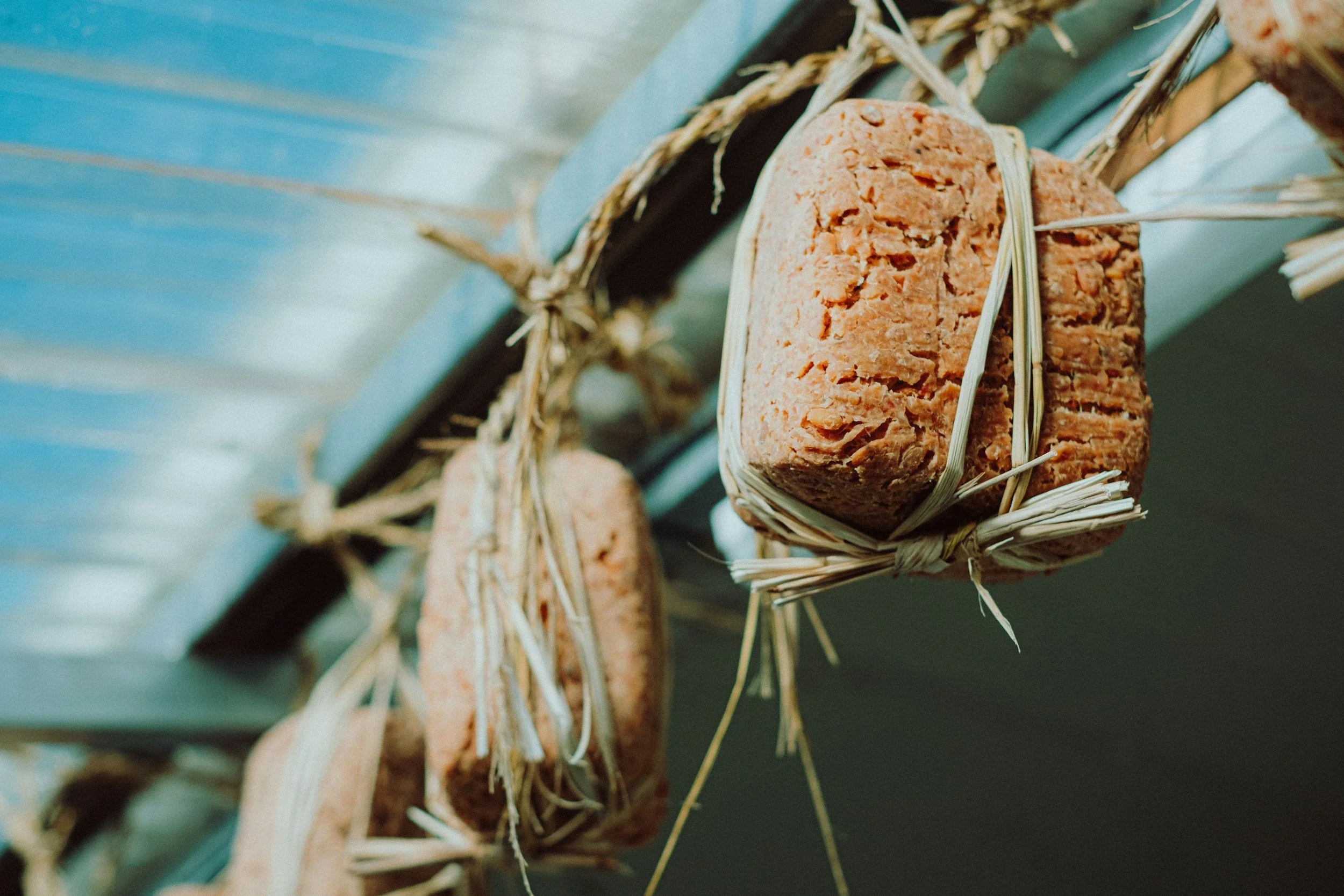
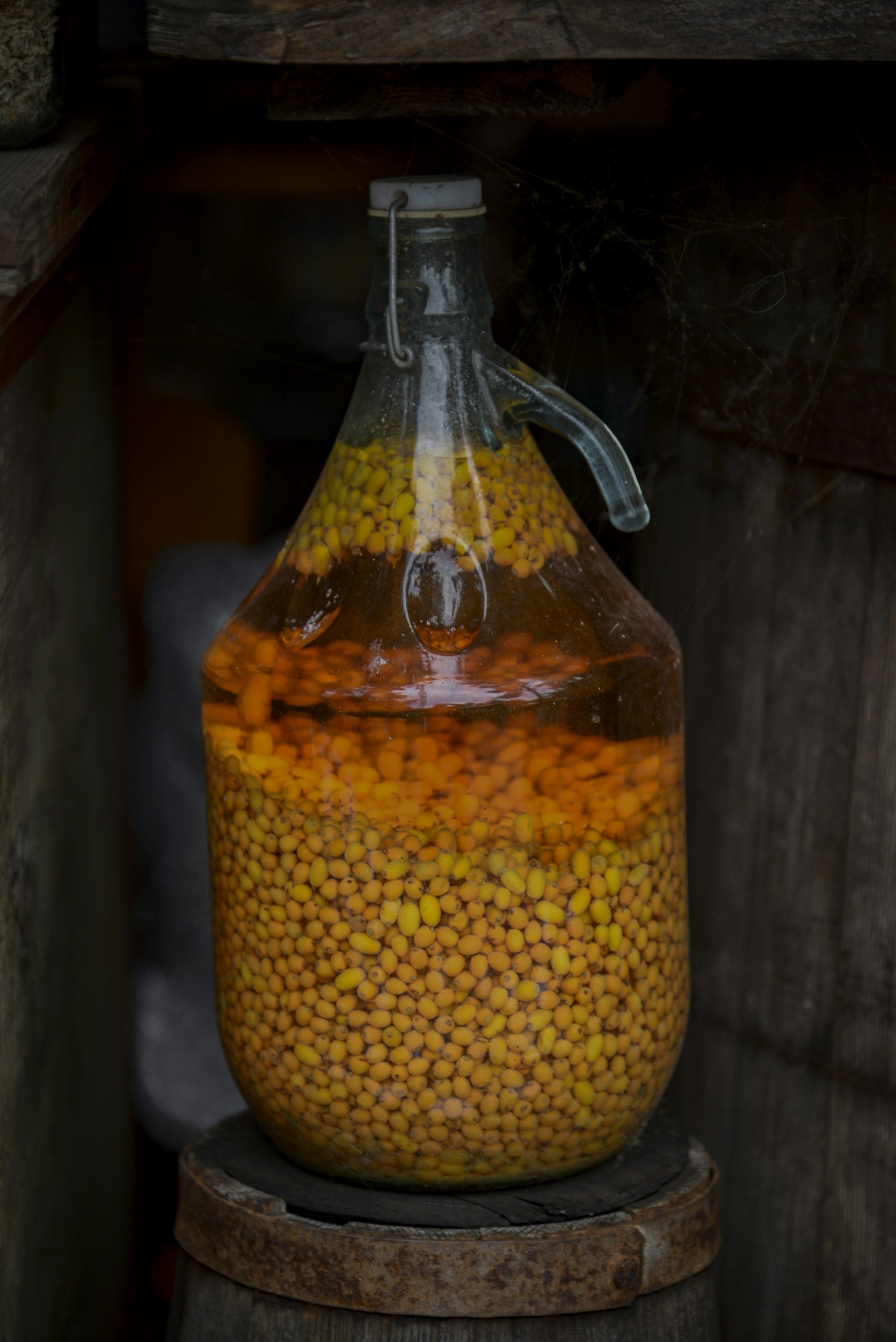
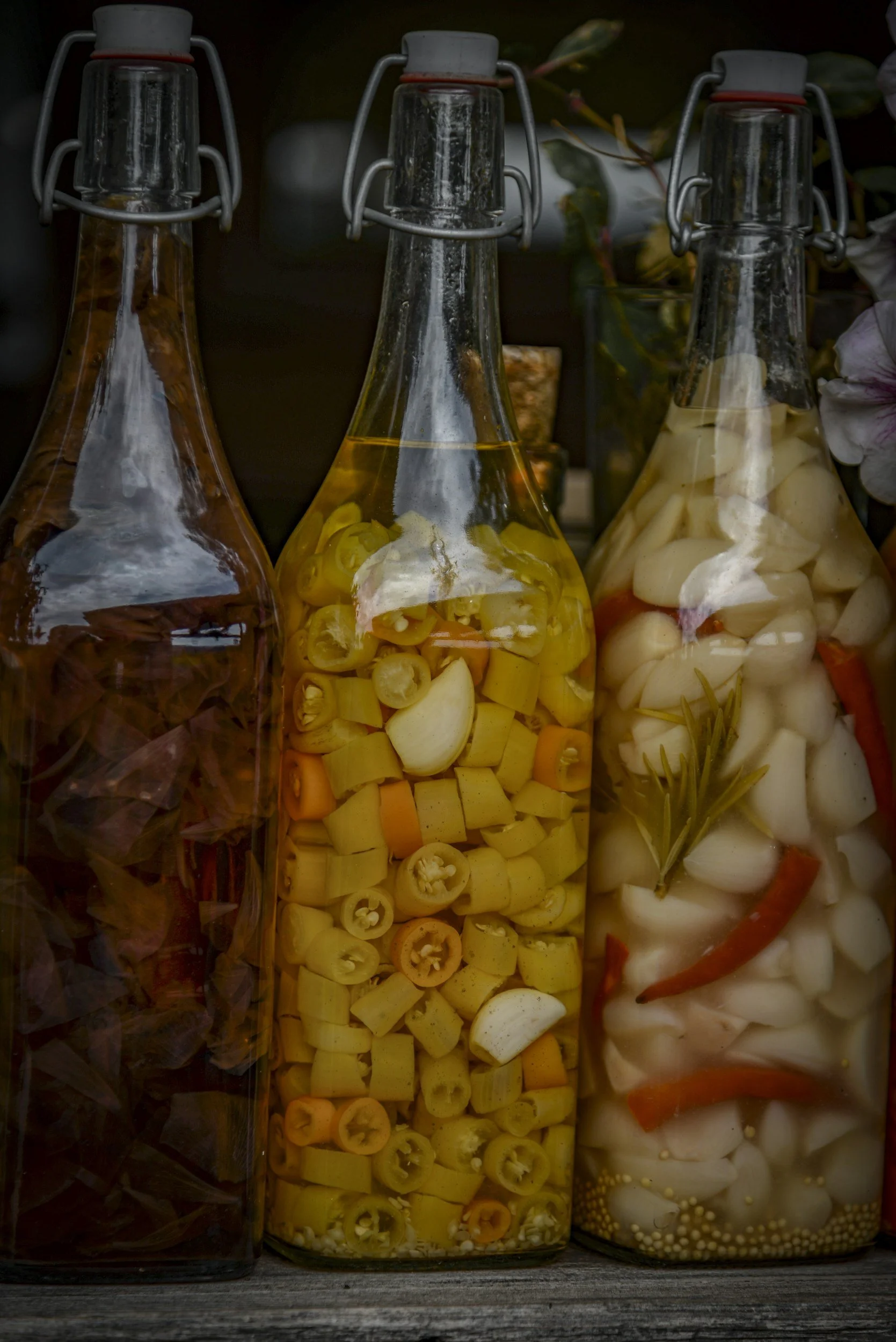
From Culture to Kitchen: Fermented Foods and Why Quality Matters
Fermented foods are living foods—created through the activity of beneficial microbes that transform raw ingredients into products with enhanced digestibility, flavor, and biological activity. But not all foods labeled “fermented” still contain living cultures. Quality depends on how fermentation is done and whether the food remains alive at the time of consumption.
This deeper dive explores:
How fermentation changes food chemistry and nutrition
The difference between true fermentation and imitation products
What research shows about probiotics and bioavailability
Practical ways to choose higher-quality fermented foods
Let’s start with the foundation: microbes.
Fermentation: A Biological Transformation
Fermentation is a controlled microbial process in which bacteria or yeast convert sugars into acids, alcohols, and other beneficial compounds.
This process:
Preserves food naturally
Increases bioavailability of nutrients
Produces enzymes and organic acids
Supports gut microbial diversity
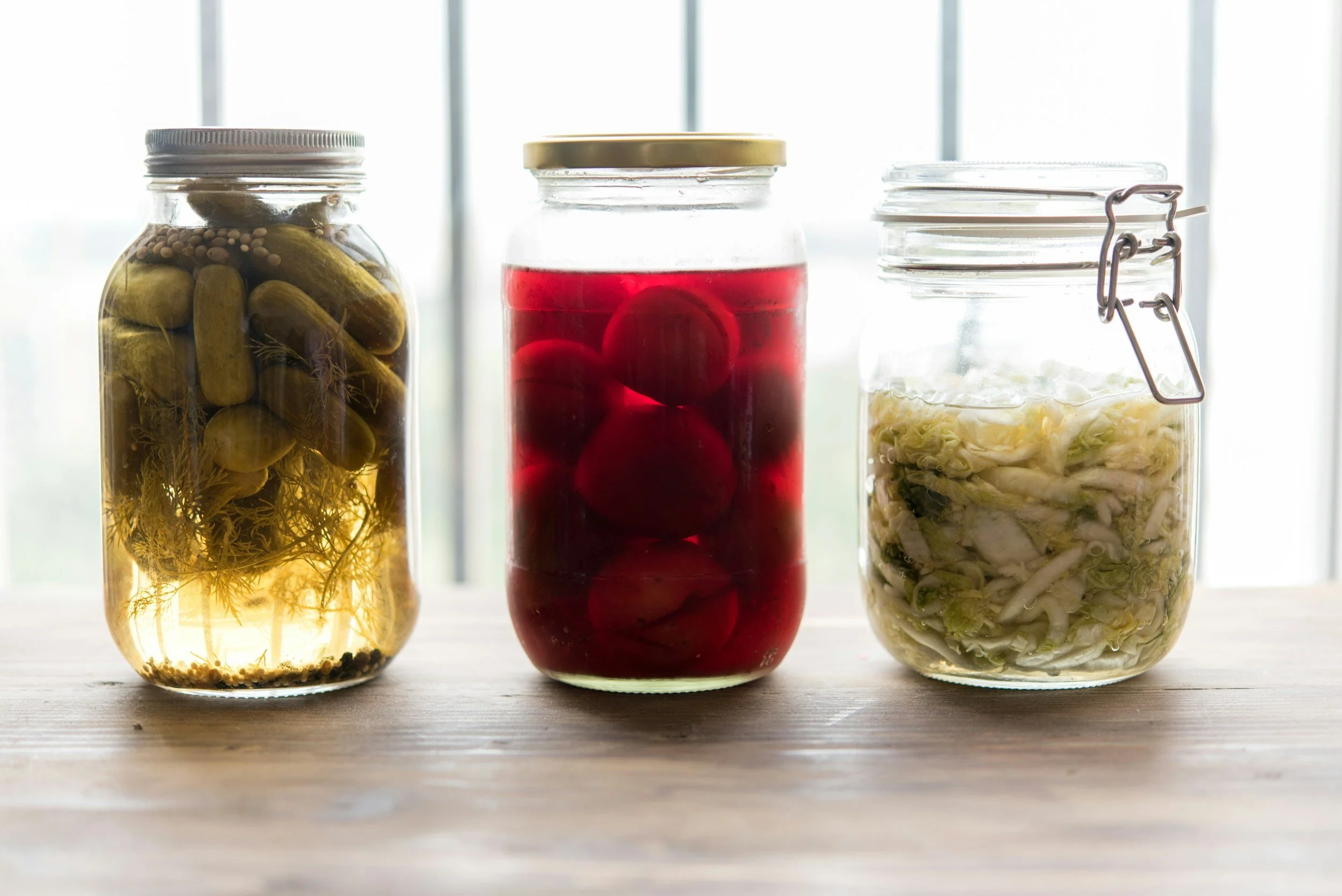
Traditional fermented foods include yogurt, kefir, sauerkraut, kimchi, miso, tempeh, and naturally fermented pickles.
Live vs. “Fermented-Style” Foods
Many modern products imitate fermented foods without delivering their biological benefits.
True Fermented Foods
Contain live, active cultures
Are typically refrigerated
Continue to evolve over time
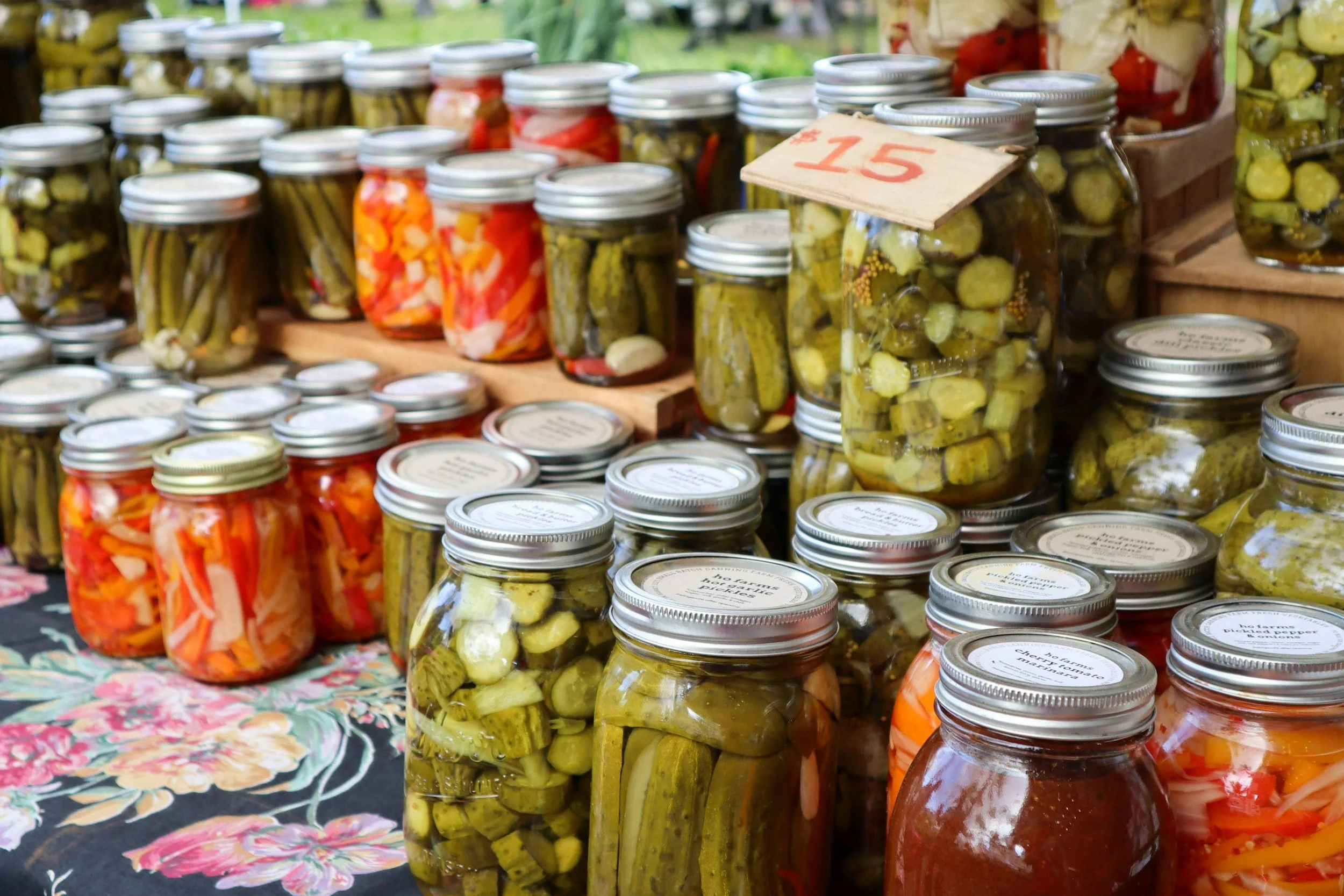
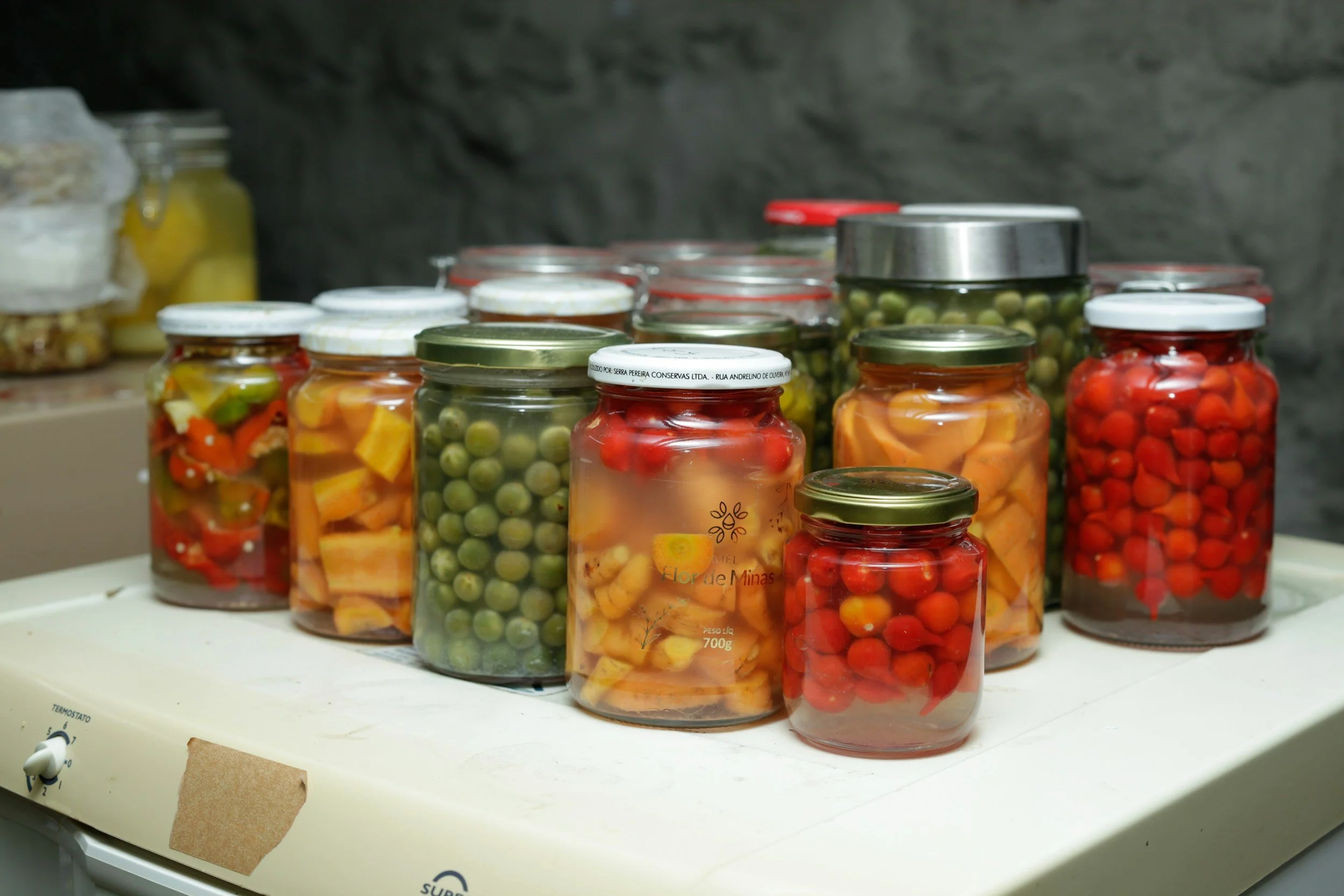
Imitation Products
Pasteurized after fermentation (kills microbes)
Preserved with vinegar instead of microbial activity
Shelf-stable and biologically inactive
Pasteurization dramatically reduces or eliminates probiotic content.
https://doi.org/10.1016/j.cofs.2020.08.003
Nutrient Bioavailability & Digestibility
Fermentation improves nutrient absorption by:
Breaking down phytic acid, increasing mineral availability
Partially digesting proteins and carbohydrates
Producing B-vitamins and organic acids
Studies show fermented foods enhance mineral bioavailability and reduce antinutrients compared with unfermented foods.
https://doi.org/10.1016/j.foodres.2018.02.010
Probiotics & Gut Health
Fermented foods contribute beneficial microbes and metabolites that interact with the gut microbiome.
Research indicates that regular consumption of fermented foods:
Increases microbial diversity
Supports immune regulation
Improves markers of inflammation
A randomized controlled trial found that a diet rich in fermented foods increased microbiome diversity and decreased inflammatory markers.
https://doi.org/10.1016/j.cell.2021.01.032
Safety, Salt & Balance
Fermented foods often contain salt, which:
Controls microbial growth
Enhances preservation
Shapes flavor
In traditional fermentation, salt levels are functional—not excessive. Balance and variety matter.
Putting This Science Into Practice
When choosing fermented foods:
✔ Look for “raw,” “unpasteurized,” or “live cultures” on labels
✔ Choose refrigerated products
✔ Avoid vinegar-based or shelf-stable “fermented” foods
✔ Start with small amounts if new to fermentation
✔ Try making simple ferments at home for full control
Store fermented foods in the refrigerator after opening to slow fermentation and preserve flavor.
Summary: Fermentation Revives Food
Fermented foods reconnect modern diets with ancient preservation methods that enhance nutrition and digestibility. True, living ferments deliver enzymes, organic acids, and beneficial microbes that support gut and immune health. Choosing raw, properly fermented foods—and storing them correctly—ensures these traditional foods remain biologically active and nutritionally meaningful.