Coffee
Buy whole beans, fresh-roasted, single-origin, and fair trade. Grind just before brewing. If decaf - look for Swiss Mountain or water process.
💡 Coffee is a crop that reflects its environment, harvest, and handling. Freshly roasted, high-elevation, single-origin beans offer richer flavor and more antioxidants than commodity blends. Look for ethical, fair trade sourcing. If drinking decaf, look for Swiss Water or Mountain water process; otherwise it’s decaffeinated by a chemical process.
Look for roast dates on the bag — not just expiration dates. Store whole beans in an airtight container in a dark cupboard (not the fridge), and grind just before brewing for the best cup.
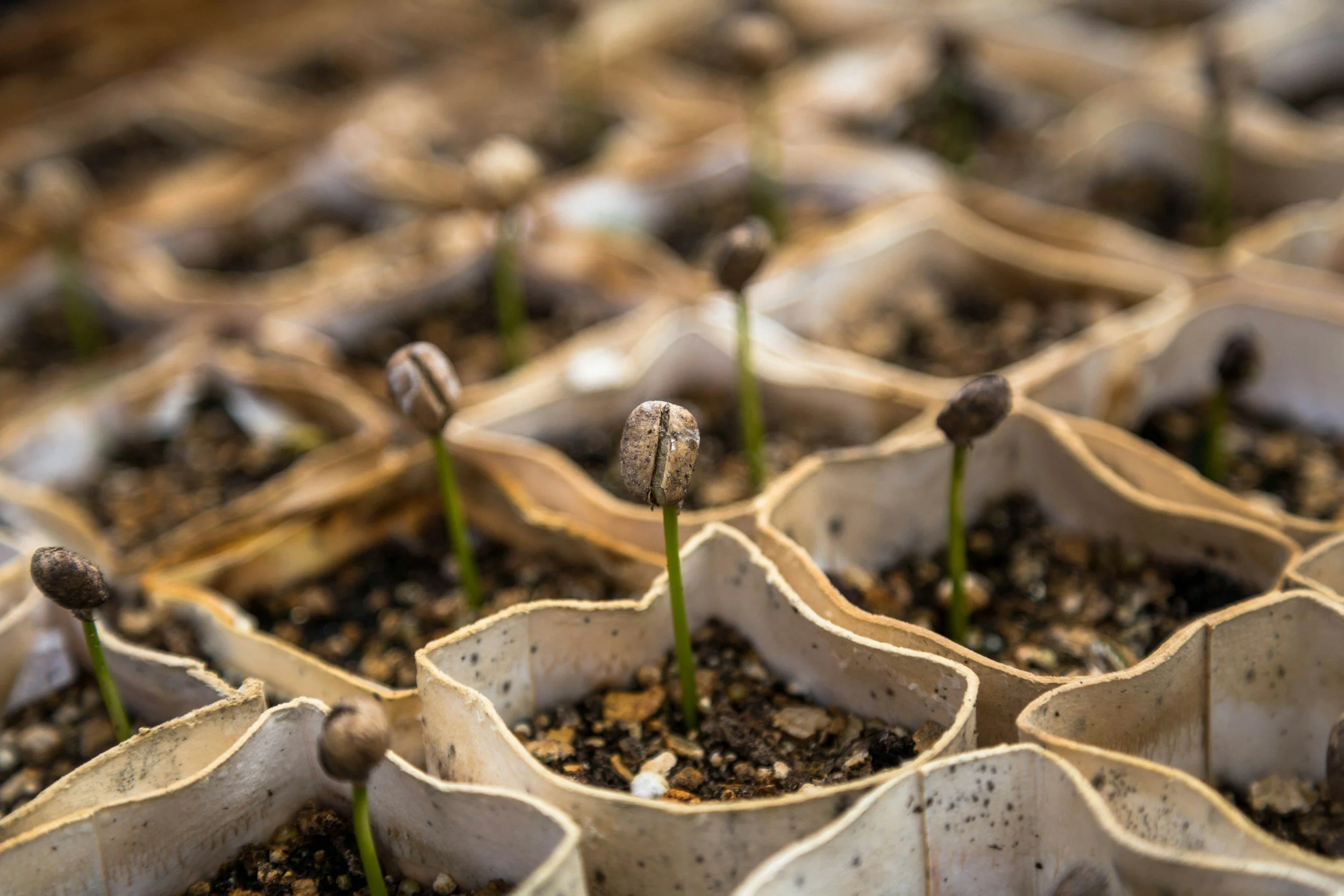
From Bean to Brew: Coffee and Why Quality Matters
Coffee is one of the most chemically complex beverages we consume—rich in antioxidants, bioactive compounds, and aroma molecules. Its health effects and flavor depend heavily on where it’s grown, how it’s processed and roasted, and how fresh it is when brewed.
This deeper dive explores:
How growing conditions and processing affect coffee chemistry
Why freshness and roast matter more than brand
What research shows about antioxidants, caffeine, and decaf methods
Practical ways to choose higher-quality coffee
Let’s start at the foundation: the bean.
Growing Conditions: Terroir Shapes the Cup
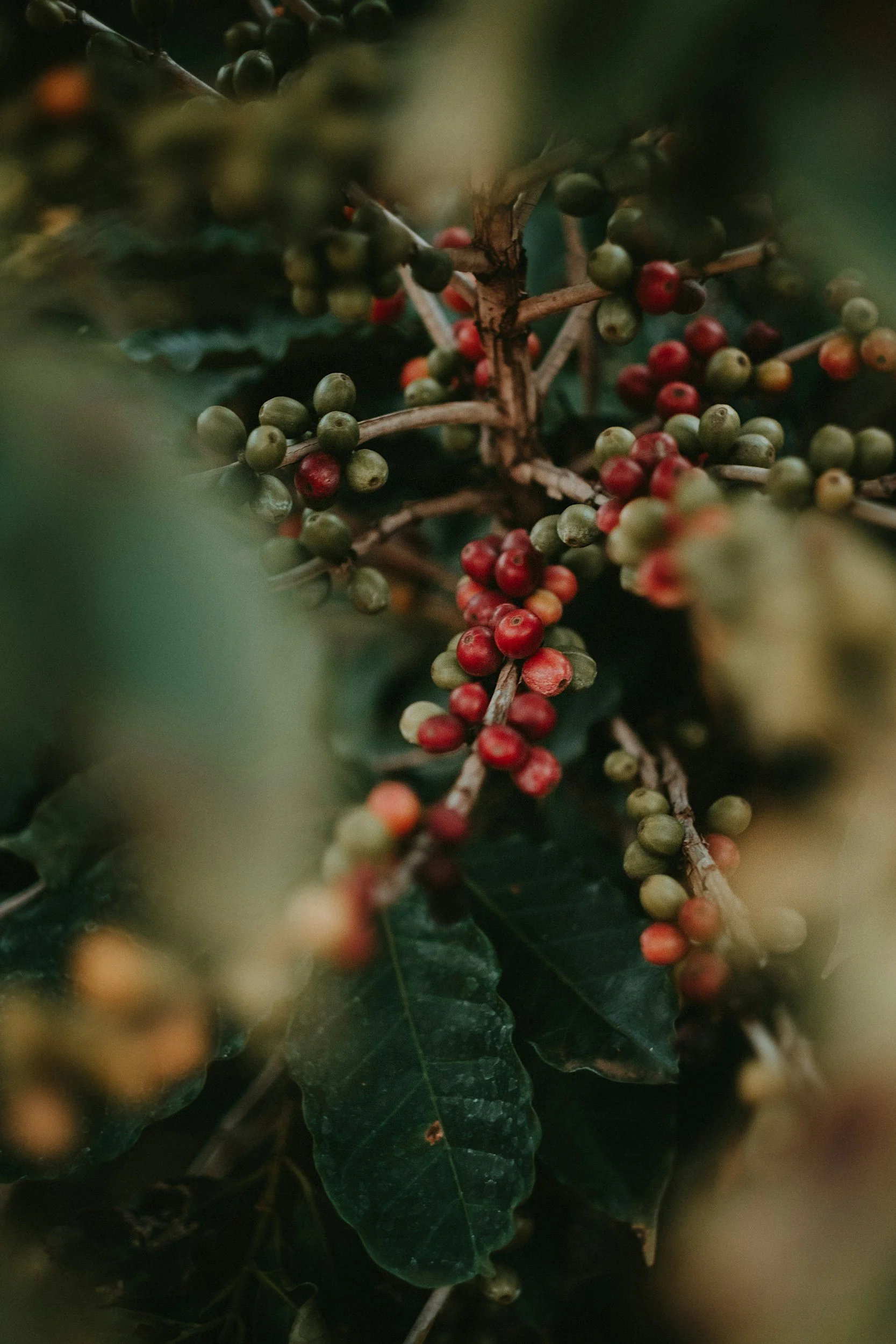
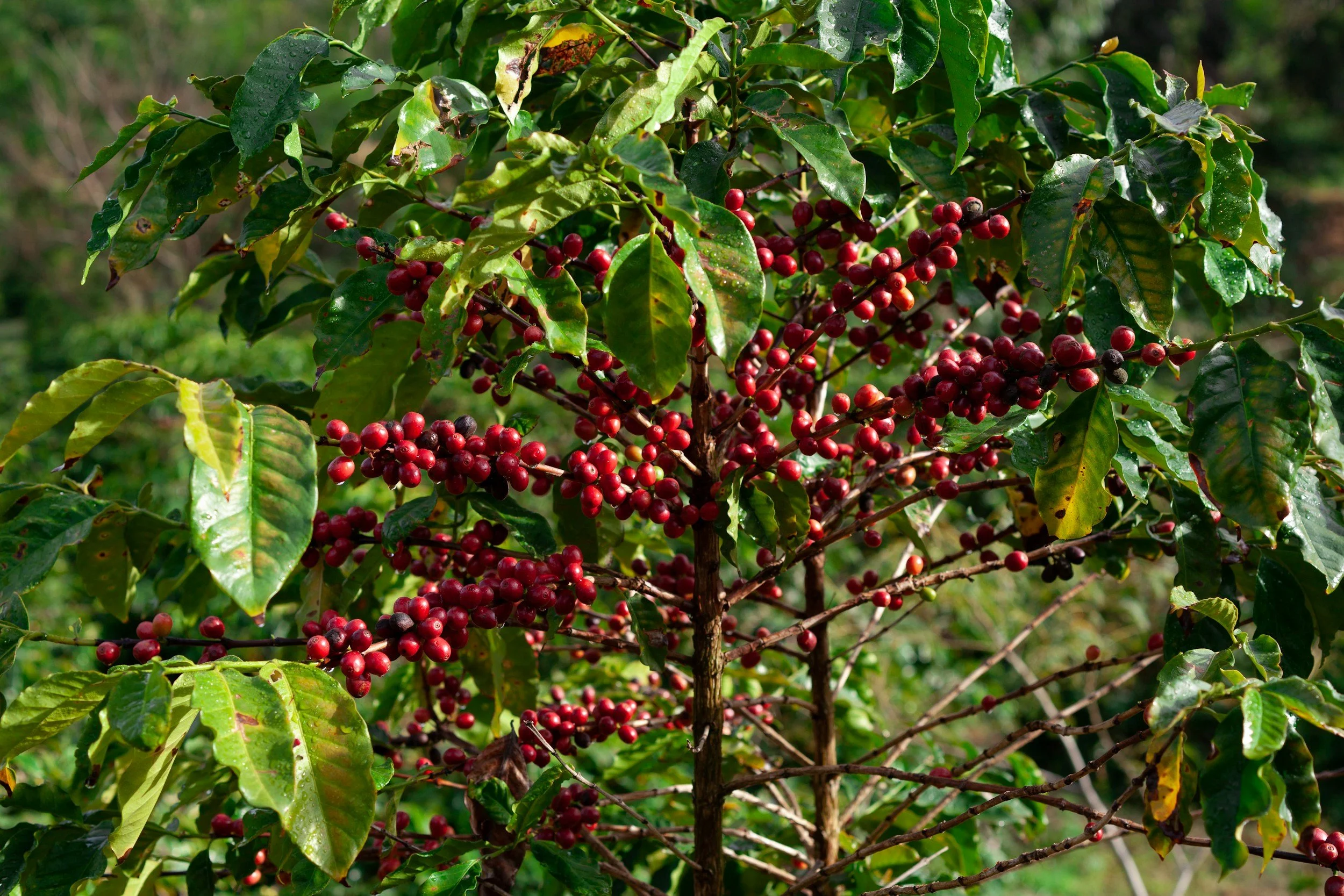
Coffee quality begins on the farm. Altitude, soil health, rainfall, and shade influence bean development and chemical composition.
High-quality coffee is typically:
Grown at higher elevations (slower maturation = more complex flavor)
Cultivated in mineral-rich, biologically active soils
Shade-grown, which supports biodiversity and bean quality
Environmental stress and poor soil health can reduce antioxidant content and increase bitterness.
Processing After Harvest: Preserving the Bean
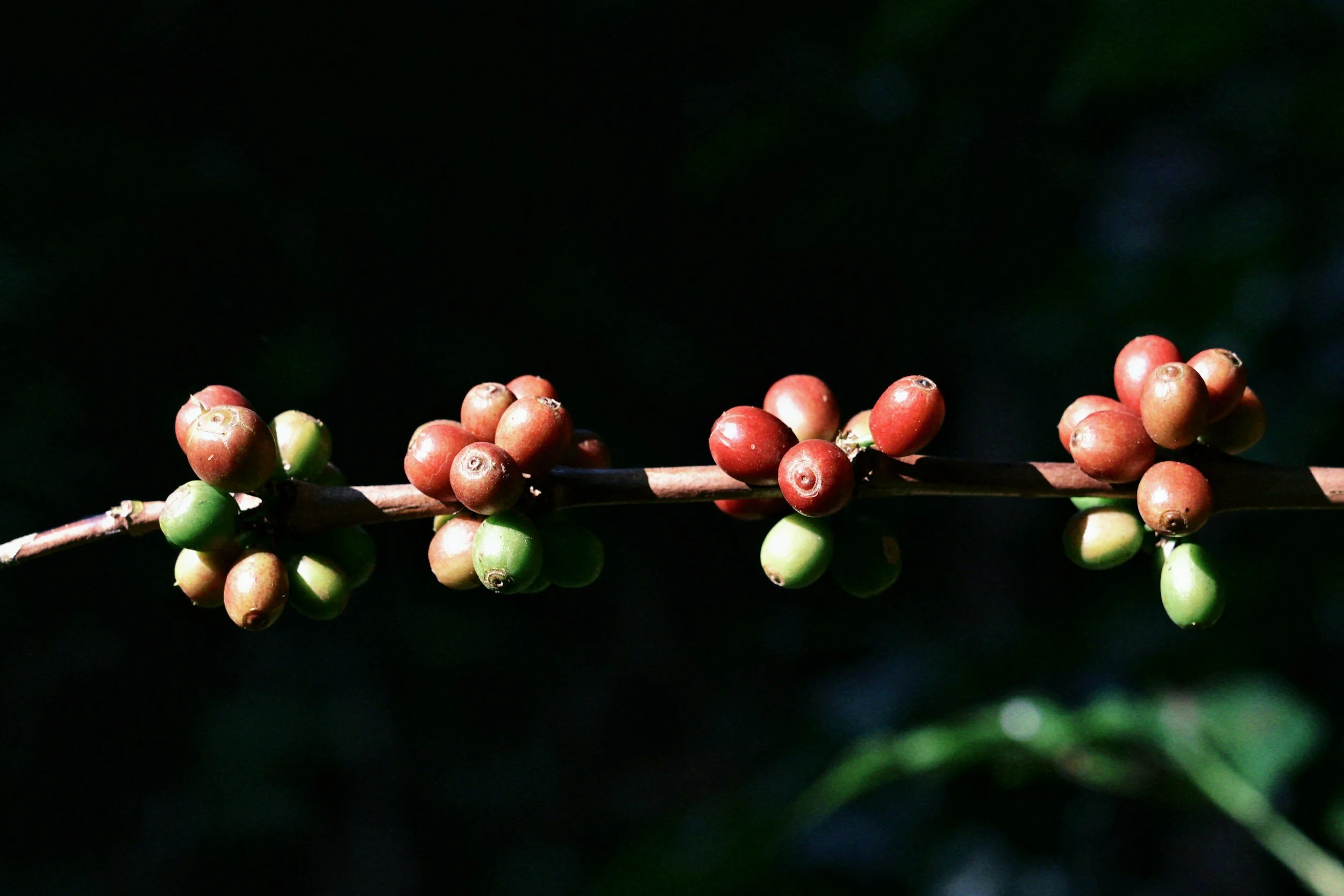
Once picked, coffee cherries must be processed quickly.
Common methods:
Washed (wet): cleaner, brighter acidity
Natural (dry): fruitier, heavier body
Honey: balanced sweetness and complexity
Poor processing or prolonged fermentation can lead to mold growth and off-flavors, underscoring the importance of transparent sourcing and quality control.
Roasting: Flavor vs. Bioactives
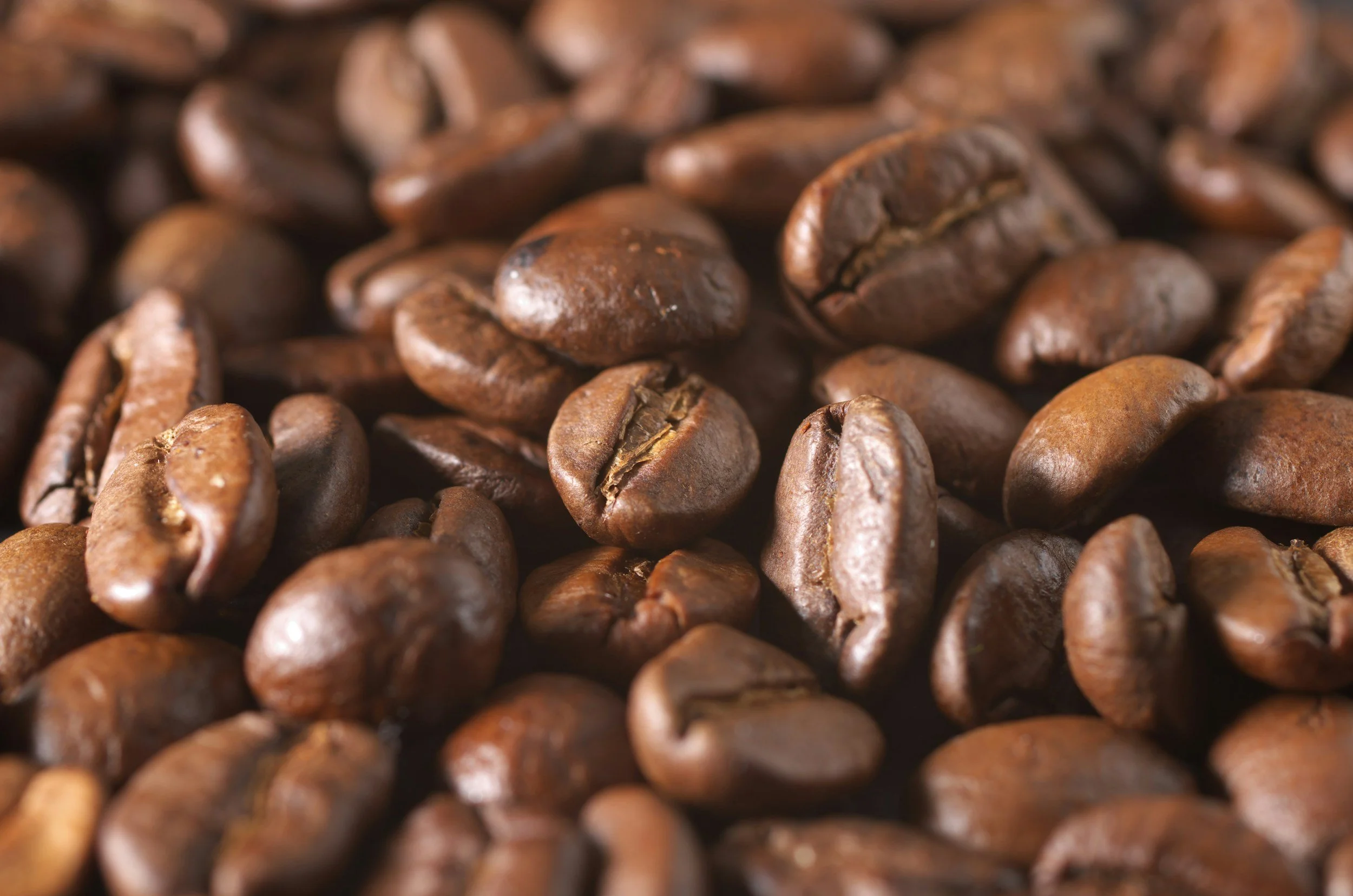
Roasting transforms green coffee into the aromatic beans we recognize—but it also changes nutrient content.
Light to medium roasts retain more chlorogenic acids (potent antioxidants)
Dark roasts lose more antioxidants but develop stronger bitterness and smoky notes
Studies show that chlorogenic acid content decreases significantly with darker roasting.
https://doi.org/10.1016/j.foodchem.2013.02.063
Freshness: The Most Overlooked Factor
Coffee is best consumed shortly after roasting.
Fresh coffee:
Retains volatile aroma compounds
Preserves antioxidant integrity
Produces better flavor with less bitterness
Oxidation begins immediately after roasting. Pre-ground coffee oxidizes fastest.
Research confirms that coffee aroma and antioxidant quality decline rapidly with storage and grinding.
https://doi.org/10.1016/j.foodchem.2015.09.086
Coffee & Health
Health effects of coffee can be confusing and often vary depending on the consumer.
Regular coffee consumption has been associated with:
Reduced risk of type 2 diabetes
Lower cardiovascular and all-cause mortality
Neuroprotective effects
A large umbrella review found consistent associations between moderate coffee intake and reduced risk of several chronic diseases.
https://doi.org/10.1136/bmj.j5024
These benefits appear tied to polyphenols—not sugar- or cream-heavy coffee drinks.
Decaf: Process Matters
Decaffeination methods differ widely.
Prefer:
Swiss Water Process
Mountain Water Process
These methods:
Avoid chemical solvents
Better preserve antioxidants
Solvent-based decaf methods may leave residues and reduce beneficial compounds.
https://doi.org/10.1016/j.foodchem.2014.05.019
Mold, Mycotoxins & Quality Control
Low-quality coffee may contain mold byproducts (e.g., ochratoxin A), especially when:
Beans are poorly stored
Processing is rushed
Quality control is weak
Reputable roasters test for contaminants and source from farms with good post-harvest practices.
Brewing & Water Quality
Extraction matters:
Use freshly ground beans
Match grind size to brew method
Avoid over-extraction (bitterness)
Water quality also affects flavor and extraction—filtered water improves consistency and taste.
Putting This Science Into Practice
When choosing coffee:
✔ Buy whole beans, not pre-ground
✔ Look for a roast date, not just an expiration date
✔ Choose single-origin or transparent blends
✔ Prefer light–medium roasts for antioxidant content
✔ Grind just before brewing
✔ Choose Swiss Water or Mountain Water for decaf
✔ Store beans airtight, away from heat and light (not the fridge)
Summary: Coffee Is an Agricultural Product, Not a Commodity
Coffee’s health effects and flavor depend on soil, altitude, processing, roasting, and freshness. High-quality, freshly roasted beans retain antioxidants and complex flavors that mass-produced coffee often loses. When sourced thoughtfully and brewed with intention, coffee becomes more than a stimulant—it becomes a biologically active, plant-derived beverage that reflects both land stewardship and craftsmanship.