Grains & Bread
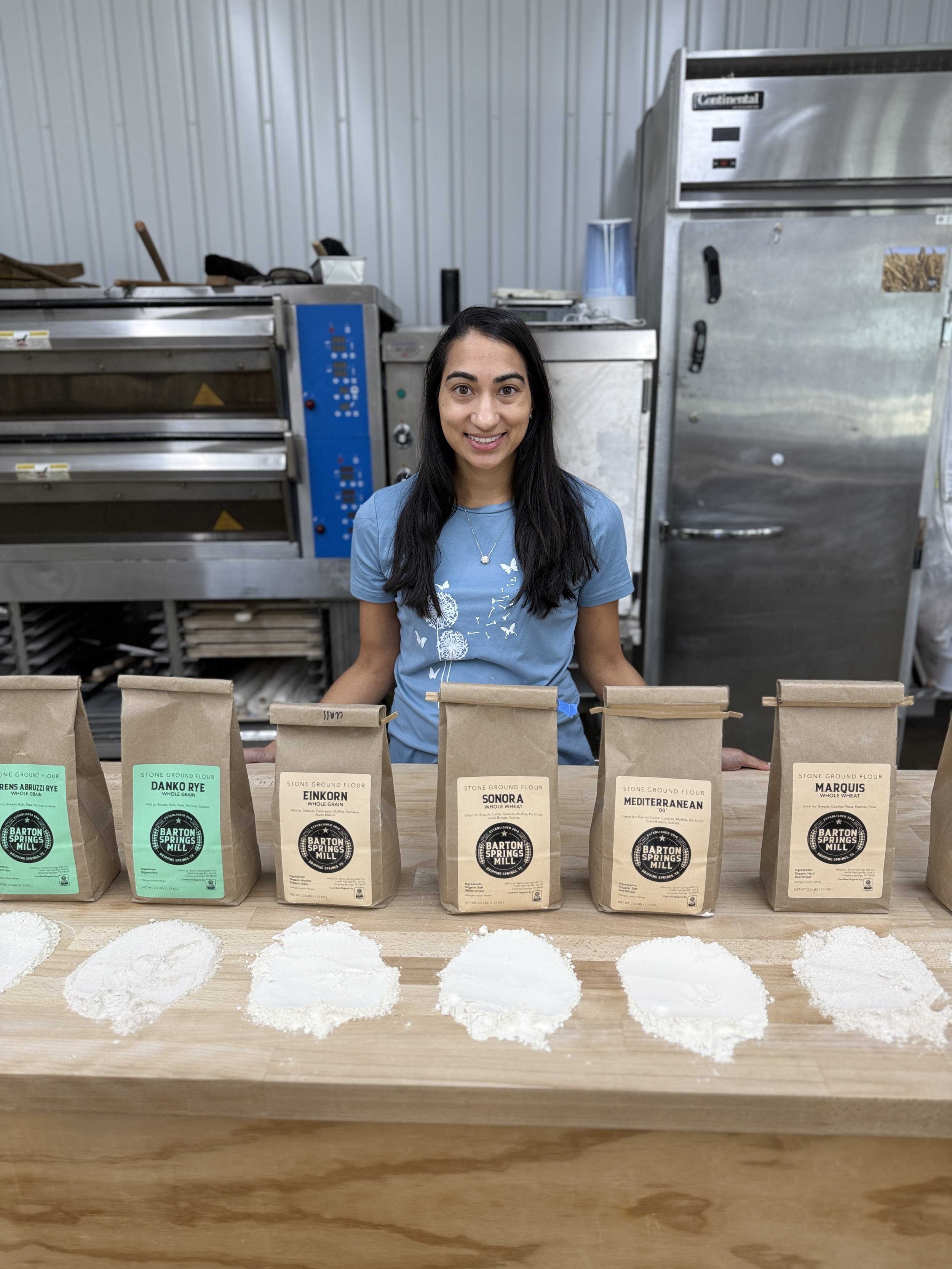
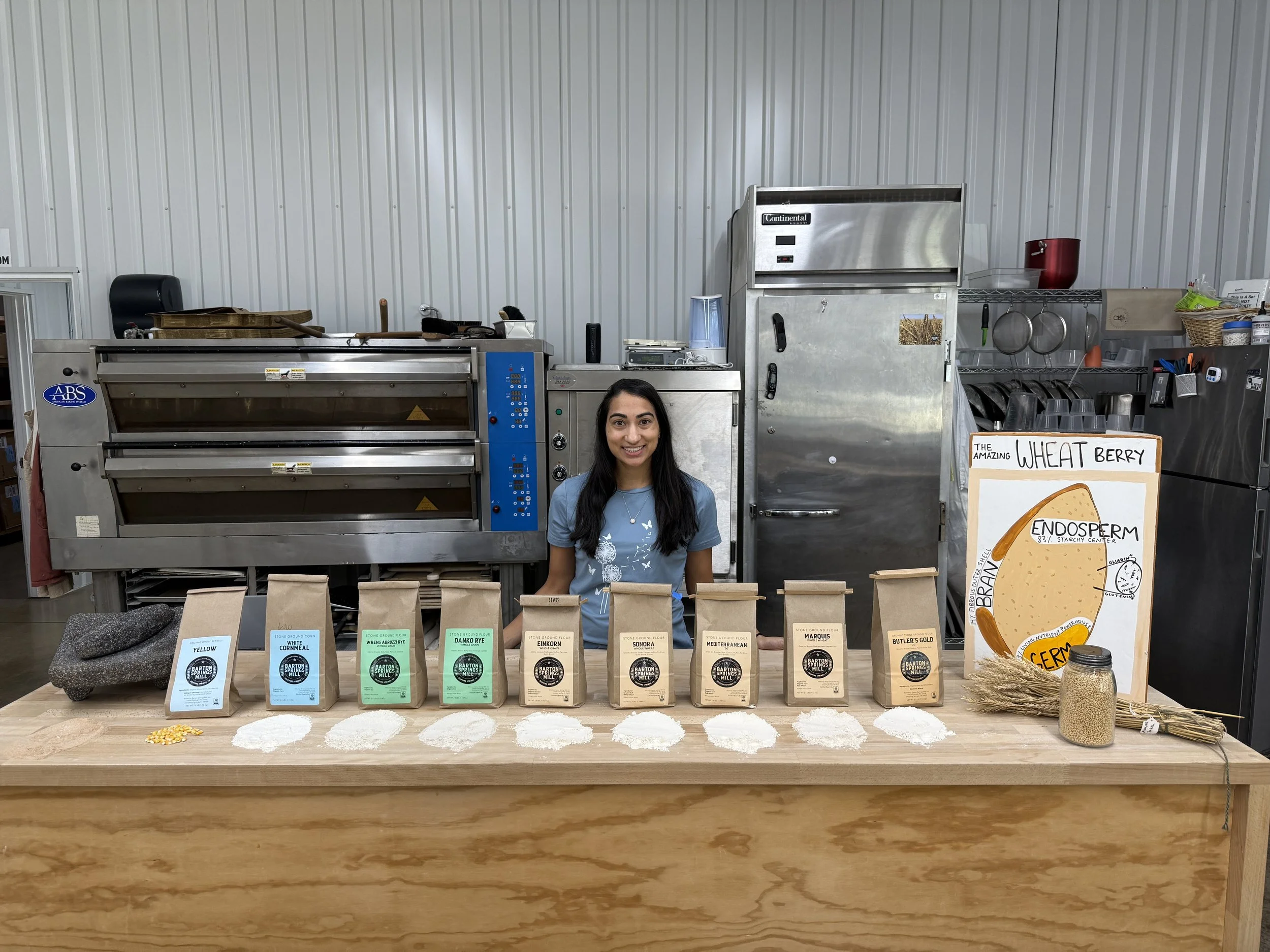
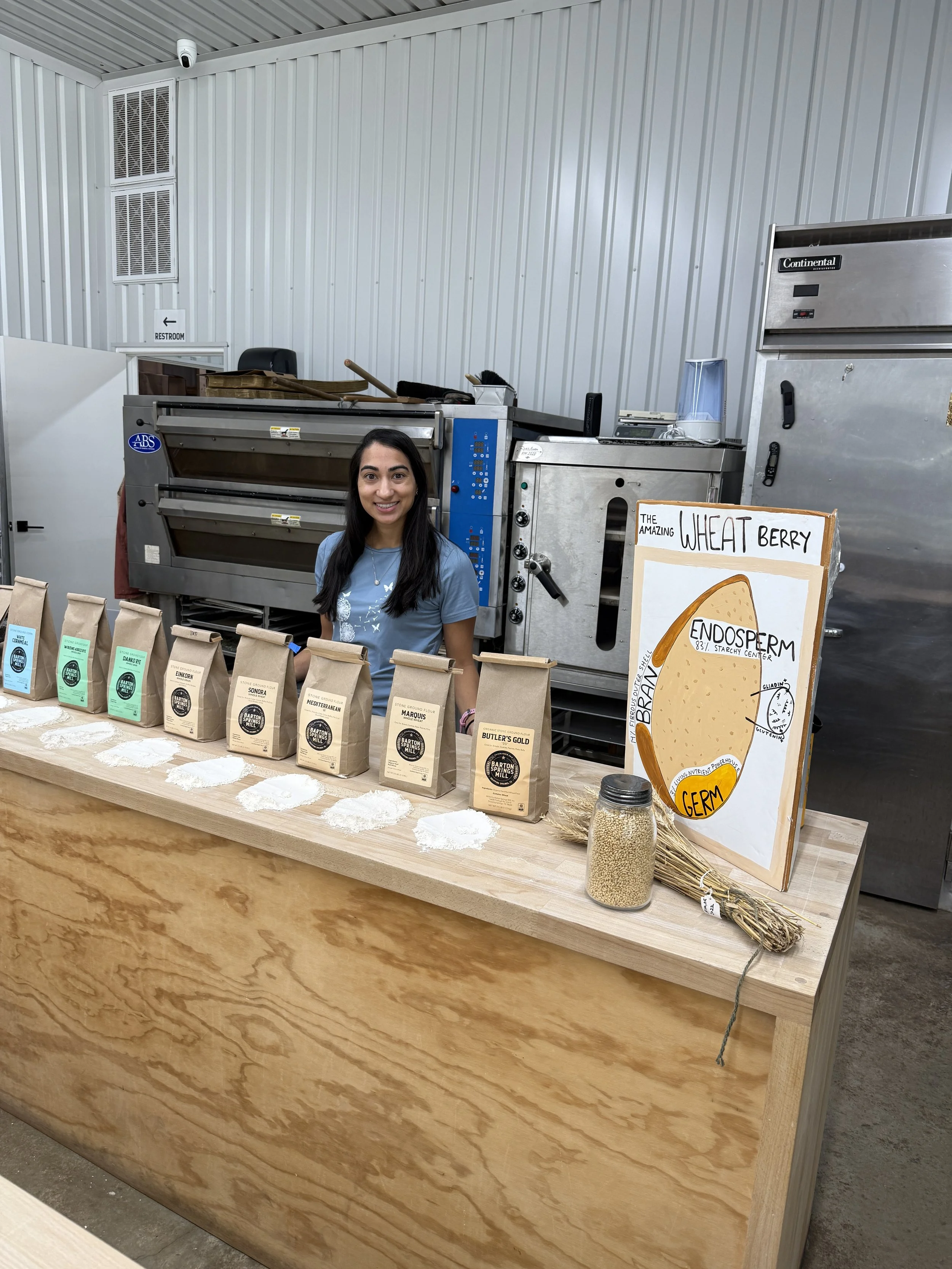
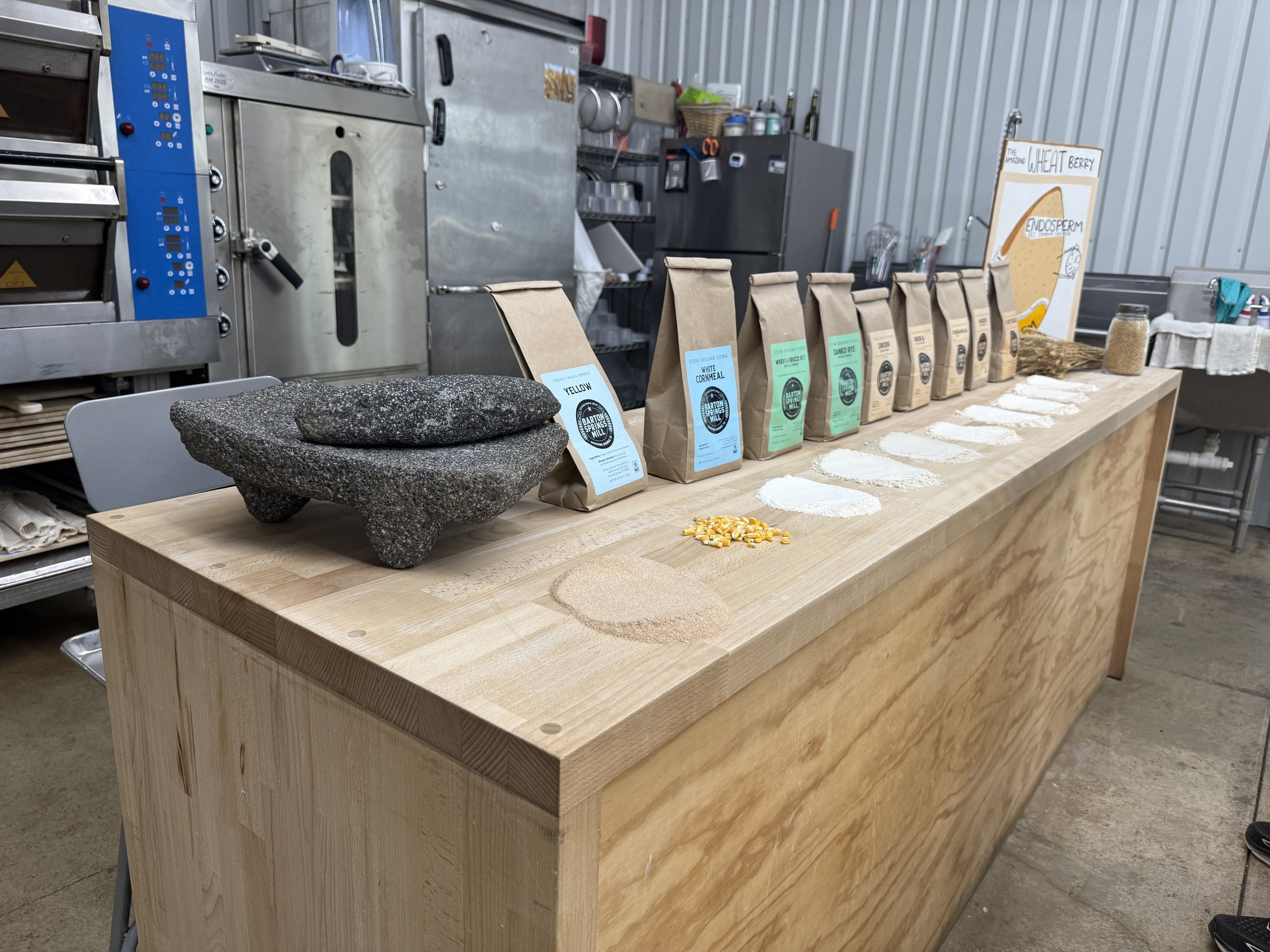
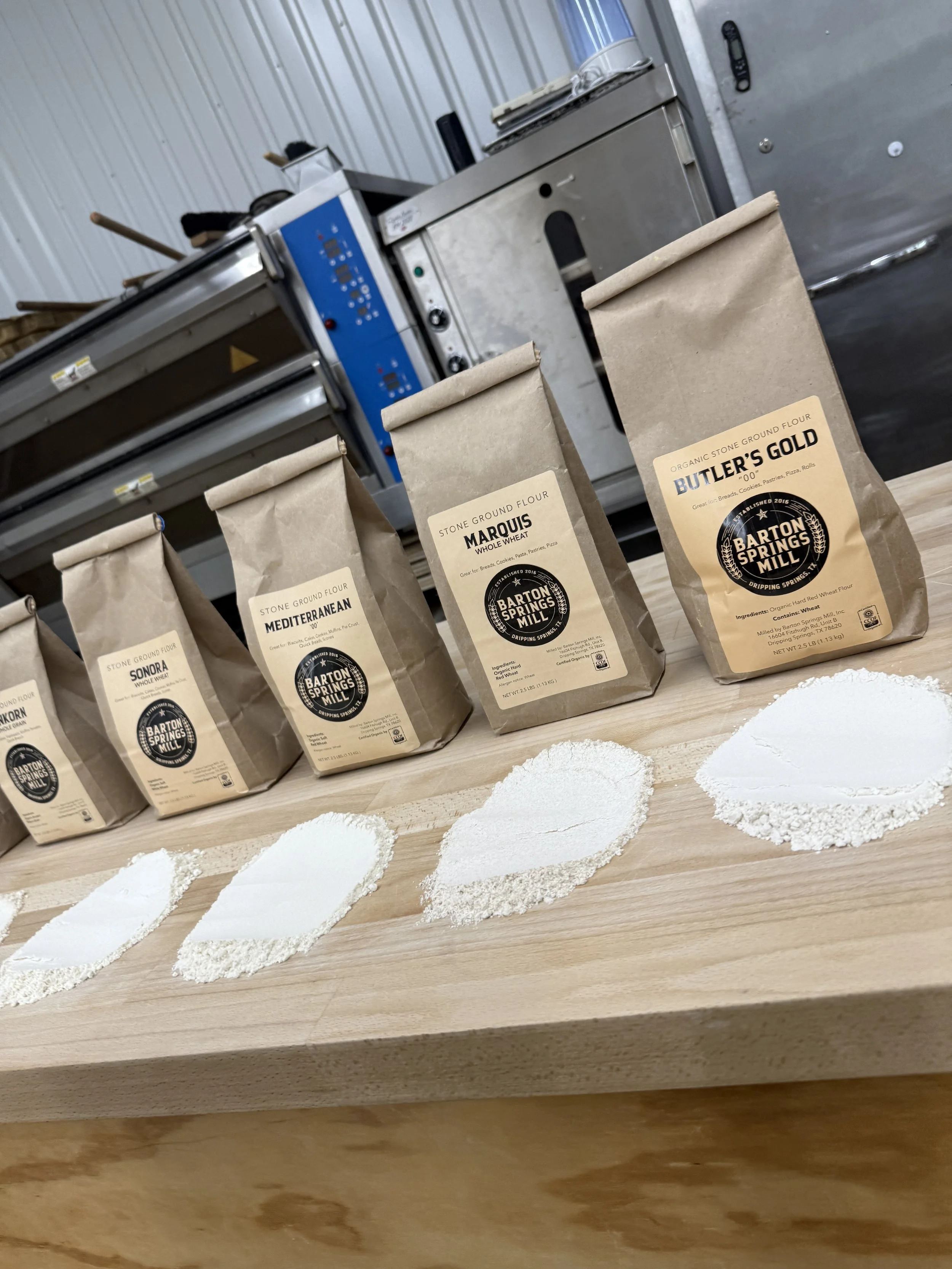
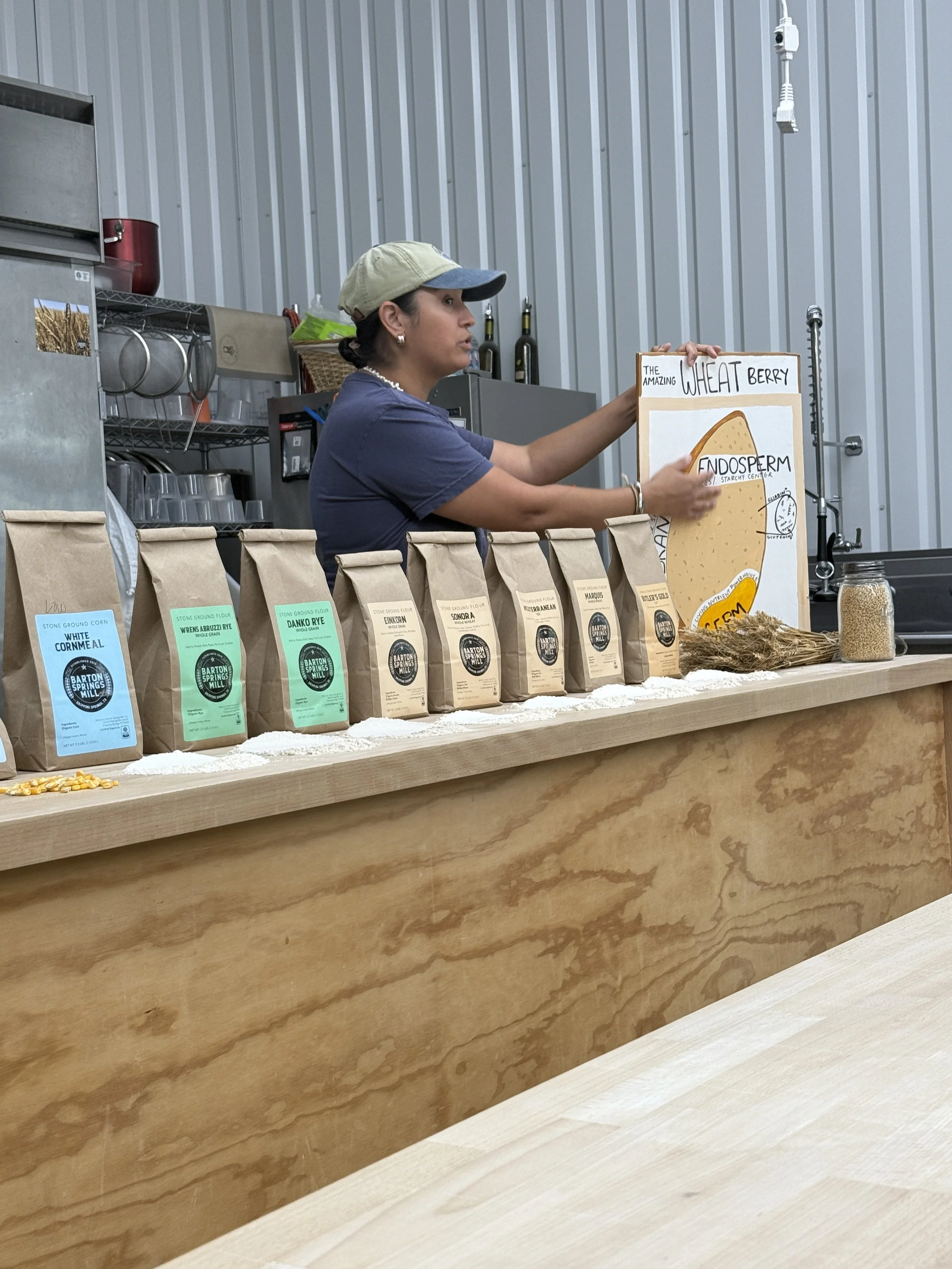
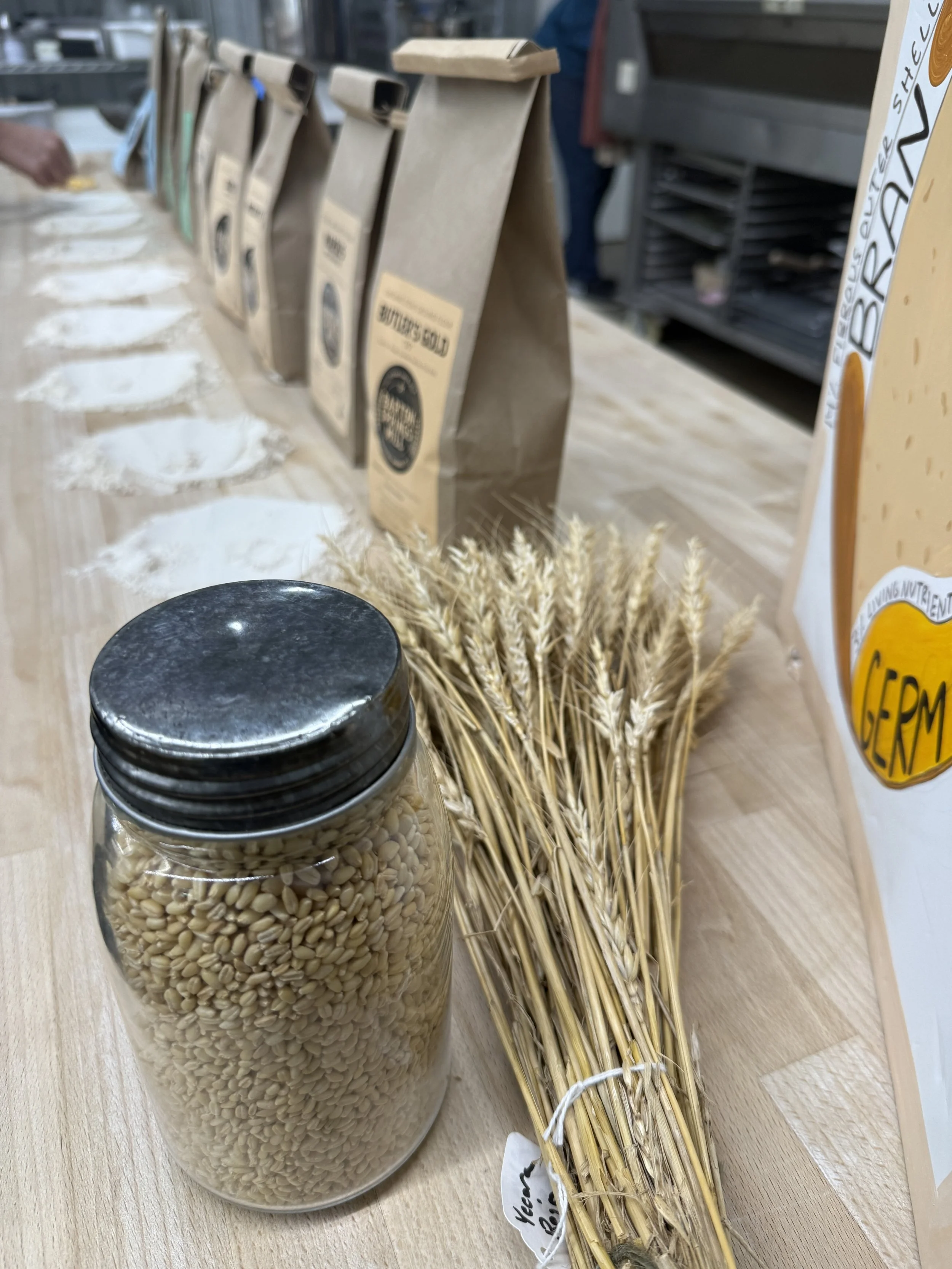
Buy whole, freshly stone milled grains or flours. Store in the freezer to preserve natural oils.
Whole grains are most nourishing when they’re freshly milled, minimally processed, free from additives, and stored properly — ideally in the freezer. While refined grains like white flour are valued for their long shelf life and specific baking textures, they lose most of their fiber, vitamins, and minerals during processing. In contrast, whole grains retain their bran and germ, offering more nutrients but also a shorter shelf life due to their natural oils. These oils can turn rancid if not stored correctly.
💡 Choose whole, intact grains such as farro, barley, oats, or brown rice when possible. If buying flour, look for whole wheat, fresh-milled, or stone-ground varieties with no added ingredients. Freshly milled whole wheat flour lasts about 3 months in the pantry — or up to 6–12 months if stored in an airtight container in the freezer. For maximum nutrition and flavor, buy in small batches and use promptly.
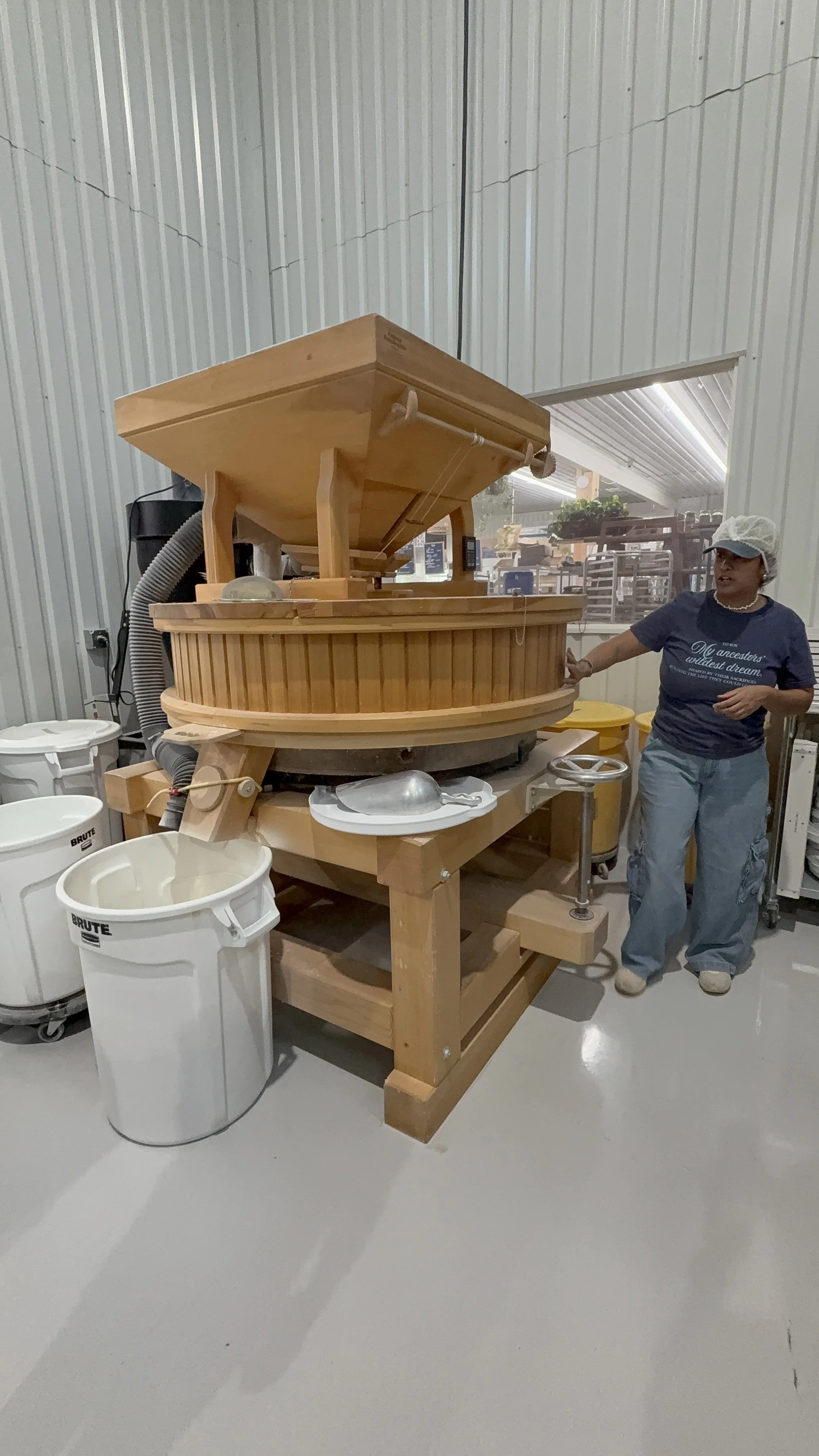
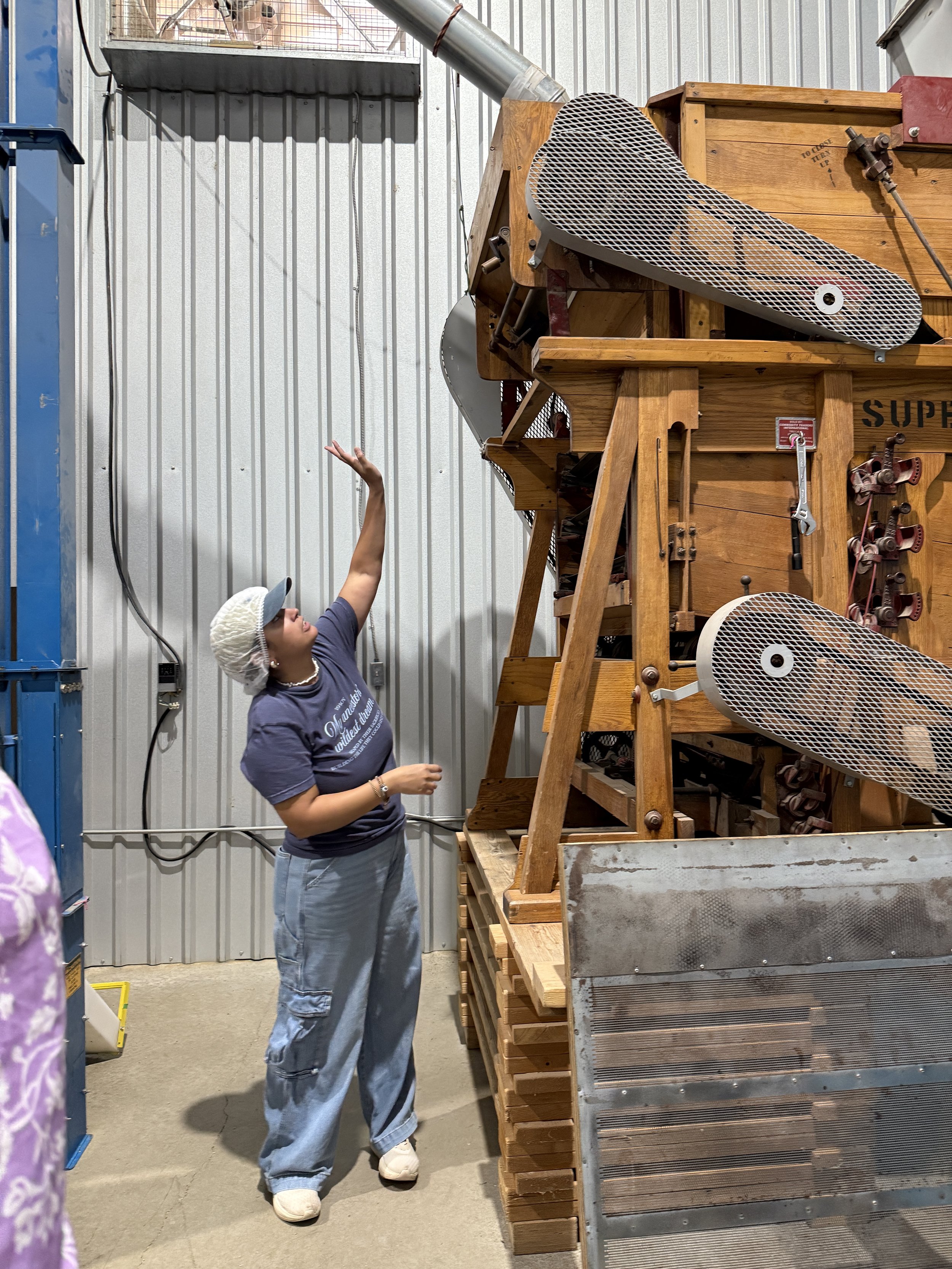
From Field to Loaf: Grains & Bread and Why Quality Matters
Grains and bread can be deeply nourishing—or highly depleting—depending on how they’re grown, processed, and prepared. The difference starts in the field, continues through milling, and finishes in fermentation (or the lack of it).
This deeper dive explores:
How soil health and grain variety influence nutrient quality
The impact of modern milling and processing
Why fermentation (especially sourdough) matters
Practical ways to choose higher-quality grains and bread
Let’s start at the foundation: the grain itself.
Soil, Variety & Grain Quality
Grains are seeds, designed to store nutrients to support new plant growth. Their mineral and protein content depends heavily on the soil they were grown in.
Healthy grain-growing soils are characterized by:
Adequate mineral availability (zinc, magnesium, iron)
High soil organic matter
Active microbial life that supports nutrient uptake
Modern industrial grain systems often rely on monocropping and synthetic fertilizers that prioritize yield over mineral density. This can result in grains with:
Lower micronutrient content
Reduced mineral diversity
Poorer protein quality
Studies have shown that soil mineral depletion directly affects the micronutrient content of cereal grains.
https://doi.org/10.1016/j.fcr.2012.06.007
Modern Wheat vs. Traditional & Ancient Grains
Modern wheat has been selectively bred for:
High yield
Short stalks
Compatibility with industrial baking
This breeding focus has altered protein structure and gluten composition, which may affect digestibility for some individuals.
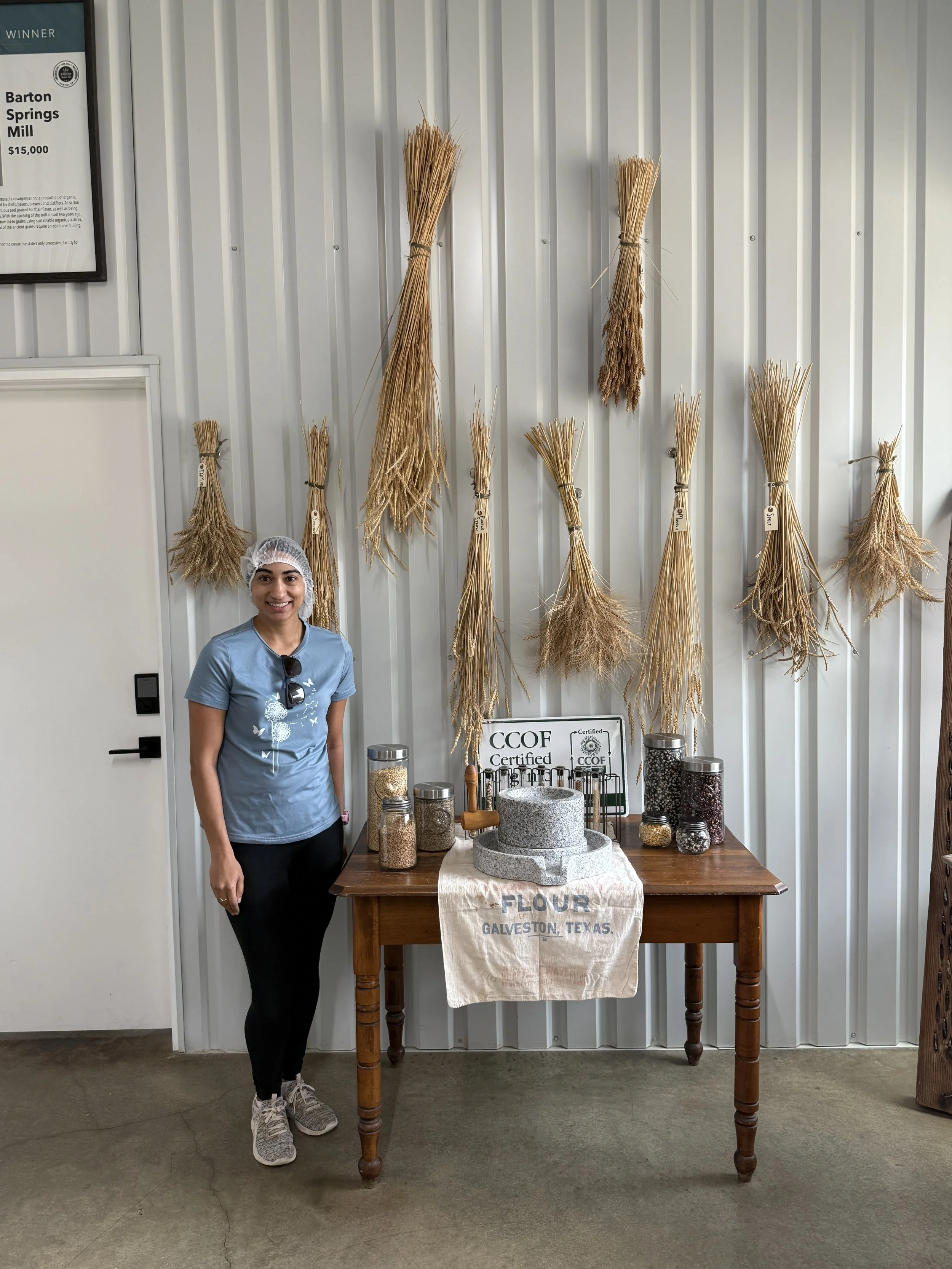
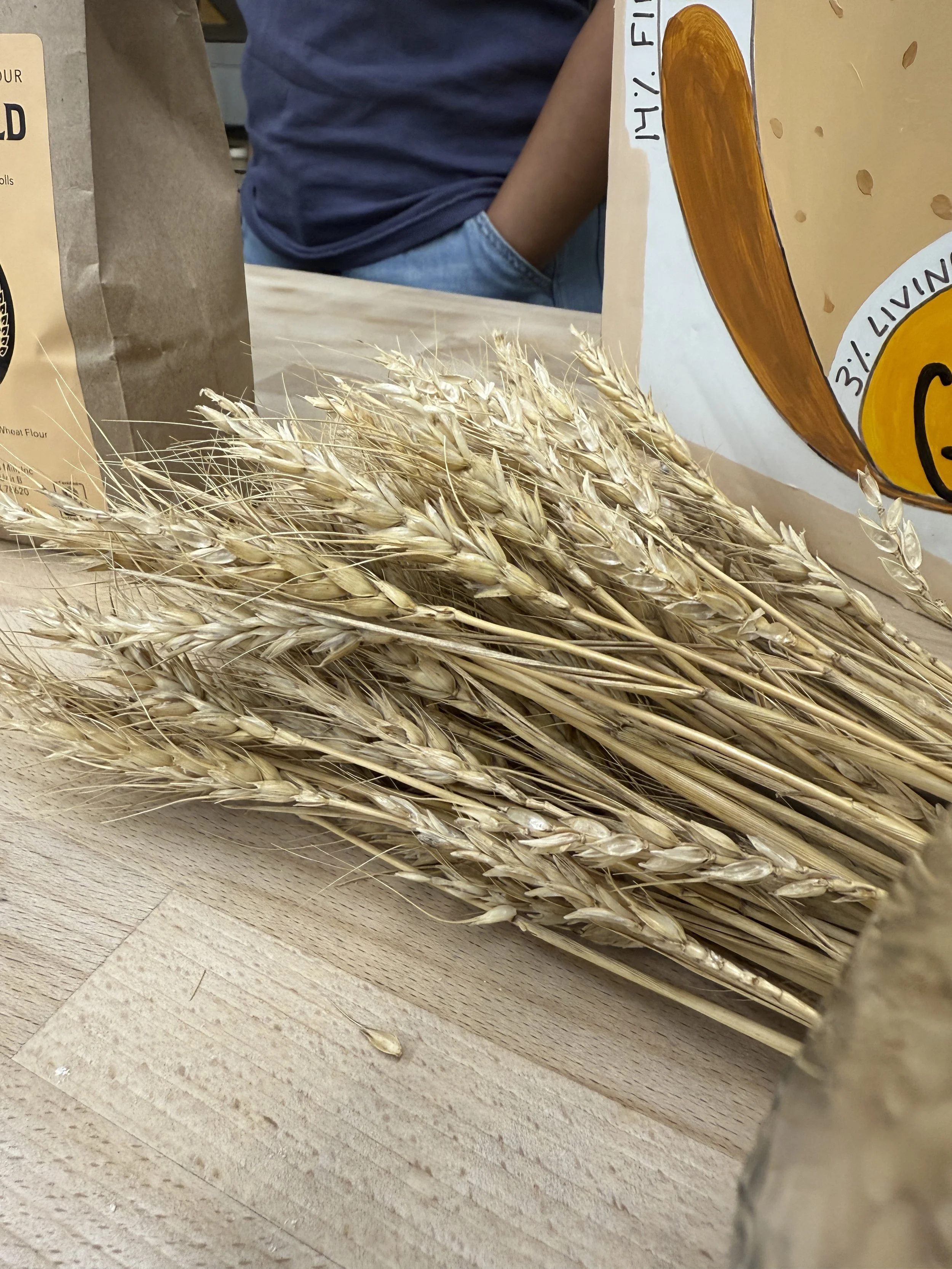
Traditional and ancient grains (such as einkorn, spelt, and emmer):
Often contain simpler gluten structures
May have higher mineral and antioxidant content
Are frequently grown in lower-input systems
A comparative analysis found that ancient wheat varieties contained higher levels of certain micronutrients and antioxidants than modern wheat.
https://doi.org/10.1016/j.jfca.2013.01.003
Milling Matters: Whole, Fresh & Stone-Milled
How grains are milled dramatically affects their nutritional value.
Industrial Roller Milling
Removes the bran and germ
Strips fiber, vitamins, minerals, and healthy fats
Produces shelf-stable but nutrient-poor flour
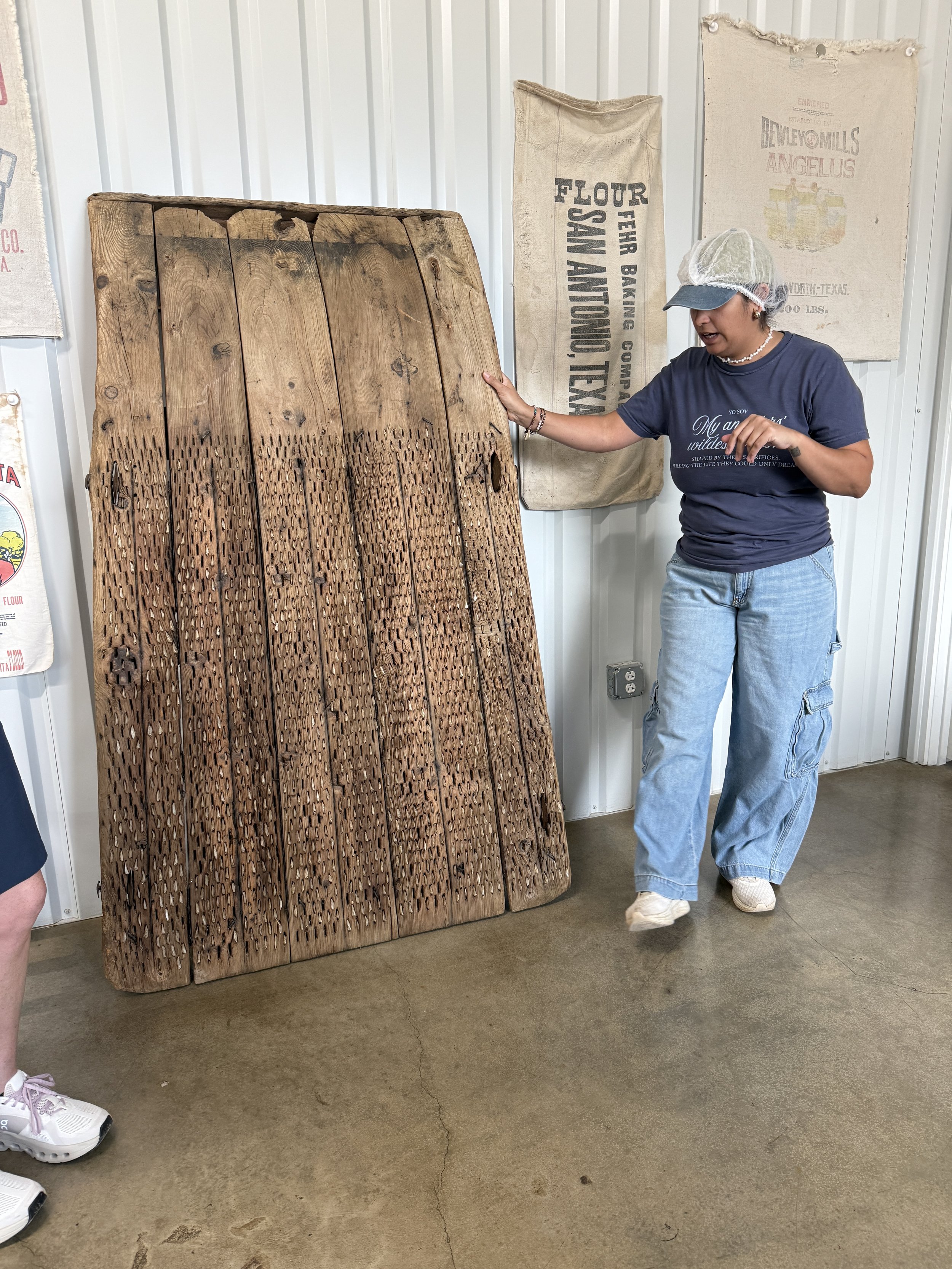
Stone Milling (Traditional)
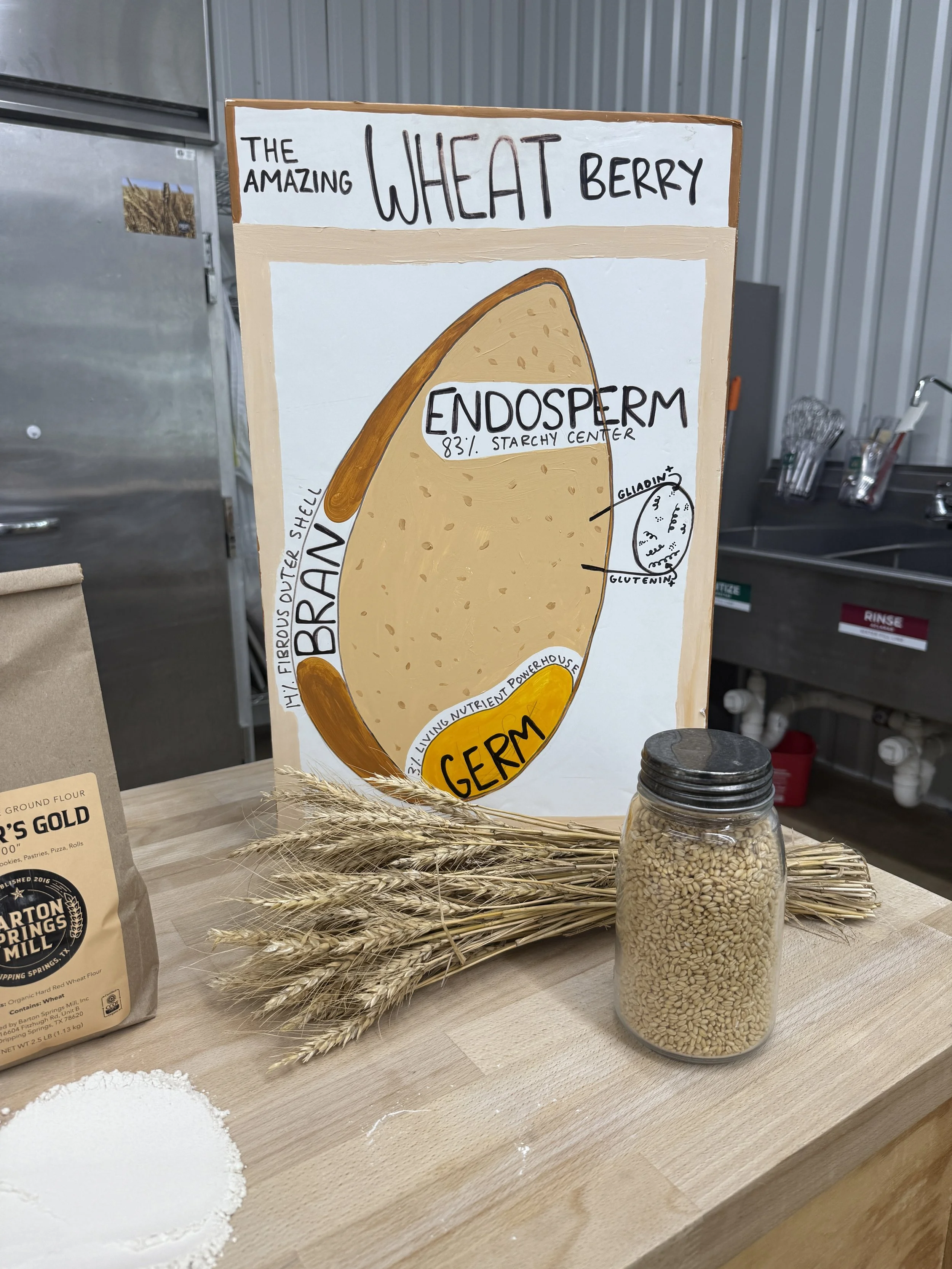
Preserves the whole grain (bran, germ, endosperm)
Retains minerals, fiber, and phytochemicals
Results in flour with a shorter shelf life—but higher nutrition
Freshly milled whole-grain flour has been shown to retain significantly more antioxidants and nutrients than refined flour.
https://doi.org/10.1016/j.foodchem.2014.01.026
Fermentation: The Missing Link in Digestibility
Traditional bread-making relied on long fermentation—especially sourdough. This process transforms grains in ways that modern quick-rise breads do not.
Long fermentation:
Breaks down phytic acid, improving mineral absorption
Partially pre-digests gluten and proteins
Lowers glycemic response
Improves flavor and texture
Research shows that sourdough fermentation significantly reduces phytic acid and improves mineral bioavailability compared with yeast-only bread.
https://doi.org/10.1016/j.jfca.2015.03.003
Bread as a Processed Food (and How to Avoid That)
Many modern breads are ultra-processed products made with:
Refined flour
Added sugars and seed oils
Dough conditioners and preservatives
These products behave more like fast carbohydrates than traditional staple foods.
Higher-quality bread typically has:
Whole or freshly milled grain flour
Long fermentation (often sourdough)
Minimal ingredients (flour, water, salt, starter)
Putting This Science Into Practice
When choosing grains and bread:
✔ Choose whole, intact grains (farro, barley, oats, brown rice)
✔ Look for stone-milled or freshly milled flour
✔ Prefer sourdough or long-fermented bread
✔ Try ancient or heritage grain varieties
✔ Store whole grains and flours properly (airtight, cool, freezer for long-term)
Summary: Grains Are Only as Good as Their Roots & Preparation
Grain quality is shaped by soil health, crop variety, milling method, and fermentation. Whole, well-grown grains retain more minerals and protective compounds, while traditional milling and fermentation dramatically improve nutrient availability and digestibility. Choosing thoughtfully grown and traditionally prepared grains turns bread from a refined filler into a nourishing staple—one rooted in both soil health and human biology.