Chicken & Eggs
Look for pasture-raised, organic chicken. The better the bird lives, the better it nourishes.
The quality of chicken is shaped by how the bird lived: what it ate, how much space it had, and whether it was treated with antibiotics or hormones. Conventionally raised chicken often contains remnants of these inputs, while pasture-raised, organically fed chickens tend to have healthier fat profiles and better texture. Chickens on a regenerative farm take it a step further eating pasture with higher nutrient complexity from the soil.
💡Look for third-party certifications like Animal Welfare Approved or USDA Organic. Cook to 165°F internal temperature, marinate before cooking to enhance both flavor and nutrient availability. Thaw chicken safely by defrosting it in the fridge (or — if you need to move fast — submerging it in cold water), never on the counter as this promotes bacterial overgrowth and increases chances of cross contamination.

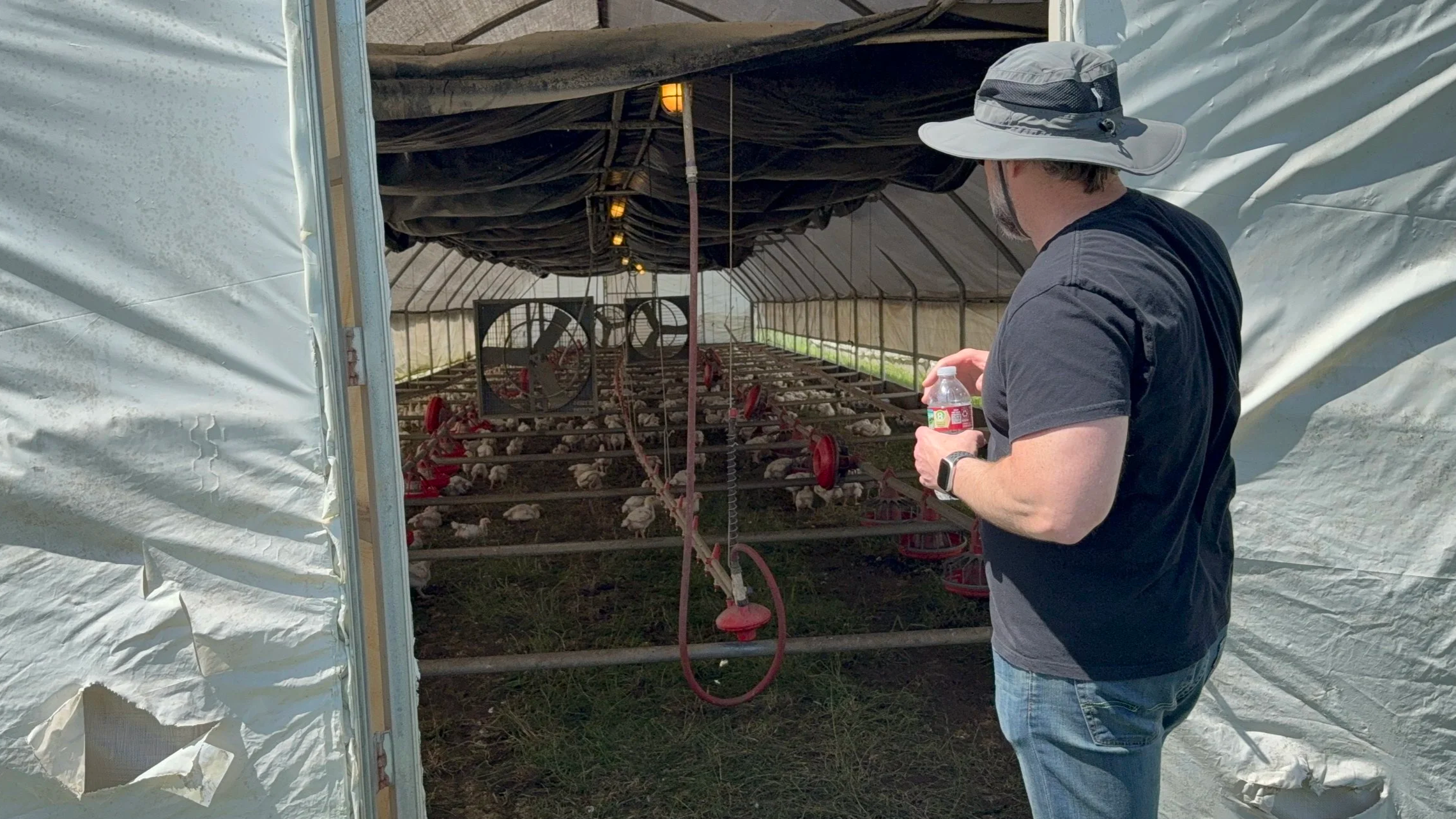
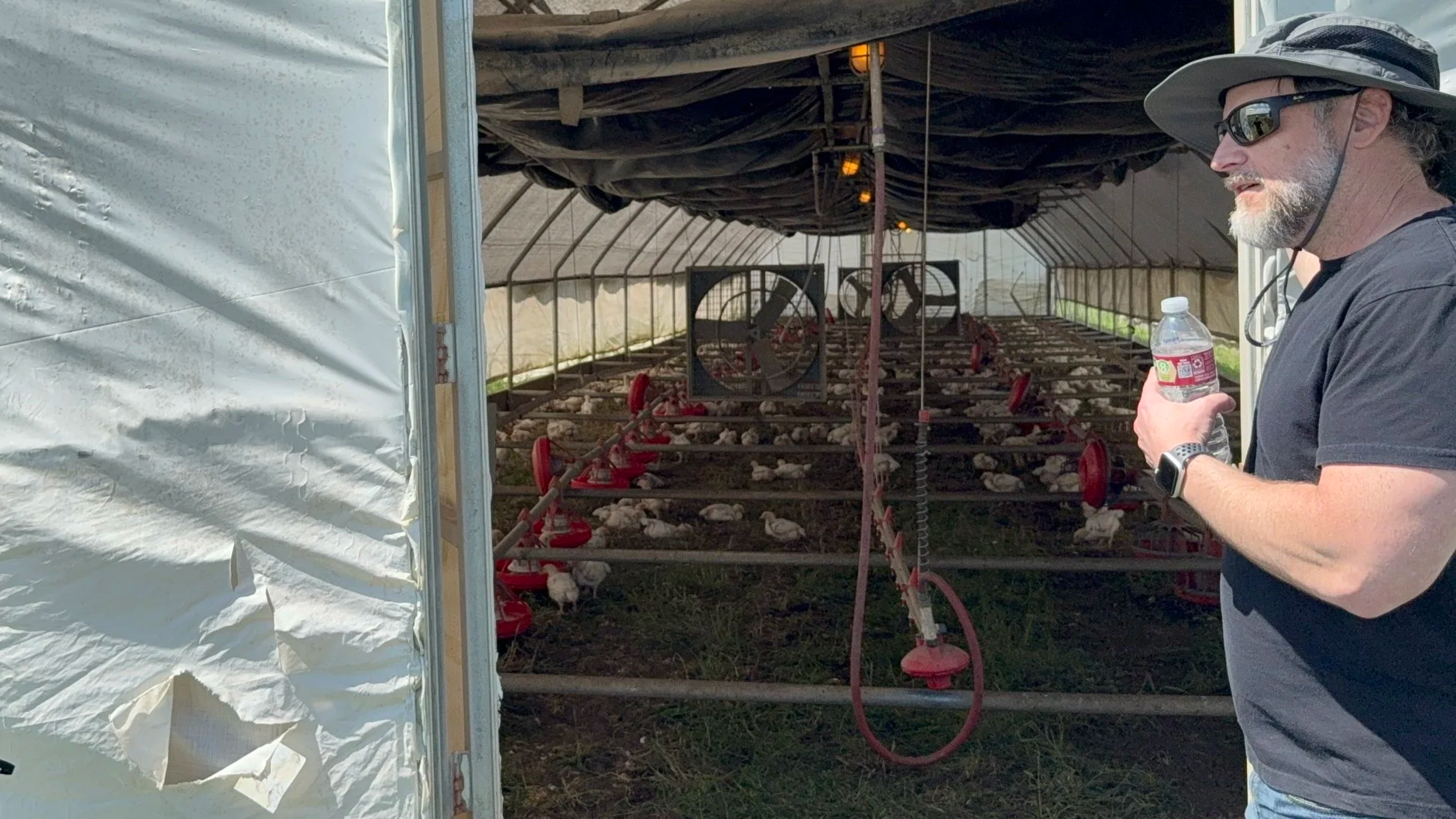
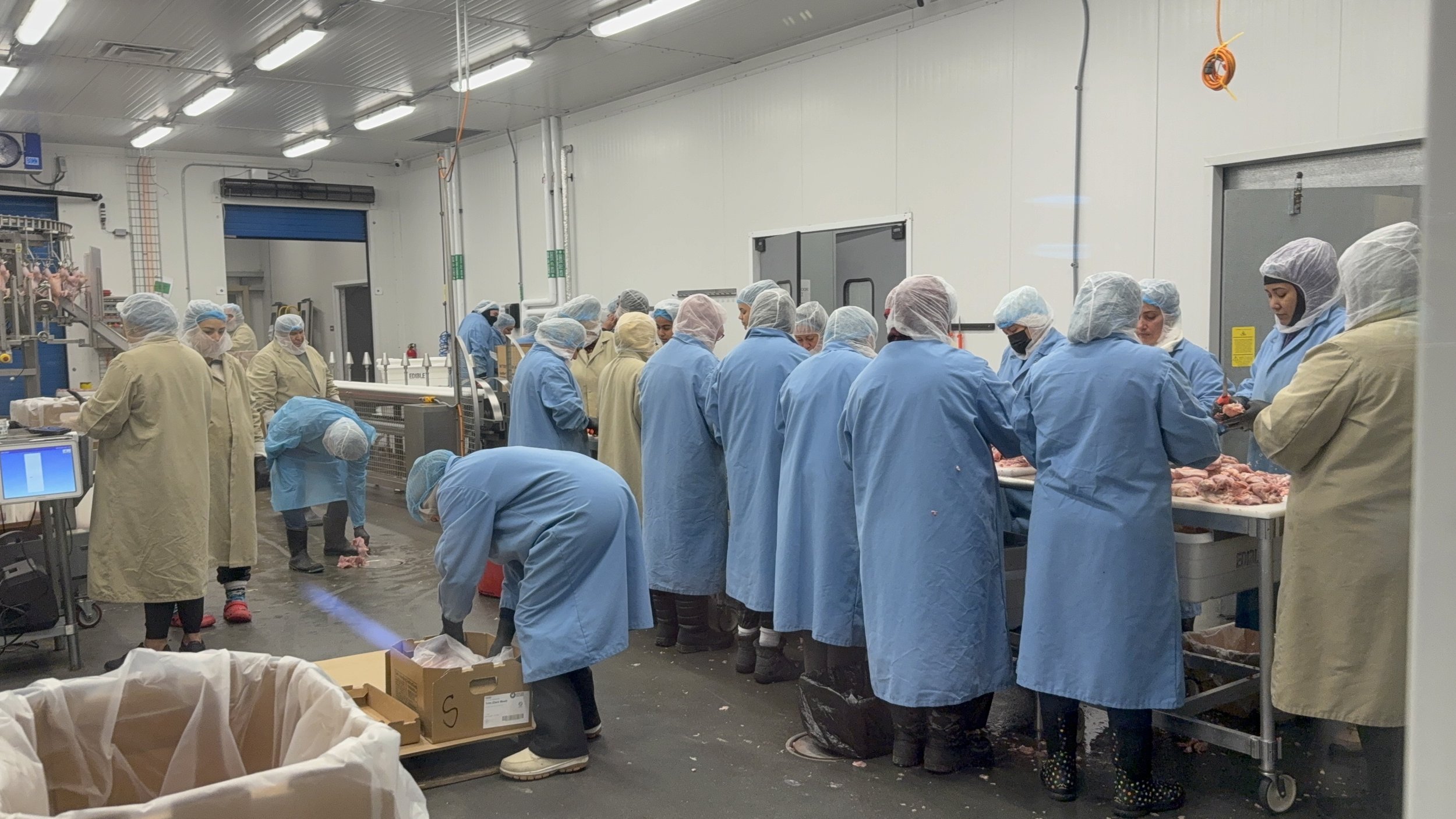
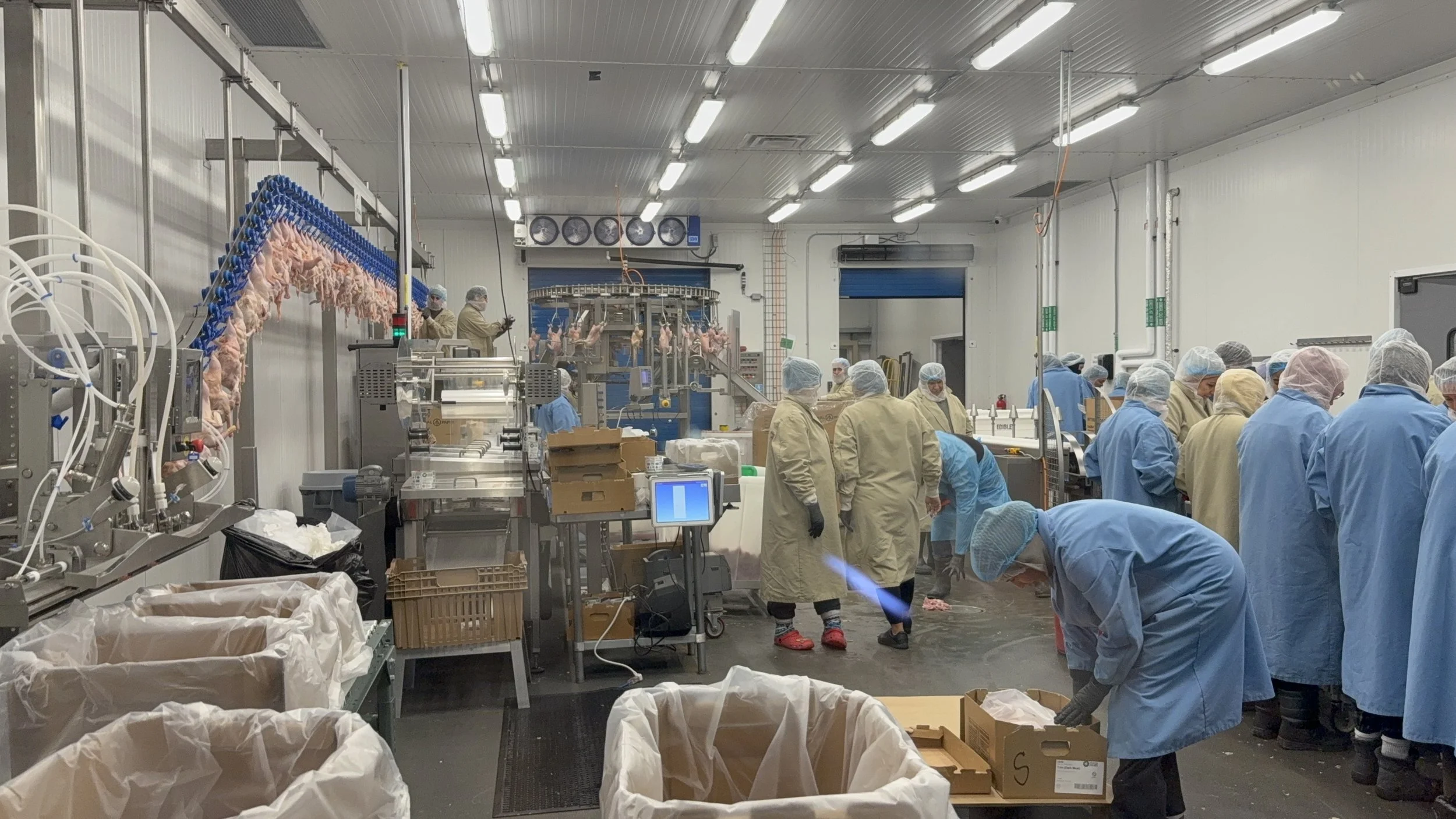

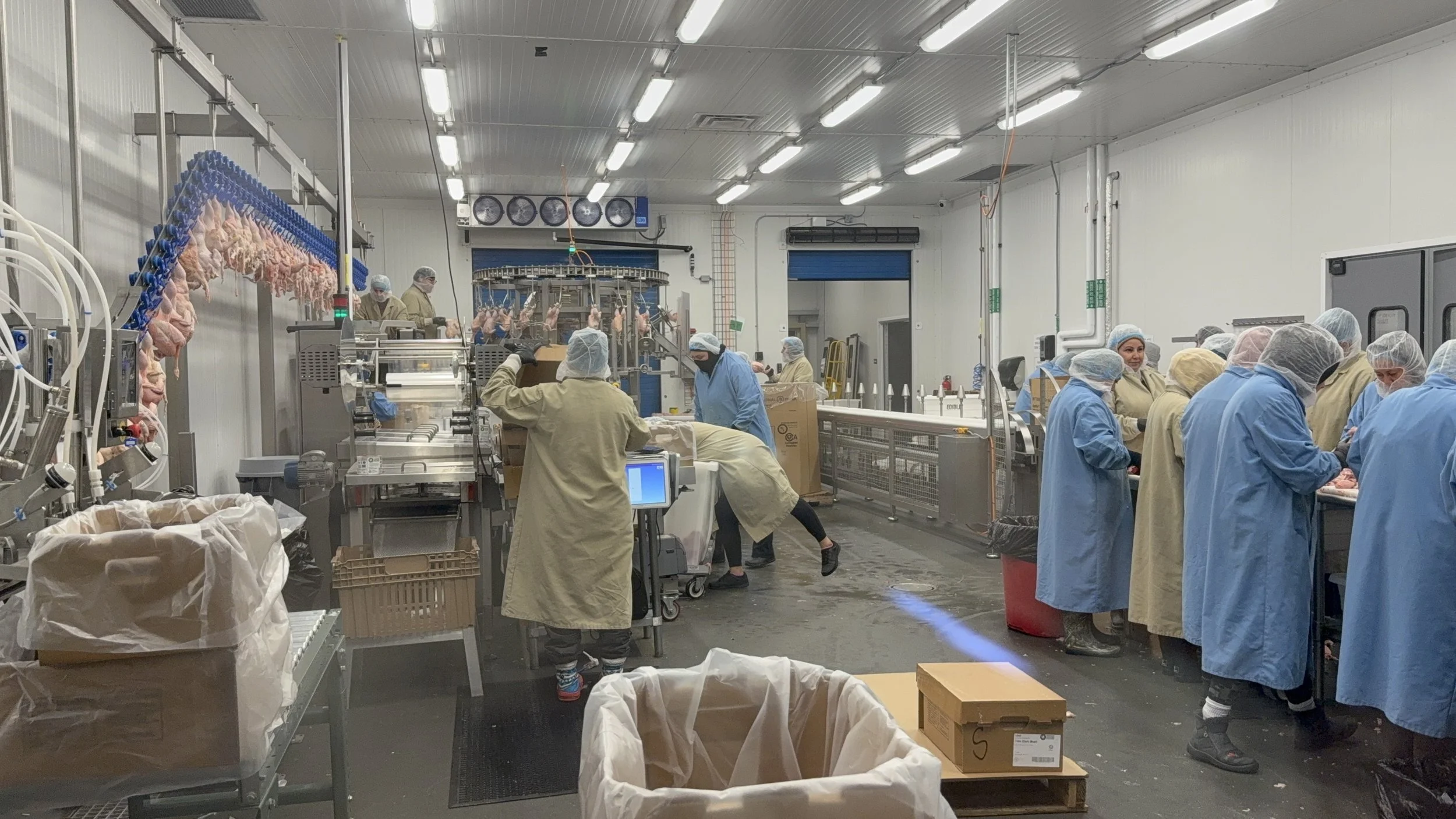
From Coop to Plate: Chicken & Eggs and Why Quality Matters
Chicken and eggs vary widely in flavor, texture, and—most importantly—nutrient composition. These differences don’t start in the kitchen. They begin with how the bird lives, what it eats, and the health of the soil and pasture it interacts with.
This deeper dive explores:
How feed, pasture access, and soil health influence chicken and egg nutrition
Differences between conventional, pasture-raised, and regenerative poultry systems
What research shows about fatty acids, vitamins, and antioxidants
Practical ways to choose higher-quality chicken and eggs
Let’s start with the foundation: how chickens are raised.
Pasture, Feed & Soil: The Foundation of Nutrient-Dense Poultry
Chickens are natural foragers. In a healthy outdoor system, they consume grasses, seeds, insects, worms, and soil microbes—foods that contribute to more diverse nutrients in both meat and eggs.
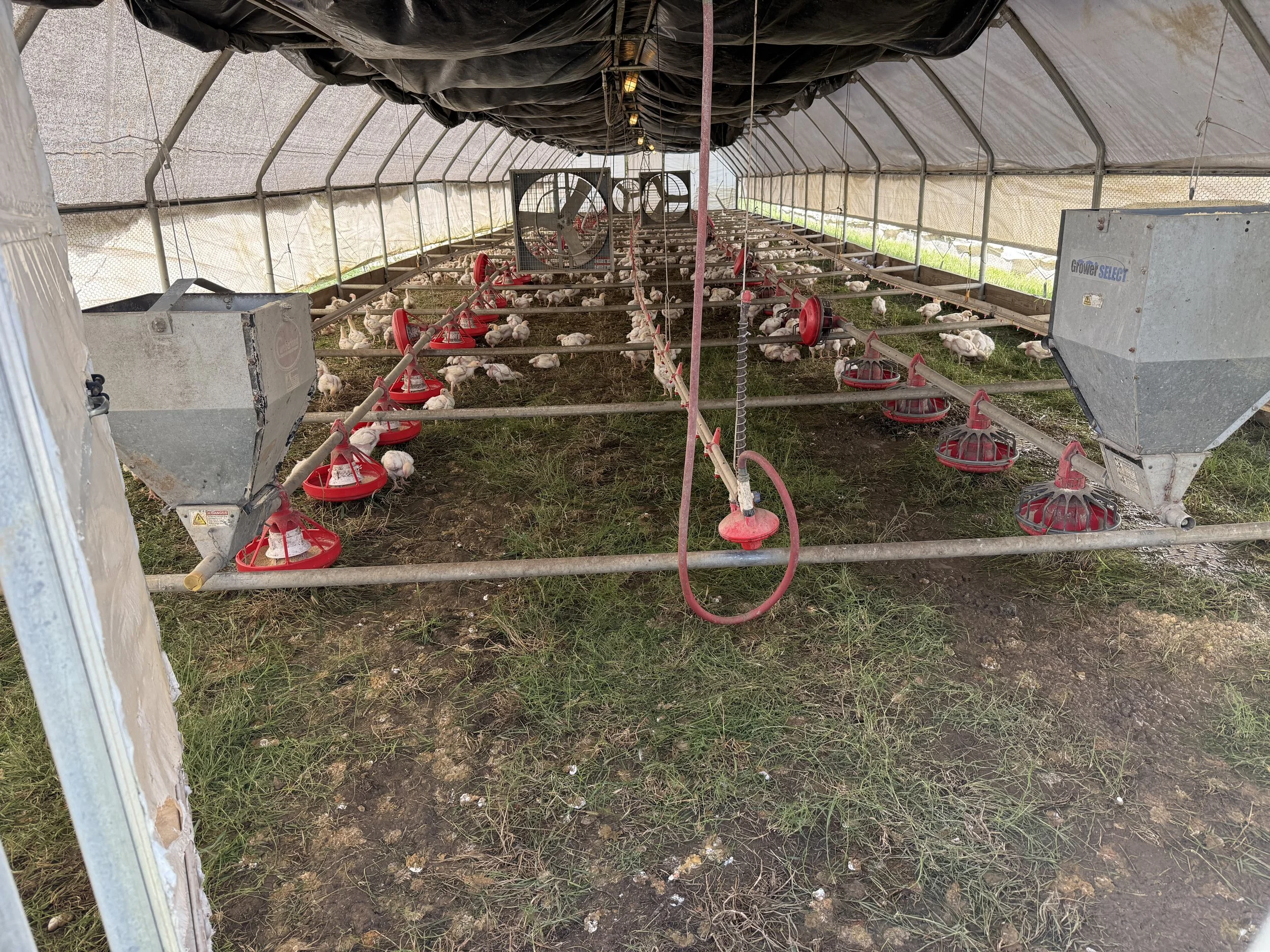
Healthy pasture-based poultry systems are characterized by:
Access to living vegetation and insects
Sunlight exposure (important for vitamin D synthesis)
Low stress and natural movement
Soils rich in organic matter and microbial life
In regenerative systems, chickens are often rotated across pasture, helping fertilize soil while benefiting from increasingly nutrient-rich forage.
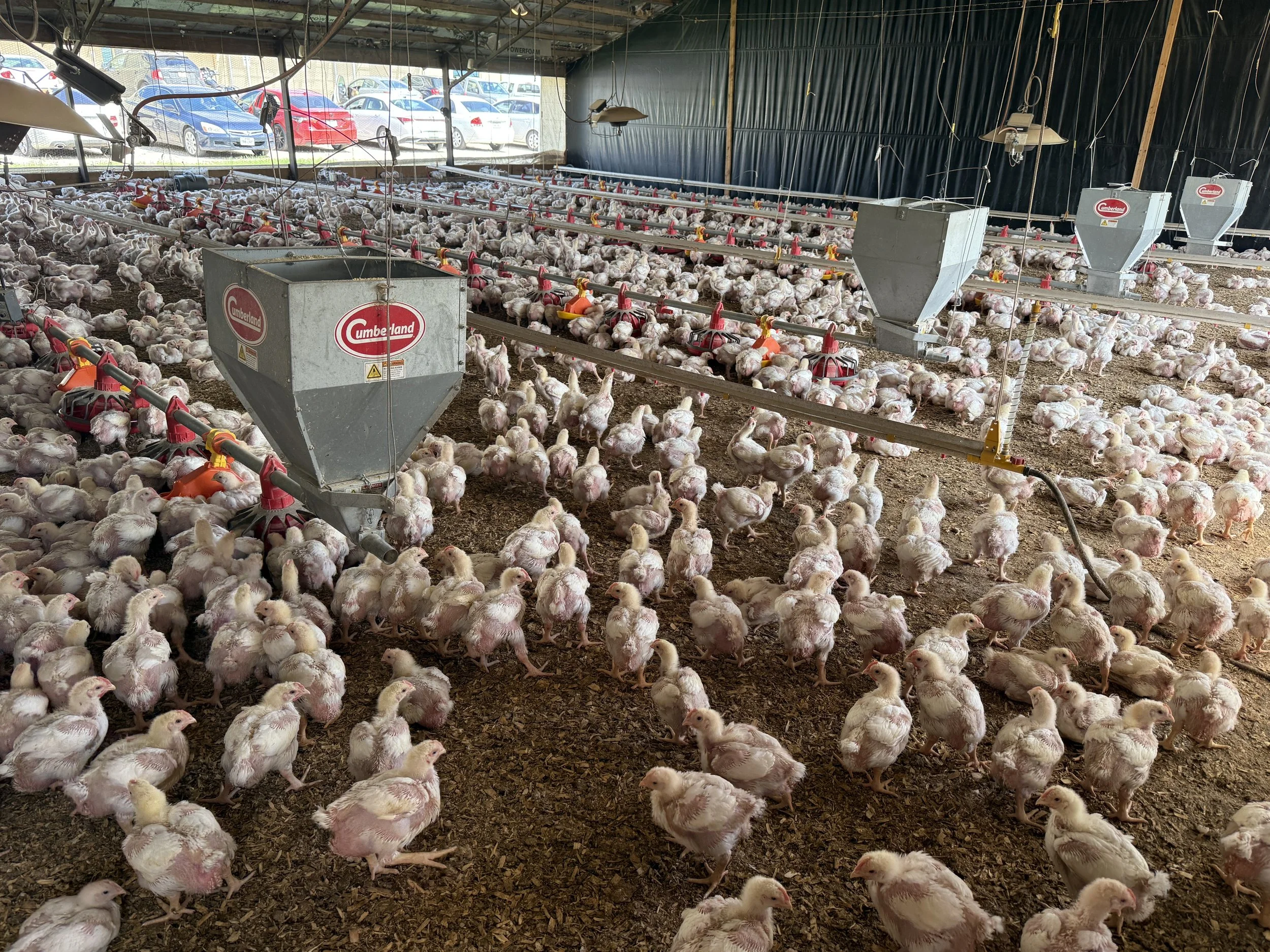
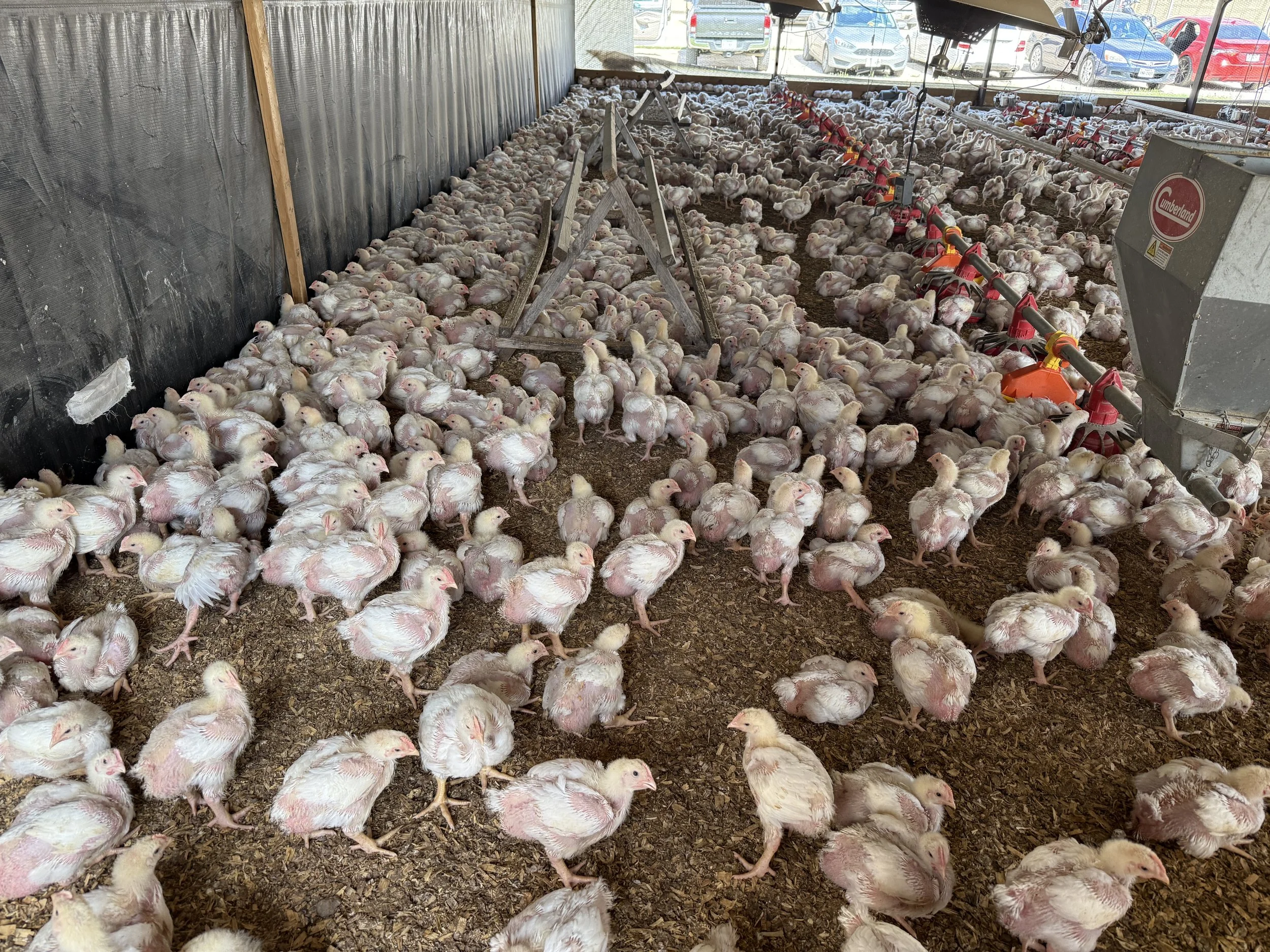
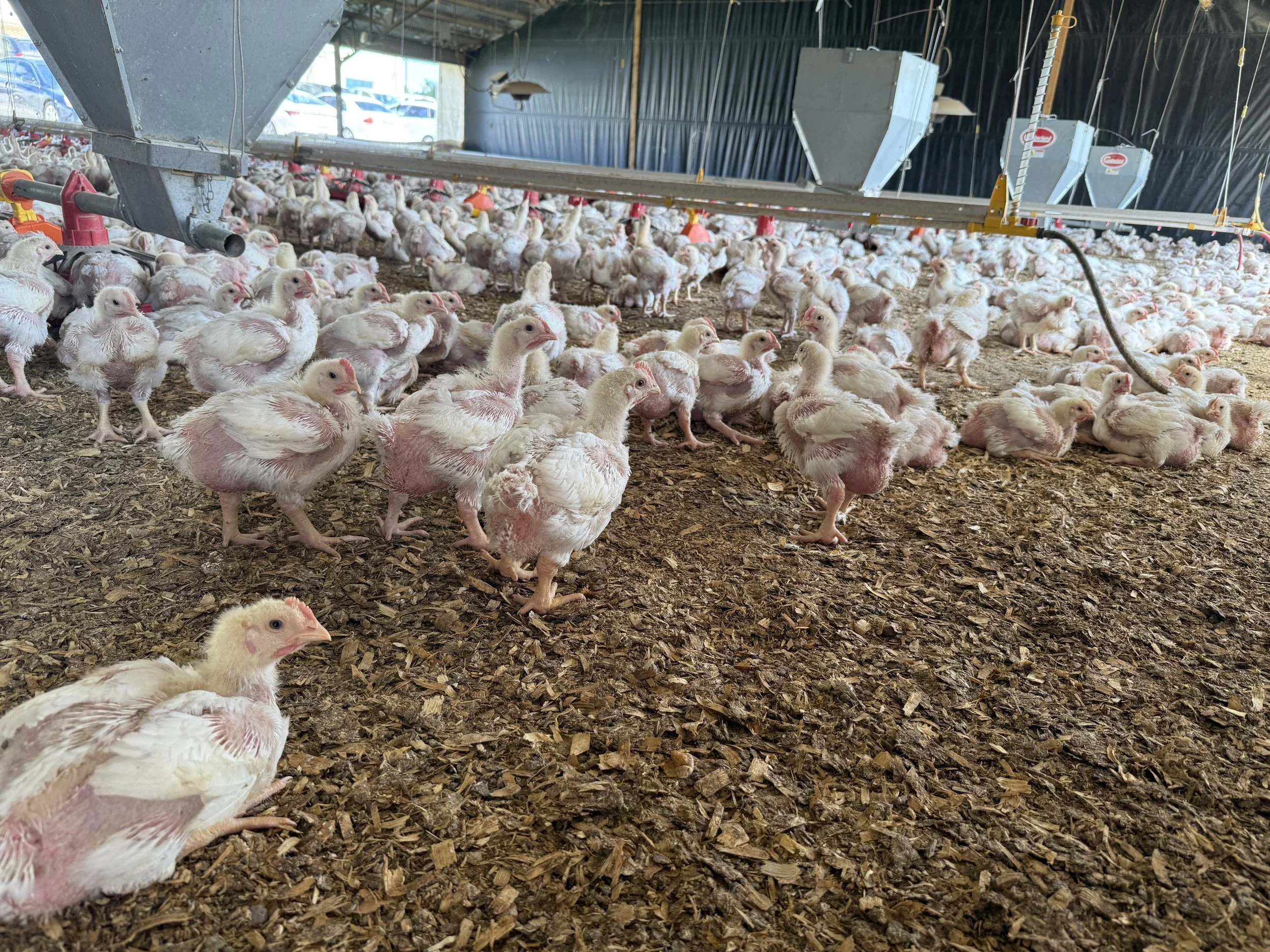
By contrast, conventional poultry is typically raised indoors and fed grain-based rations (corn and soy), which limits dietary diversity and disconnects birds from soil-driven nutrient cycles.
Nutrient Density in Eggs: What Research Shows
Eggs are one of the most sensitive foods to changes in feed quality.
Multiple studies have shown that pasture-raised or forage-fed eggs, compared with conventional eggs, can contain:
Higher omega-3 fatty acids
Lower omega-6 fatty acids
Increased vitamin A and vitamin E
Higher carotenoids such as lutein and zeaxanthin
Deeper yolk color, reflecting antioxidant content
A review comparing egg nutrient profiles found that eggs from hens with access to pasture and diverse diets had significantly higher omega-3 levels and fat-soluble vitamins than conventional eggs.
https://doi.org/10.1017/S175173111300095X
Earlier work also demonstrated that hens foraging on pasture produced eggs with higher vitamin A and E content and more favorable fatty acid ratios.
https://pubmed.ncbi.nlm.nih.gov/22074850/
Chicken Meat: Feed, Stress & Fat Quality
While chicken is often considered a “lean” protein, the quality of its fat still matters.
Pasture-raised and slower-grown chickens tend to have:
Better omega-3 to omega-6 balance
Higher levels of micronutrients tied to forage diversity
Firmer texture and improved flavor
Less intramuscular fat oxidation
Grain-heavy diets in confined systems increase omega-6 fatty acids in chicken meat, which can contribute to an imbalanced fat intake when consumed frequently.
https://doi.org/10.1016/j.meatsci.2010.10.007
Regenerative Poultry Systems: Closing the Nutrient Loop
Regenerative poultry systems integrate chickens into broader land-management strategies rather than treating them as isolated production units.
Key features include:
Rotational pasture access
Integration with grazing animals or cropping systems
Manure used as a soil amendment rather than waste
Emphasis on soil regeneration and biodiversity
While large-scale nutrient analyses of regenerative poultry are still emerging, studies consistently show that animals raised on biologically active pasture produce foods with more favorable nutrient profiles—mirroring findings in regenerative beef and dairy systems.
Labels & What They Actually Mean
Understanding poultry labels helps—but context matters:
Pasture-raised: Birds spend meaningful time outdoors foraging
Organic: Organic feed and no routine antibiotics, but outdoor access may be limited
Free-range: Outdoor access may be minimal or poorly defined
Nutrient density depends less on the label itself and more on actual access to pasture, forage diversity, and soil health.
Local & Fresh Makes a Difference
Eggs and poultry are best consumed fresh:
Egg quality and nutrient stability decline with storage time
Locally sourced eggs are often laid days—not weeks—before purchase
Fresh eggs retain better texture, flavor, and antioxidant integrity
Shorter supply chains preserve quality from farm to plate.
Putting This Science Into Practice
When sourcing chicken and eggs:
✔ Choose pasture-raised or regenerative farms when possible
✔ Look for eggs with deep orange yolks
✔ Ask farmers what the birds eat and how often they’re on pasture
✔ Buy fresh and store properly (eggs refrigerated, chicken kept cold)
✔ Cook gently to preserve heat-sensitive nutrients
Summary: Living Systems Produce Better Food
Chicken and eggs reflect the ecosystems they come from. Birds raised on pasture—especially within regenerative systems—produce food with healthier fat profiles, higher levels of fat-soluble vitamins, and greater antioxidant content. While labels can guide choices, true quality is rooted in soil health, forage diversity, and animal well-being. Understanding this connection allows you to choose poultry products that better support both human nutrition and resilient food systems.