Spirits
Choose small-batch, additive-free spirits with clear sourcing. Skip flavored or sweetened varieties.
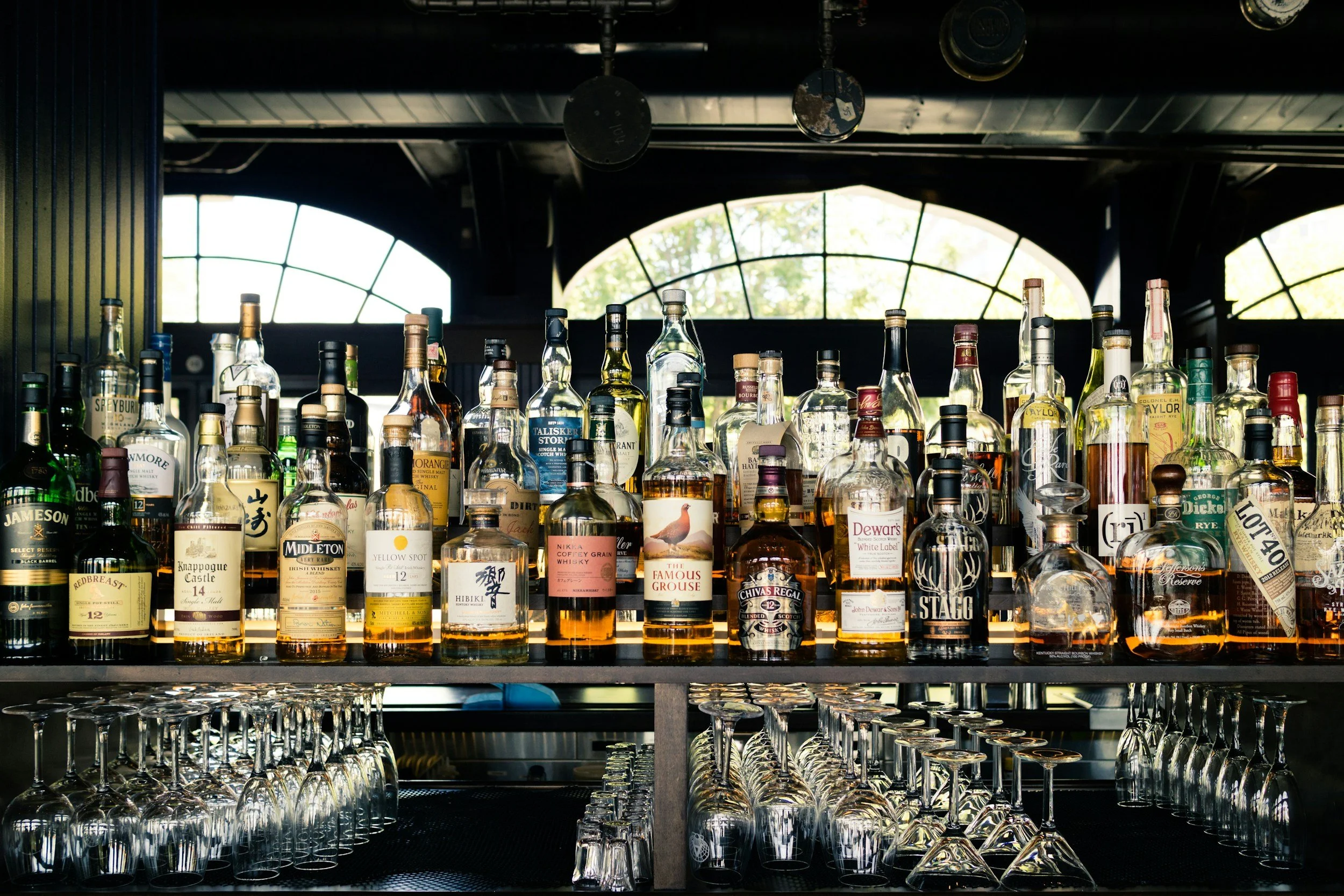
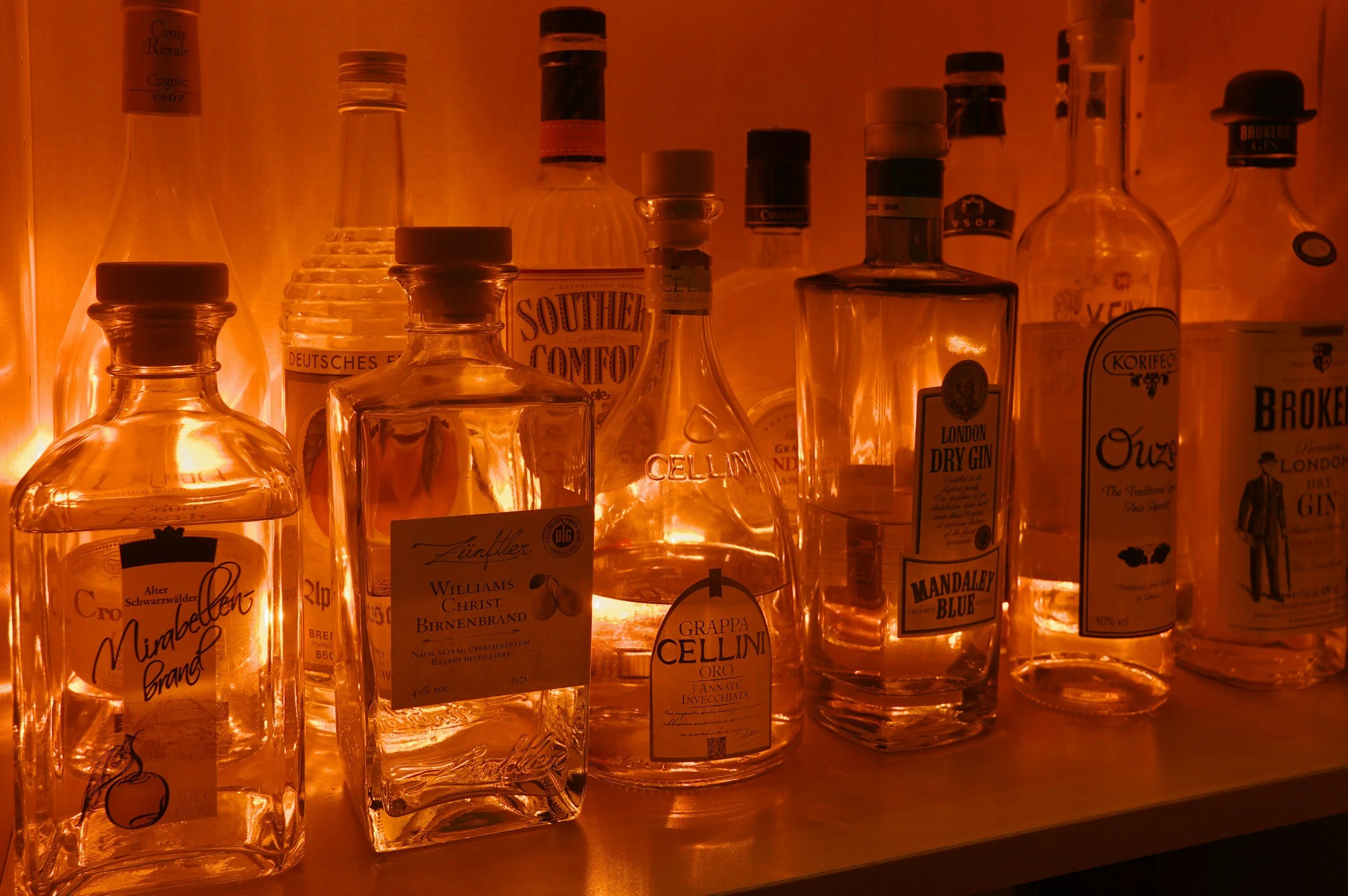
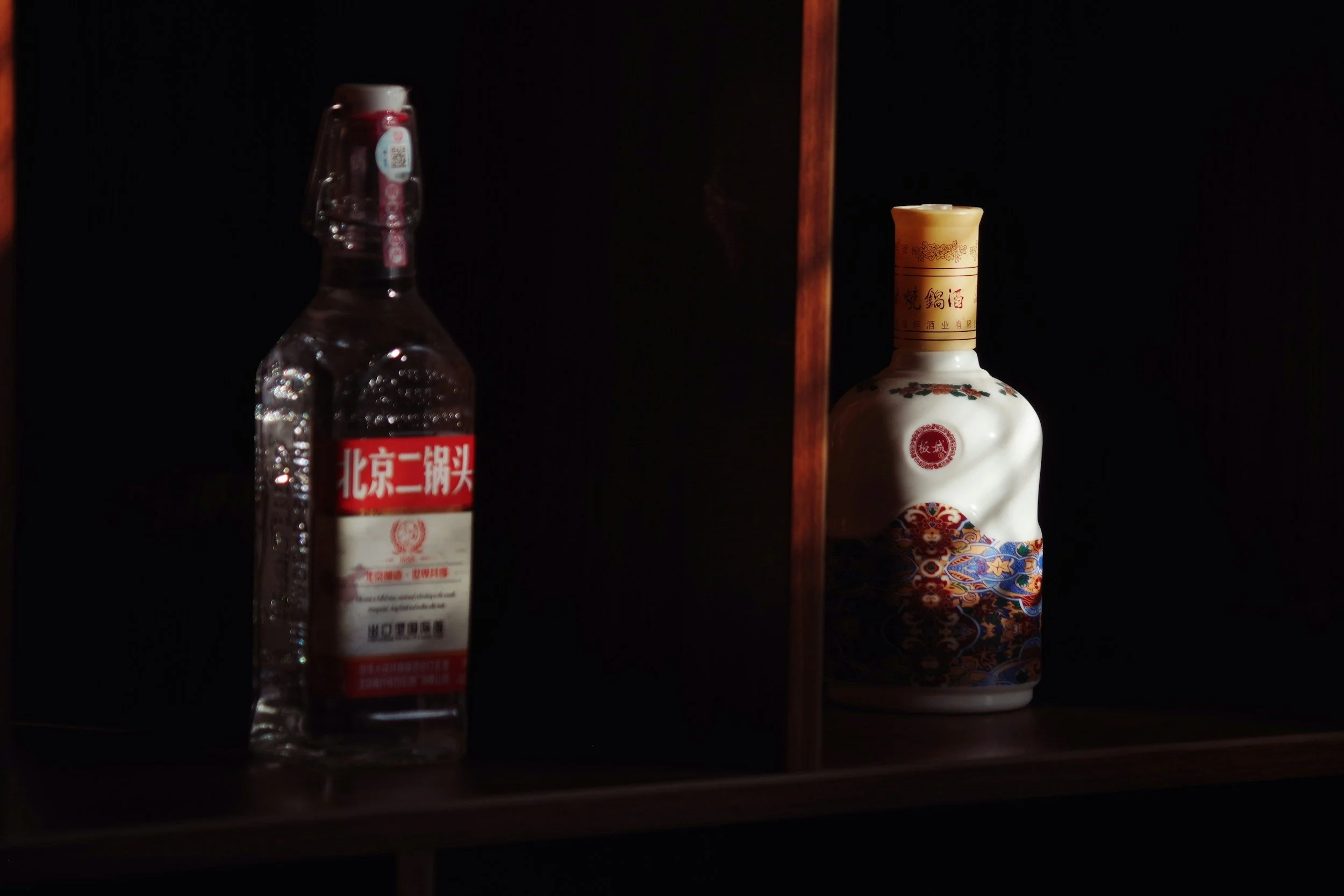
Spirits are a complex category — they can be refined artisanal expressions or highly processed industrial products. Quality depends on the ingredients, distillation methods, aging process, and additives. Many mainstream brands use artificial coloring, flavoring, and added sugars, even in products like whiskey and rum. Clear spirits like vodka and gin tend to be more neutral, while aged spirits like tequila, mezcal, and bourbon can reflect their terroir and craft.
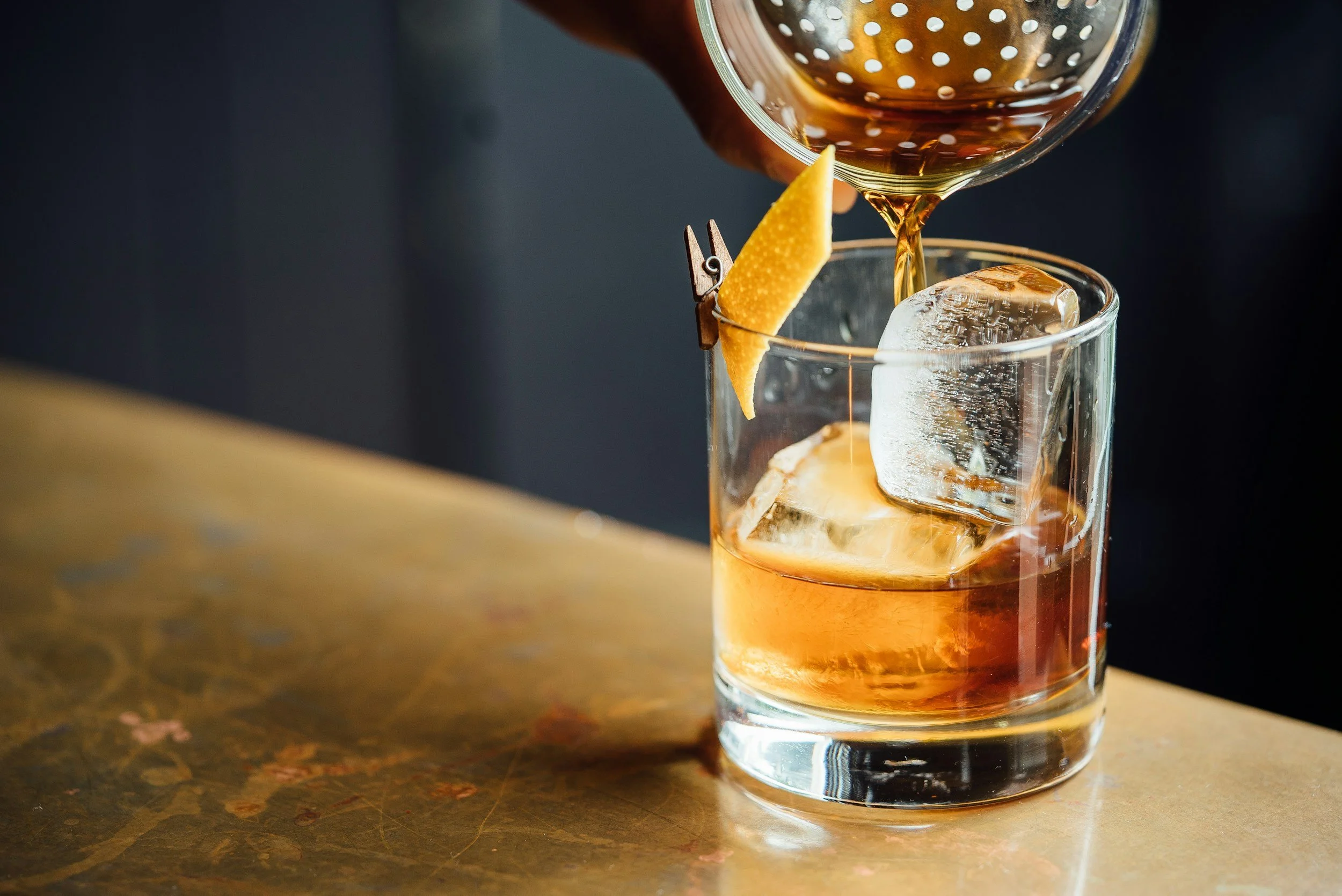
Choose craft or small-batch spirits made from quality grains, fruits, or botanicals. Look for 100% agave in tequila, pot-distilled whiskey, or natural botanicals in gin. Avoid flavored liquors or those with added syrups unless clearly labeled. Store sealed bottles in a cool, dark place. If you drink, moderation is key — and always hydrate alongside alcohol.
From Still to Glass: Spirits and Why Quality Matters
Spirits are often viewed simply as alcohol—but like wine and beer, their quality is shaped by ingredients, fermentation, distillation, aging, and additives. Well-made spirits reflect agricultural inputs and craftsmanship, while industrial spirits are often neutral alcohol products engineered for consistency rather than integrity.
This deeper dive explores:
How ingredients and distillation affect spirit quality
Differences between traditional and industrial spirits
What research shows about additives, congeners, and tolerance
Practical ways to choose higher-quality spirits
Let’s start at the foundation: what spirits are made from.
Ingredients: The Starting Material Matters
All spirits begin as fermented agricultural products:
Grains (whiskey, vodka)
Sugarcane (rum)
Agave (tequila, mezcal)
Fruit (brandy, cognac)
Botanicals (gin, herbal spirits)
Higher-quality spirits start with:
Real, identifiable agricultural inputs
Minimal use of refined sugars or syrups
Crops grown with attention to soil and harvest timing
Poor-quality spirits often rely on neutral grain alcohol with flavoring added later—disconnecting the final product from its source.
Distillation: Purification vs. Character
Distillation concentrates alcohol—but how it’s done determines whether character is preserved or stripped away.
Traditional Distillation
Pot stills or low-column stills
Fewer distillation passes
Retains congeners (aromatic compounds)
Produces depth, complexity, and texture
Industrial Distillation
High-column stills
Repeated distillation to near-neutral alcohol
Flavor added post-distillation
Extremely consistent—but biologically and sensorially flat
Congeners influence flavor, aroma, and how spirits are tolerated.
Congeners, Additives & Tolerance
Congeners include naturally occurring compounds like:
Esters
Aldehydes
Fusel alcohols
Phenolics (from aging)
In traditional spirits, these are present in balanced amounts. In industrial spirits, additives may be used to simulate complexity.
Research suggests that higher congener content—especially when artificially manipulated—may contribute to hangover severity and poor tolerance.
https://doi.org/10.1093/alcalc/agp037
Additive-free spirits often report better subjective tolerance.
Aging: Time as an Ingredient
Aging transforms spirits through slow interaction with wood and oxygen.
During barrel aging:
Harsh alcohols mellow
Phenolic compounds develop
Antioxidant activity increases
Studies show aged spirits contain higher levels of phenolic compounds derived from wood, contributing to flavor and oxidative stability.
https://doi.org/10.1016/j.foodchem.2016.01.114
Artificial coloring and flavoring shortcut this process without delivering the same complexity.
Transparency & Additives
Many spirits allow additives without disclosure.
Common examples:
Sugar or glycerin for mouthfeel
Caramel coloring
Artificial flavorings
Categories with clearer standards:
Tequila labeled 100% agave
Straight whiskey (US)
Cognac / Armagnac with appellation rules
Transparency matters more than brand prestige.
Alcohol Dose Still Matters
Even the cleanest spirit is still ethanol.
Health impact depends on:
Quantity
Frequency
Food context
Individual tolerance
Consuming spirits slowly, with food, and in small amounts reduces metabolic stress.
Large reviews consistently show that alcohol-related risks rise with increasing intake, regardless of beverage type.
https://doi.org/10.1016/j.pcad.2019.01.002
Putting This Science Into Practice
When choosing spirits:
✔ Choose small-batch or traditionally distilled spirits
✔ Look for clear ingredient and production transparency
✔ Prefer additive-free categories (e.g., 100% agave tequila)
✔ Avoid flavored or sweetened spiritsingredients
✔ Store bottles sealed, away from heat and light
✔ Drink slowly and hydrate alongside
Clear spirits are not inherently “cleaner”—production quality matters more than color.
Summary: Spirits Reflect Craft—or Industrial Design
Spirits can be expressions of agriculture, fermentation, and time—or industrial alcohol products with added flavor. Traditional distillation, real ingredients, thoughtful aging, and minimal additives produce spirits with greater integrity and often better tolerance. While alcohol always warrants moderation, choosing well-made spirits respects both the body and the agricultural systems that produced them—turning consumption into a conscious choice rather than a commodity habit.