Water
Filter your tap or choose clean spring water. Check with local suppliers to understand any local water contaminants/ issues.
Water is foundational to every bodily system, yet quality varies widely. Tap water may contain chlorine, heavy metals, and other contaminants, while bottled water can come from questionable sources and contribute to plastic waste.
💡 Use a high-quality filter for tap water, and choose glass or stainless steel containers for storage. Spring or mineral water can be a good occasional source of trace minerals





From Source to Sip: Water and Why Quality Matters
Water is the foundation of every biological process in the body. It supports digestion, circulation, detoxification, cellular signaling, and temperature regulation. Yet water quality varies widely depending on source, treatment, and storage. What you drink daily matters.
This deeper dive explores:
Differences between tap, filtered, and spring water
Common contaminants and why they matter
What research shows about filtration and mineral balance
Practical ways to choose cleaner, safer drinking water
Let’s start at the source.
Tap Water: Treated, but Not Always Clean
Municipal tap water is treated to prevent infectious disease—but treatment does not guarantee purity.
Depending on location, tap water may contain:
Chlorine or chloramine (used for disinfection)
Heavy metals (lead, copper, arsenic) from aging pipes
Agricultural runoff (nitrates, pesticides)
Industrial contaminants (PFAS, solvents)
Pharmaceutical residues
While levels are often within regulatory limits, chronic low-level exposure remains a concern—especially for vulnerable populations.
Studies have shown associations between long-term exposure to certain drinking water contaminants and adverse health outcomes.
https://doi.org/10.1289/EHP103
Filtration: Reducing Exposure at the Point of Use
Filtering tap water can significantly reduce contaminant load while maintaining convenience.
Common Filtration Methods
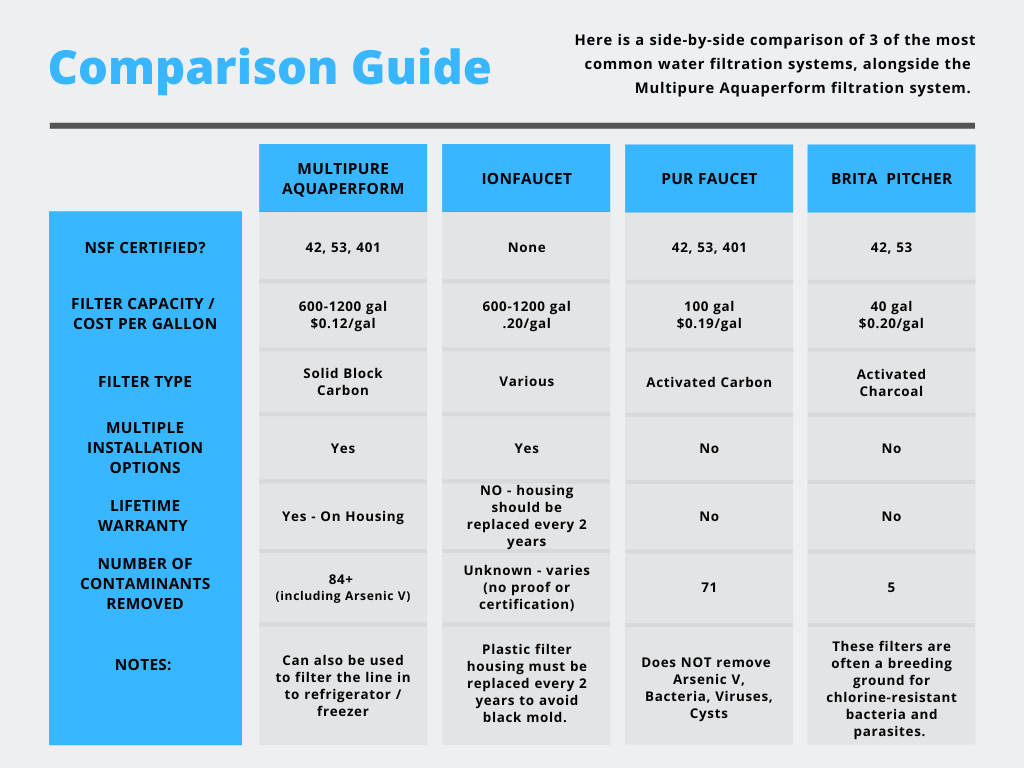
Activated carbon filters: Reduce chlorine, organic compounds, some PFAS
Reverse osmosis (RO): Removes a broad range of contaminants, including heavy metals
Multi-stage systems: Combine carbon, RO, and remineralization
No single filter removes everything—choosing a system depends on local water issues.
Research confirms that point-of-use filtration significantly lowers exposure to common drinking water contaminants.
https://doi.org/10.1021/acs.est.9b02405
Minerals: Balance Matters
Water is not just hydration—it can also be a source of trace minerals such as calcium, magnesium, and bicarbonate.
Spring and mineral waters naturally contain these minerals
RO systems remove minerals unless remineralized
Some studies suggest mineral-rich water may support bone and cardiovascular health, particularly magnesium content.
https://doi.org/10.3390/nu12010115
Spring Water: Natural, But Not Automatic Quality
True spring water:
Comes from underground aquifers
Is naturally filtered through rock and soil
Contains dissolved minerals
However, quality depends on source protection, bottling practices, and testing. Not all bottled water is spring water—many are filtered municipal supplies.
Transparency and third-party testing are key.
Storage & Containers Matter
How water is stored affects safety.
Best practices:
Use glass or stainless steel containers
Avoid plastic when possible (microplastics, chemical leaching)
Keep water away from heat and sunlight
Microplastics have been detected in bottled and tap water worldwide.
https://doi.org/10.1021/acs.est.9b01517
Local Knowledge Is Critical
Water quality issues are highly regional.
✔ Review your local water quality report
✔ Ask local suppliers about known contaminants
✔ Test private wells regularly
✔ Choose filtration based on real data—not trends
Putting This Science Into Practice
When choosing drinking water:
✔ Filter tap water using a system matched to local contaminants
✔ Choose clean, tested spring water when available
✔ Store water in glass or stainless steel
✔ Avoid prolonged storage in plastic
✔ Stay informed about local water quality changes
Summary: Clean Water Is Foundational Health
Water quality directly affects every system in the body. While municipal treatment ensures safety from pathogens, it does not eliminate all contaminants. Filtration tailored to local conditions or choosing clean, tested spring water can meaningfully reduce daily chemical exposure while supporting hydration and mineral balance. Understanding your water source empowers one of the most impactful daily health decisions you can make—one sip at a time.