Beer
Choose traditionally brewed beers made with simple ingredients: water, barley, hops, and yeast. Favor small-batch, craft producers when possible.
Beer quality depends on ingredients, fermentation, and processing. Many mass-produced beers contain refined grains, added sugars, flavoring agents, and stabilizers that increase glycemic load and reduce nutritional value. Traditionally brewed beers retain more naturally occurring polyphenols from hops and grains, though filtration and processing can significantly reduce these compounds.
💡 Look for beers with shorter ingredient lists, moderate alcohol content, and minimal additives. Store cold and away from light, and consume fresh — beer is best enjoyed close to packaging.

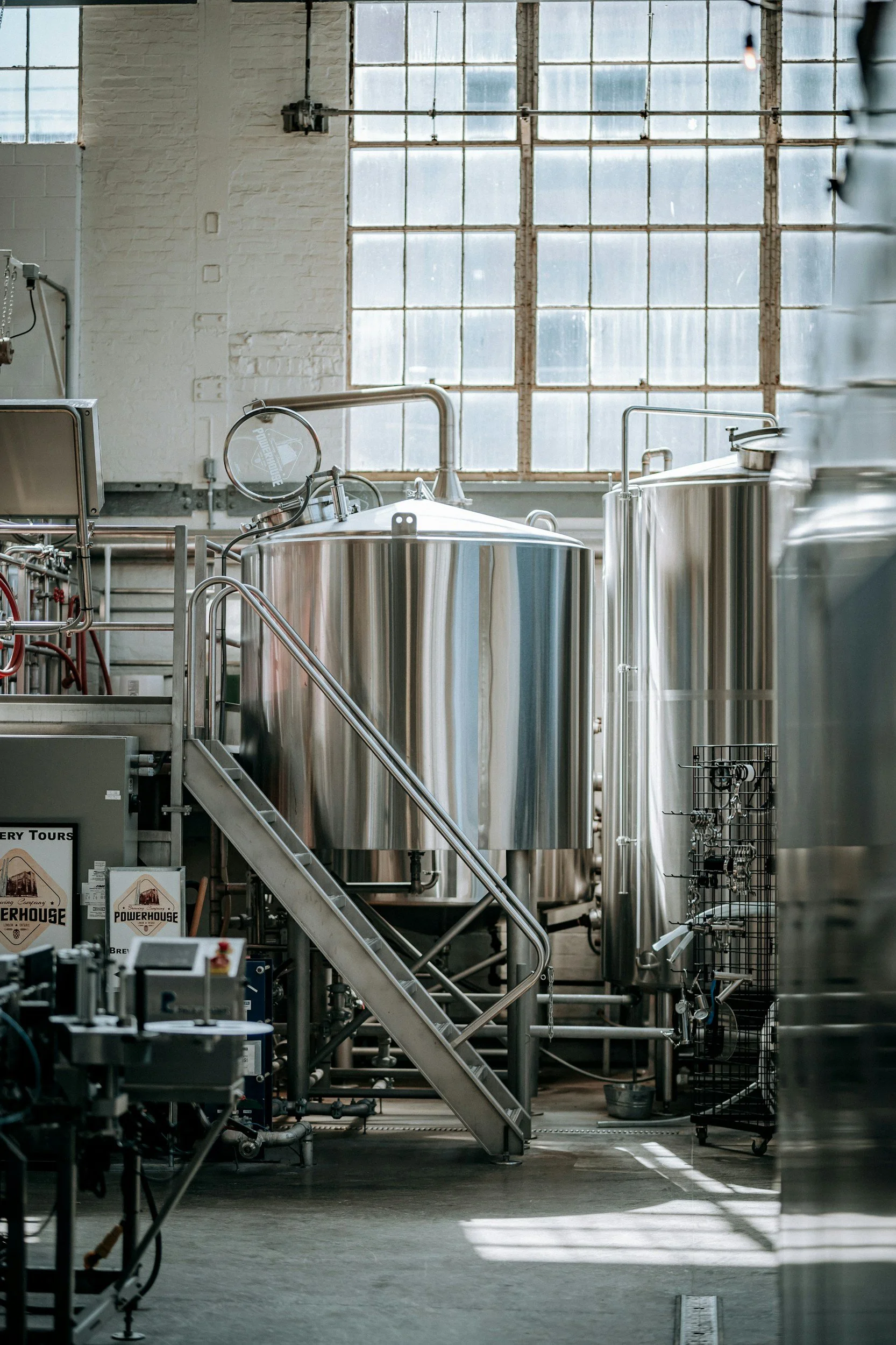
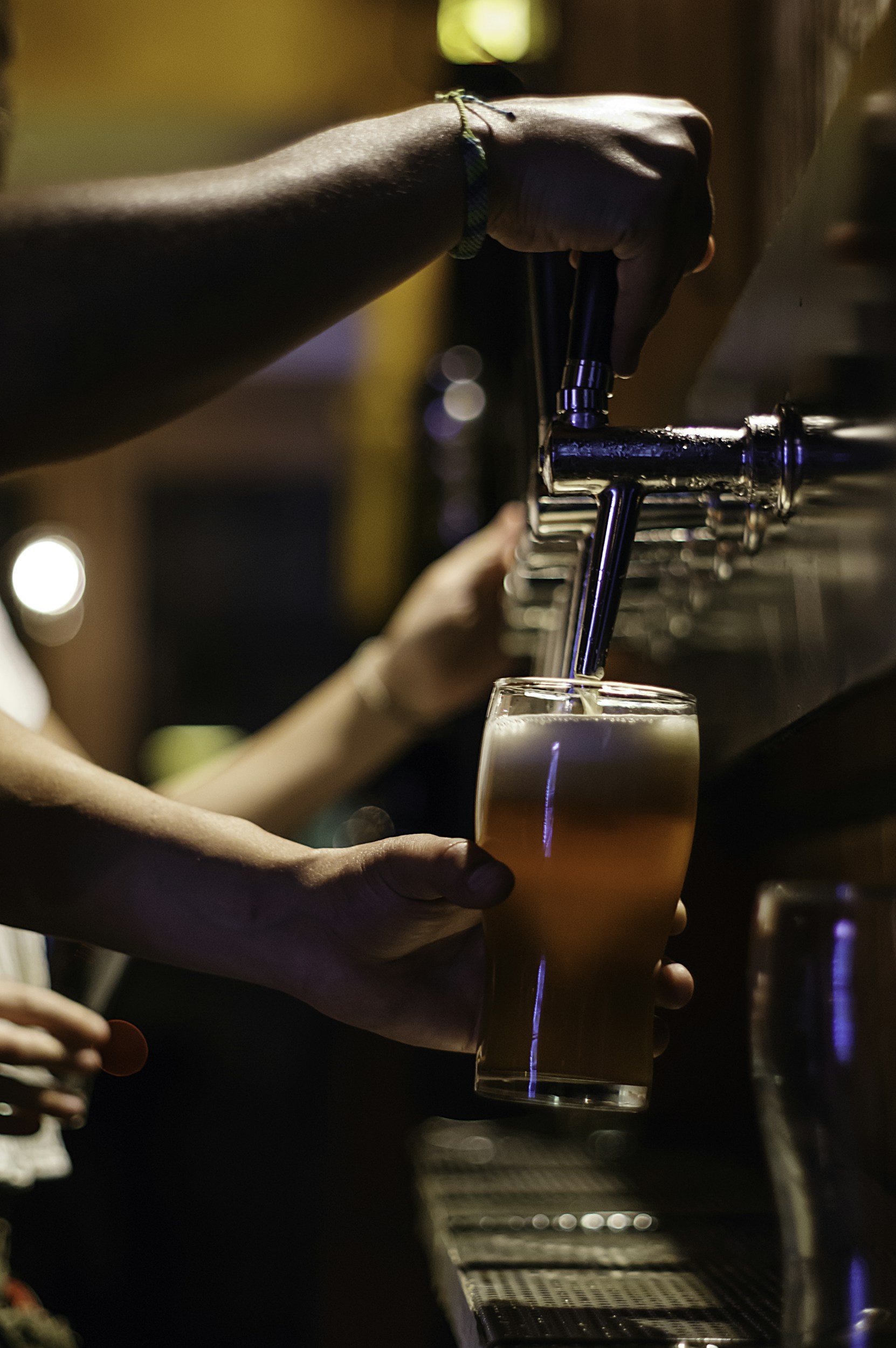
From Grain to Glass: Beer and Why Quality Matters
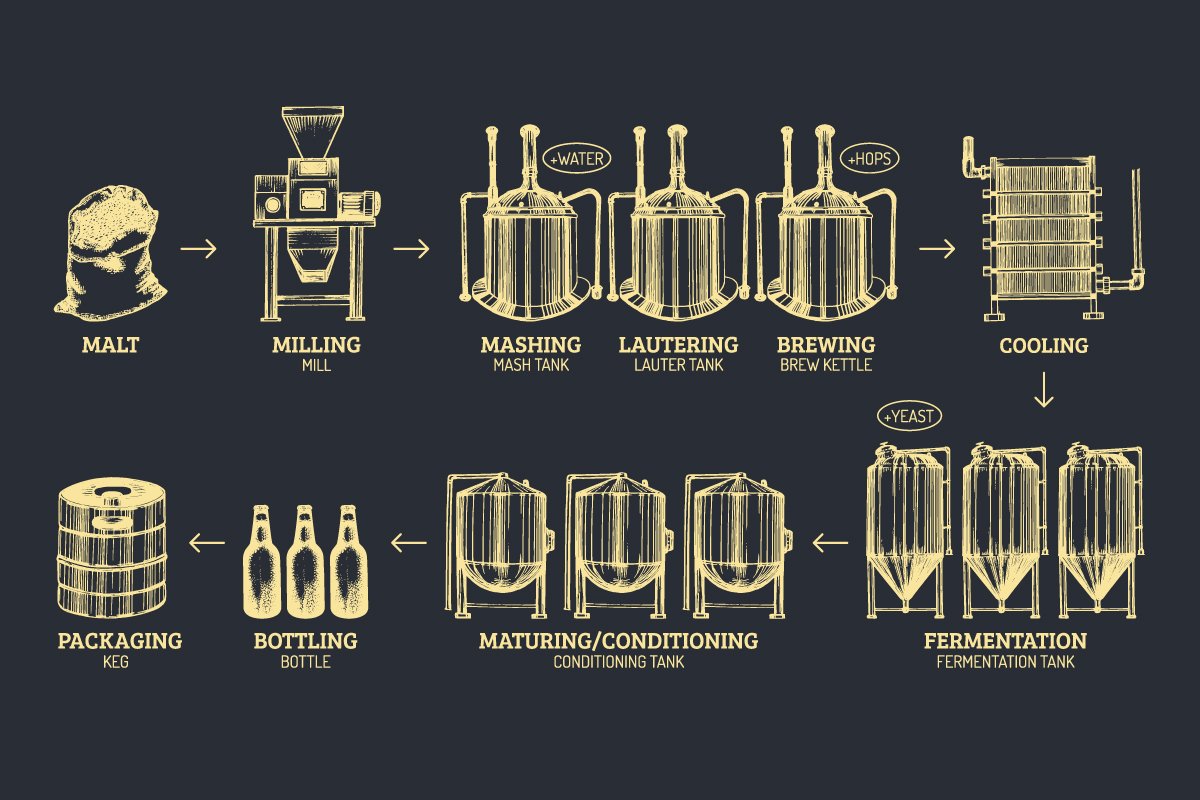
Beer is one of humanity’s oldest fermented beverages—rooted in grain agriculture, fermentation science, and microbial life. Yet modern beer spans a wide spectrum: from ultra-processed, highly filtered products to traditionally brewed beers rich in flavor and biological complexity. Quality depends on ingredients, fermentation, and handling from mash to glass.
This deeper dive explores:
How ingredients and brewing methods shape beer composition
Differences between industrial and traditional brewing
What research shows about polyphenols, fermentation byproducts, and tolerance
Practical ways to choose higher-quality beer
Let’s start at the foundation: the ingredients.
Ingredients Matter: Grain, Hops, Water & Yeast
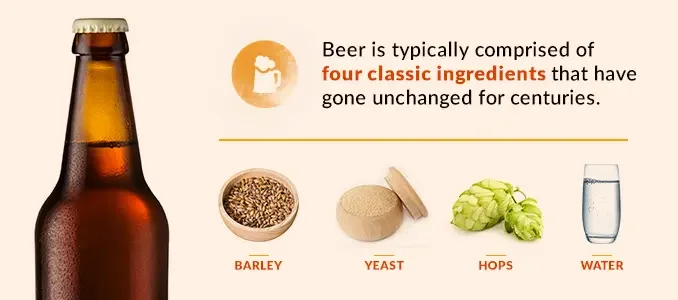
At its core, beer is made from four ingredients:
Grain (usually barley, sometimes wheat, rye, or oats)
Hops (bitterness, aroma, antimicrobial properties)
Water (mineral balance shapes flavor and mouthfeel)
Yeast (the engine of fermentation)
High-quality beer begins with well-grown grains and hops—often from mineral-rich soils—and clean water with a balanced mineral profile. Industrial beer often relies on adjuncts (corn, rice, sugar syrups) to reduce cost and lighten flavor, diluting nutrient and polyphenol content.
Brewing & Fermentation: Where Character Is Created
Traditional / Craft Brewing
Typically features:
Longer fermentation and conditioning
Live or gently handled yeast
Minimal processing and filtration
Emphasis on flavor, aroma, and balance
Industrial Brewing
Often includes:
Rapid fermentation
Enzyme use to speed conversion
Heavy filtration and pasteurization
Highly standardized flavor profiles
Processing choices affect not just taste, but also the presence of polyphenols, B-vitamins, and fermentation-derived compounds.
Fermentation Byproducts & Digestibility
Fermentation produces more than alcohol:
B-vitamins (notably B6 and folate, especially in less filtered beers)
Organic acids
Polyphenols from barley and hops
Studies show that unfiltered and traditionally brewed beers retain higher levels of phenolic compounds and antioxidant activity than heavily processed beers.
https://doi.org/10.1016/j.foodchem.2015.01.099
Hops: More Than Bitterness
Hops contribute bioactive compounds such as:
Xanthohumol – a prenylated flavonoid with antioxidant properties
Iso-alpha acids – antimicrobial and flavor-stabilizing compounds
Research has identified xanthohumol as a potent antioxidant unique to hops, though levels vary widely by beer style and processing.
https://doi.org/10.1016/j.jff.2017.01.011
Excessive filtration and heat treatment significantly reduce these compounds.
Alcohol, Additives & Tolerance
Beer tolerance varies widely among individuals and often relates to:
Alcohol dose
Residual sugars
Histamines and biogenic amines
Additives and processing aids
Light lagers and heavily processed beers may be easier to drink quickly—but not necessarily easier to tolerate. Some people report better tolerance with traditionally fermented, lower-alcohol beers consumed slowly and with food.
Moderation remains essential—benefits do not increase with higher intake.
https://doi.org/10.1016/j.pcad.2019.01.002
Freshness & Storage
Beer is sensitive to:
Light (especially UV exposure)
Heat
Oxygen
Fresh, well-stored beer retains:
Better hop aroma
Less oxidation
Cleaner flavor
Brown bottles and cans protect beer better than clear or green bottles.
Putting This Science Into Practice
When choosing beer:
✔ Choose craft or traditionally brewed beers
✔ Look for simple ingredient lists
✔ Prefer unfiltered or bottle-conditioned styles when available
✔ Avoid beers with added syrups, flavorings, or stabilizers
✔ Store beer cold and away from light
✔ Drink slowly and with food
Lower-alcohol styles (session beers, traditional ales) often allow enjoyment without excess.
Summary: Beer Is a Fermented Food—When Made Traditionally
Beer can be either an industrial alcohol product or a traditionally fermented grain beverage. Quality beer—made from real ingredients, fermented patiently, and minimally processed—retains more flavor, polyphenols, and biological complexity. While alcohol always warrants moderation, thoughtfully brewed beer connects agriculture, fermentation, and culture in a way that honors its ancient roots rather than reducing it to a commodity.