Dairy & Animal Based Fats
Seek grass-fed from a regenerative farm if possible. Look for fermented options without added sweeteners.
The nutrient profile of milk, butter, yogurt, and cheese is influenced by the animal’s diet, breed, and treatment. Grass-fed and pasture-raised dairy tends to be richer in omega-3s, vitamin K2, and conjugated linoleic acid (CLA). Highly processed dairy may contain synthetic vitamins, stabilizers, and hormones.
💡 Choose organic or grass-fed dairy whenever possible. Seek low-heat pasteurized options from trusted sources. Aged cheeses and cultured products like yogurt and kefir offer probiotics and better digestibility. Store dairy below 40°F and observe use-by dates — but note that many fermented dairy products last longer than labeled.
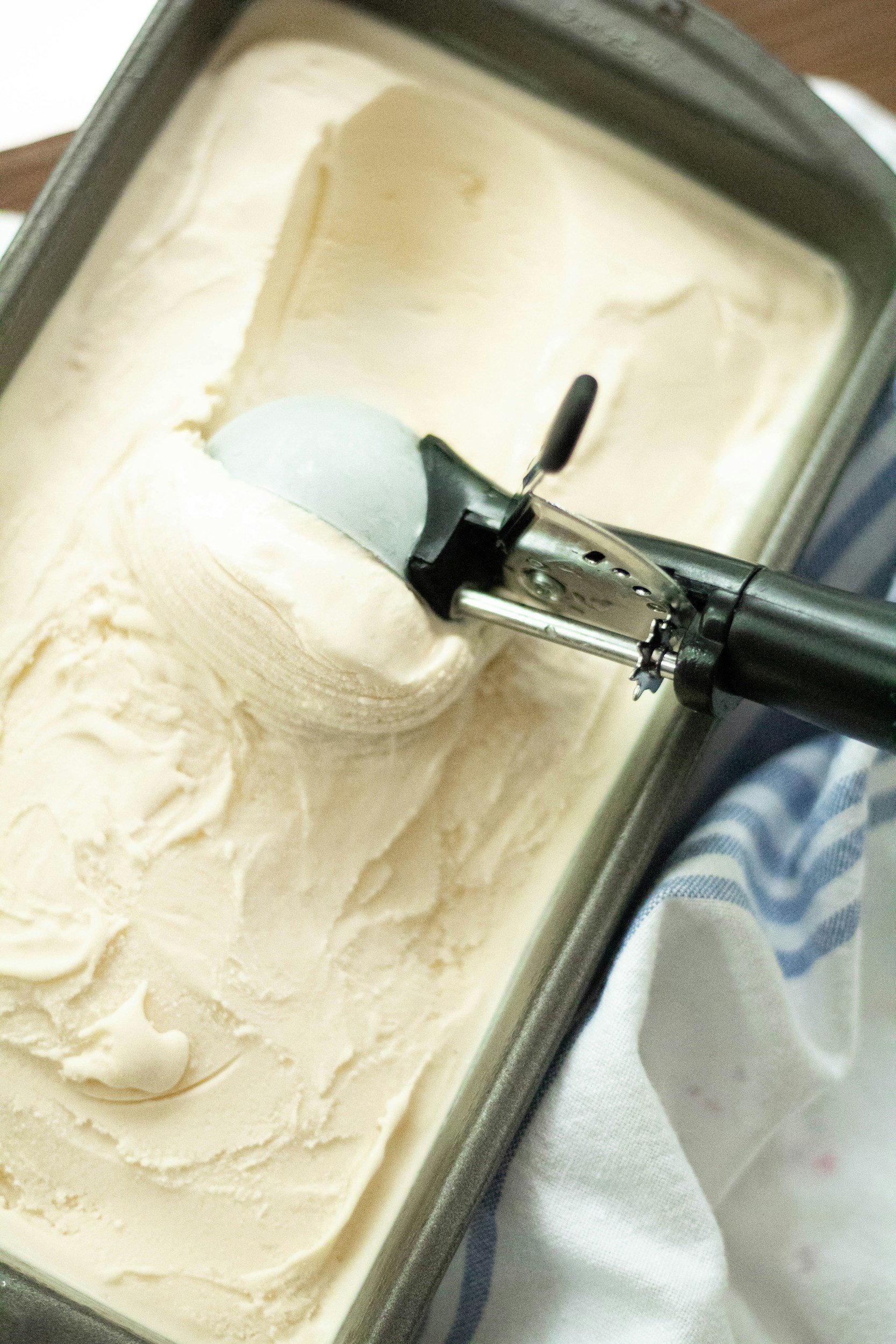
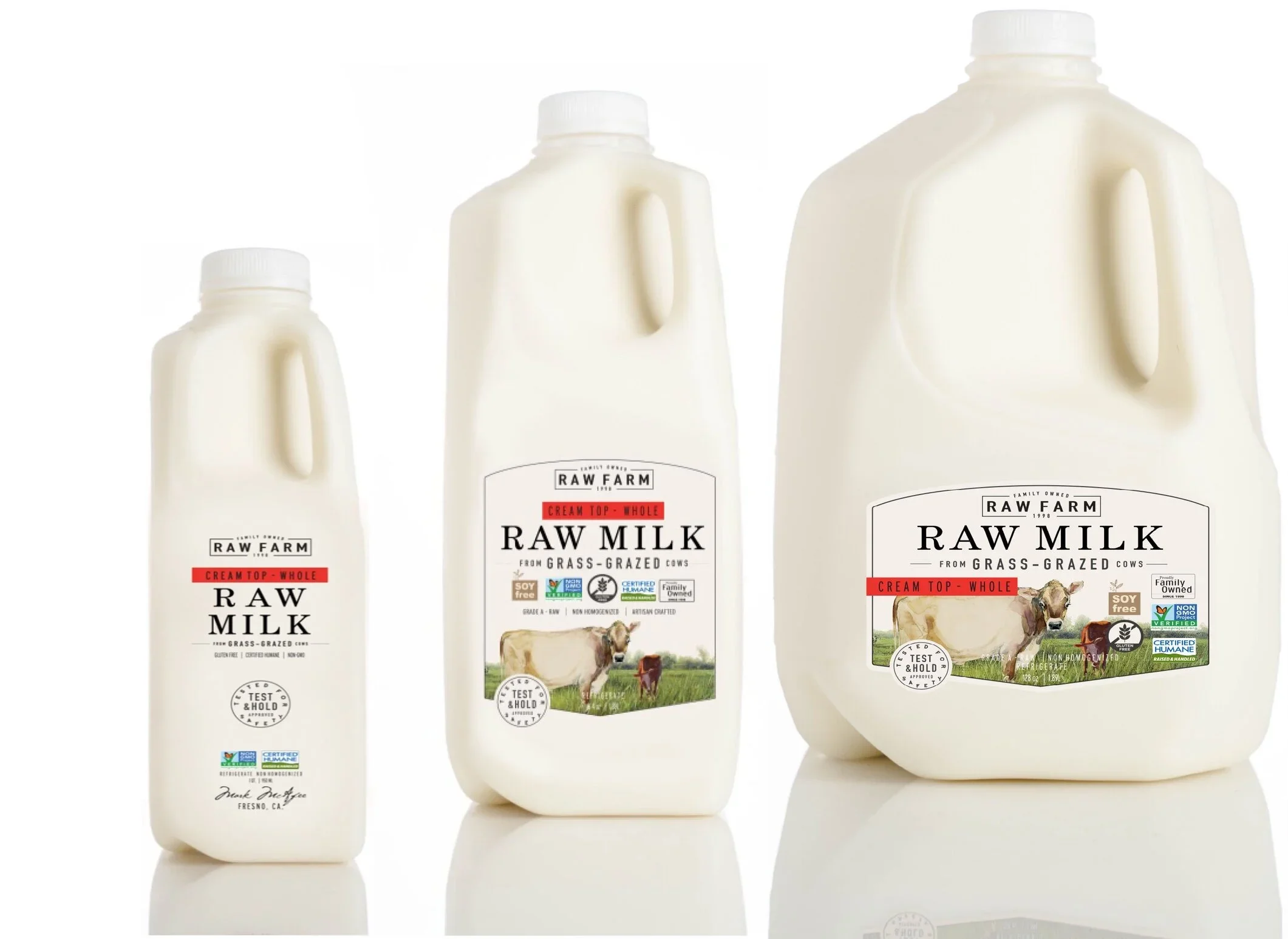
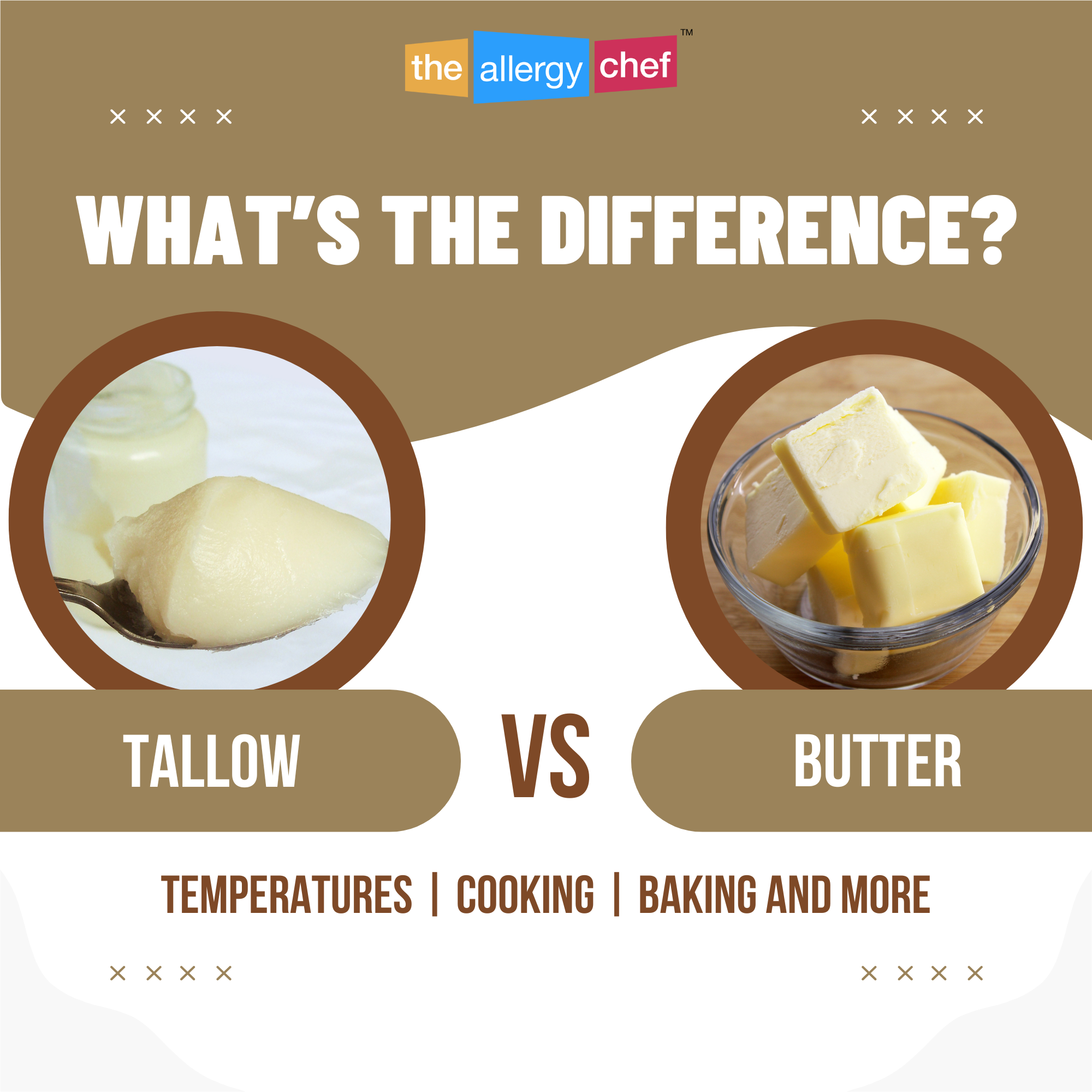
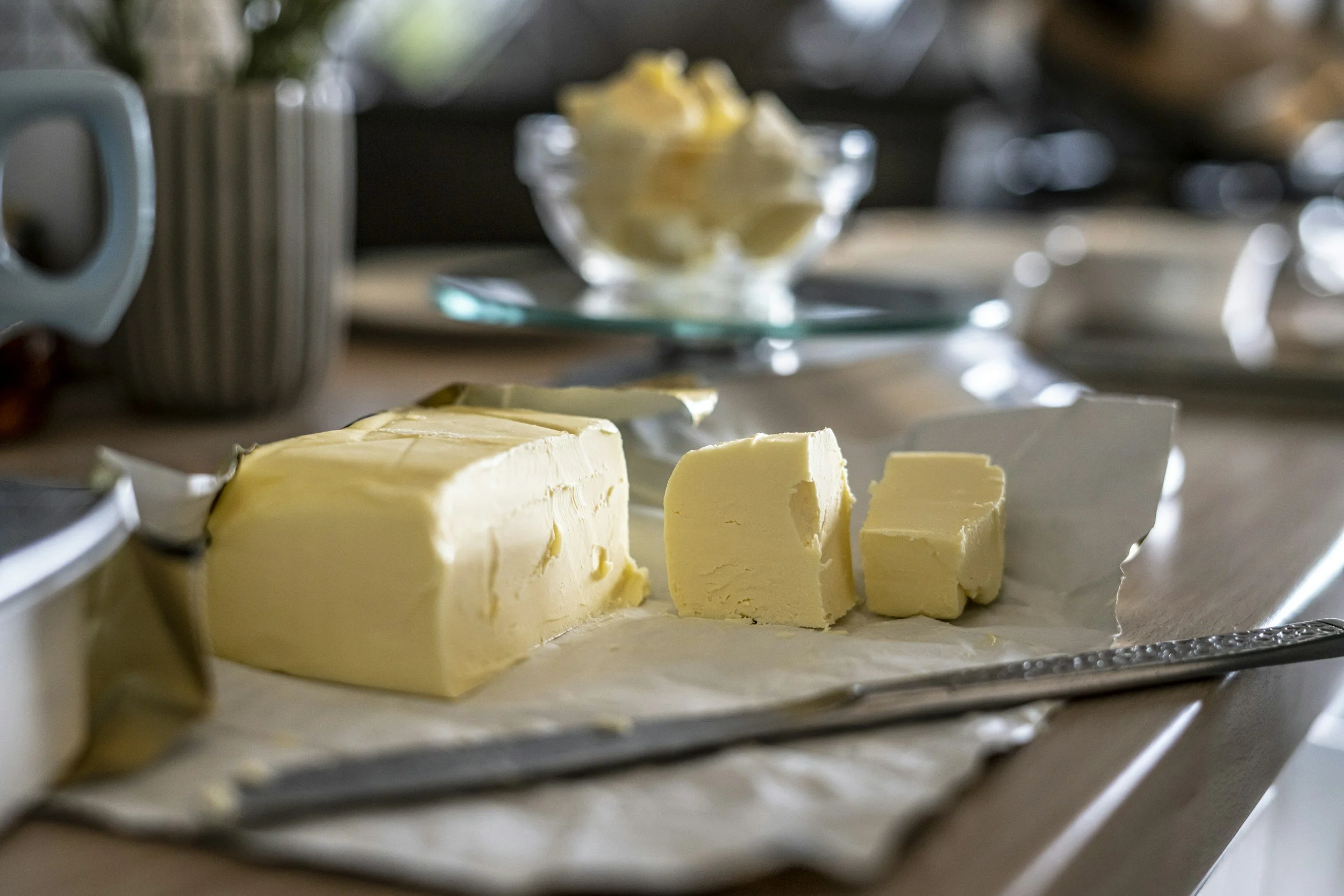
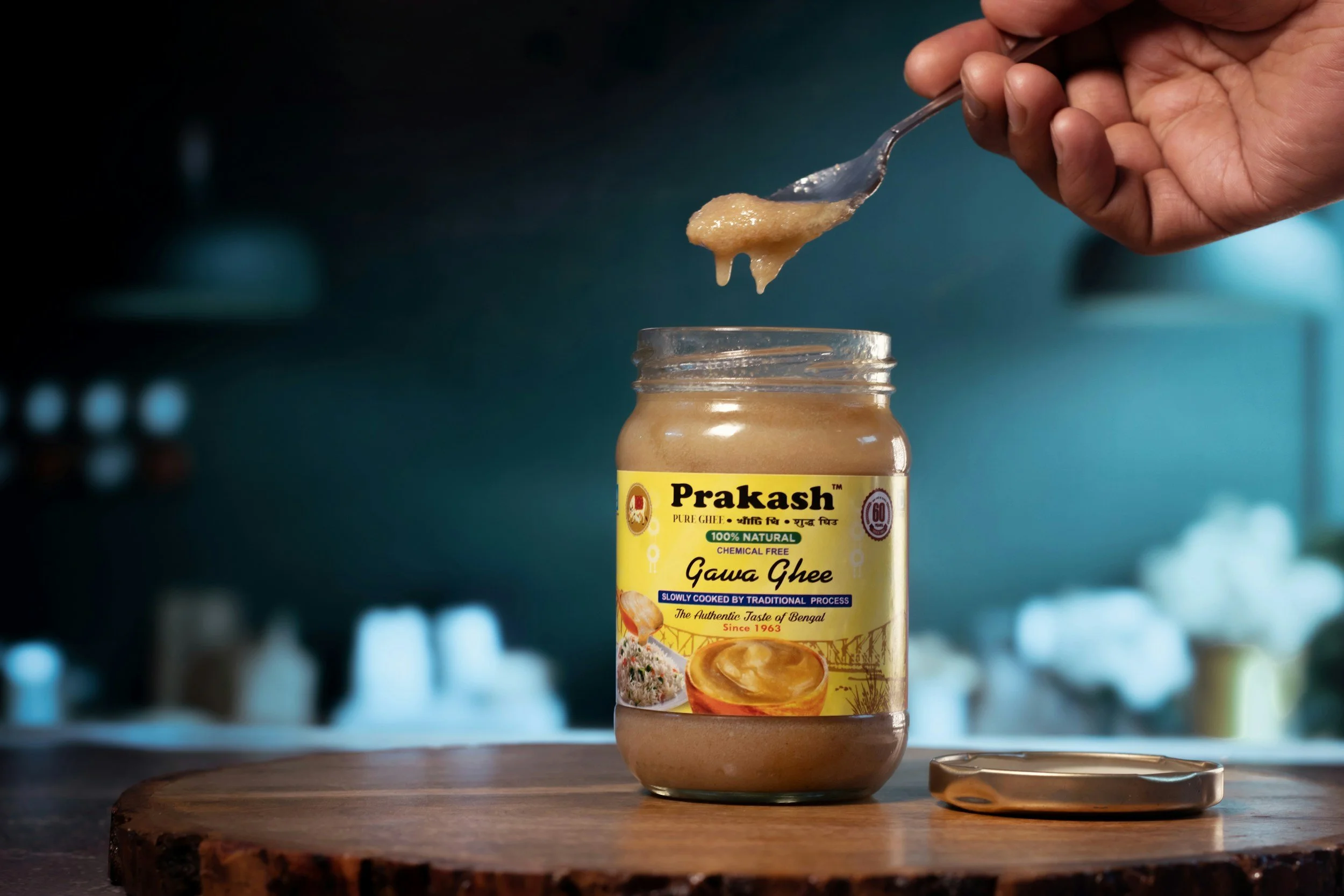
From Pasture to Plate: Dairy & Animal-Based Fats and Why Quality Matters
Milk, butter, ghee, tallow, and other animal-based fats vary widely in flavor, texture, and nutritional impact. These differences begin long before processing—shaped by what animals eat, how they’re raised, and the health of the soil supporting their feed.
This deeper dive explores:
How animal diet and pasture quality influence dairy and fat composition
Differences between conventional and grass-fed systems
What research shows about fatty acids and fat-soluble vitamins
Practical ways to choose higher-quality dairy and animal fats
Let’s start with the foundation: pasture and feed.
Diet, Pasture & Soil: The Foundation of Quality Dairy Fats
Ruminant animals (cows, sheep, goats) evolved to eat grass and forage—not grain. When grazing on diverse pasture rooted in healthy soil, animals consume a wider range of fatty acid precursors, minerals, and phytonutrients that directly influence milk and fat composition.
Healthy pasture-based systems are characterized by:
Diverse grasses and forage species
Biologically active soil with high organic matter
Seasonal grazing and outdoor access
Low stress and natural movement
In regenerative dairy systems, grazing practices also rebuild soil carbon and nutrient cycling—benefiting both land and food quality.
Conventional vs. Grass-Fed Dairy: What Changes Nutritionally
Most conventional dairy cows are fed grain-heavy rations (corn, soy) to maximize milk yield. While productive, this feeding strategy alters fat composition.
Research consistently shows that grass-fed dairy contains:
Higher omega-3 fatty acids
Lower omega-6 fatty acids
Increased conjugated linoleic acid (CLA)
Higher levels of fat-soluble vitamins
A large meta-analysis comparing grass-fed and conventional dairy found significantly higher omega-3s and CLA in grass-fed milk and butter.
https://doi.org/10.1371/journal.pone.0082430
Fat-Soluble Vitamins: A, D, E & K₂
Animal fats are key carriers of fat-soluble vitamins, which play roles in immune health, bone metabolism, and cardiovascular function.
Pasture-raised dairy and animal fats tend to contain:
More vitamin A (as retinol)
Higher vitamin E (antioxidant protection)
More vitamin K₂ (menaquinones), particularly in butter and ghee
Vitamin K₂ content is strongly influenced by the animal’s diet and access to fresh pasture.
https://doi.org/10.1016/j.jff.2017.05.001
Butter, Ghee & Tallow: Stability Matters
Traditional animal fats differ from industrial seed oils in one important way: heat stability.
Butter, ghee, and tallow:
Are naturally stable at cooking temperatures
Contain fewer polyunsaturated fats prone to oxidation
Deliver nutrients in a form the body readily absorbs
Grass-fed versions consistently show:
Better omega-6:omega-3 ratios
Higher antioxidant content
Improved flavor and aroma
Oxidized fats from refined oils are associated with increased inflammation and oxidative stress, while traditional animal fats remain chemically stable during cooking.
https://doi.org/10.1016/j.foodchem.2018.01.077
Fermented & Low-Heat Dairy: Digestibility Counts
How dairy is processed matters as much as how it’s produced.
Higher-quality dairy options include:
Cultured products (yogurt, kefir, aged cheeses)
Low-heat or gently pasteurized milk
Grass-fed butter and ghee
Fermentation improves digestibility and supports gut health by introducing beneficial bacteria and breaking down lactose and proteins.
https://doi.org/10.1016/j.cofs.2020.08.003
Labels & What They Actually Mean
Grass-fed: Animals receive most or all of their diet from pasture
Organic: Feed is organic, and antibiotics are restricted, but grain feeding may still occur
Pasture-raised: Indicates outdoor access; diet quality still varies
As with all animal foods, transparency from producers matters more than labels alone.
Putting This Science Into Practice
When choosing dairy and animal fats:
✔ Choose grass-fed butter, ghee, and tallow when possible
✔ Look for pasture-raised or regenerative dairy farms
✔ Favor fermented dairy for better digestibility
✔ Use animal fats for cooking instead of refined seed oils
✔ Store fats away from heat, light, and air to prevent oxidation
Summary: Fat Quality Starts with the Land
Dairy and animal-based fats reflect the diets and environments of the animals that produced them. Grass-fed and regeneratively raised systems consistently yield fats with healthier fatty acid profiles, higher fat-soluble vitamin content, and greater stability during cooking. Choosing traditional, pasture-based animal fats supports human nutrition while reinforcing soil health, animal welfare, and resilient food systems.