Produce
FRUITS | VEGETABLES | HERBS
Buy whole (not pre-sliced or pre-cooked), local, and in season.
Eat as close to harvest as possible.
Produce is most nutritious when it’s fresh, seasonal, and grown in healthy soil. Nutrient levels in fruits and vegetables can vary widely depending on farming methods, variety, and how long they’ve traveled. Industrial produce can be sprayed with waxes and chemicals and lose nutrients during transit. Eat produce as close to harvest as possible.
💡Buy local when possible. Learn what’s in season in your area, and store produce properly — leafy greens do best with a damp paper towel in a container, while root veggies prefer a cool, dark space. Buy a whole head of lettuce instead of a mixed bag and wash it thoroughly.


From the Ground Up: Quality Produce and Why It Matters
Fruits and vegetables vary widely in flavor, texture, and — importantly — nutrient content. These differences begin long before harvesting, rooted in the biological and chemical condition of the soil in which they grow.
This deeper dive explores:
How soil health influences nutrient density in crops,
What regenerative farming is and what research shows about its effects,
The role of organic labeling and soil biology,
Practical ways you can choose higher-quality produce.
Let’s start with the foundation: soil.
Soil Health: A Living Ecosystem That Feeds the Food We Eat
Soil isn’t just dirt. It’s a living ecosystem of minerals, microbes, fungi, water, air, and organic matter working together to support plant life. The healthier this system, the better it functions — including how nutrients make their way into the plants we eat.
Research describes healthy soil as having:
Balanced physical properties like structure and water holding capacity
Adequate chemical properties, such as pH and organic matter
Rich biological properties, including diverse microbial communities that help cycle nutrients
These factors are essential for nurturing nutritious crops and supporting human health.
In contrast, modern conventional agriculture can degrade these soil functions. Decades of research show that intensive tillage, monocropping, and heavy synthetic fertilizer use can disrupt soil structure and biological activity — and this is associated with lower nutrient density in crops.
Nutrient Density: What It Is and Why It’s Been Declining
Nutrient density refers to the levels of vitamins, minerals, antioxidants, and beneficial compounds per bite of food — not per calorie, but per gram of actual food. Higher nutrient density means more essential nutrients in the same serving.
Several lines of evidence point to a decline in nutrient density over the past 50–100 years that appears linked to agricultural practices:
Higher crop yields — the focus of much modern breeding — can dilute micronutrient concentration if soils don’t have enough support for those nutrients. https://doi.org/10.1080/07315724.2004.10719409
Soil degradation from erosion, synthetic inputs, and lack of biological life may reduce the plant’s ability to absorb micronutrients efficiently.
Historical comparisons of organic vs. conventional produce found substantial differences in micronutrients like iron, zinc, magnesium and potassium. https://doi.org/10.3389/fsufs.2021.699147
This doesn’t mean every supermarket carrot is “empty” — but it does suggest that modern agricultural systems can stress soil–plant nutrient dynamics in ways that matter for health.
Regenerative Farming: What It Is and the Evidence Behind It
Unlike conventional systems that emphasize yield and quick fertility responses from synthetic fertilizers, regenerative agriculture focuses on building long-term soil health by mimicking natural ecological processes:
Cover cropping to protect soil and feed microbes
Crop rotations and diversification to balance biological activity
Reduced or no tillage to maintain soil structure and living networks
Integrating livestock and organic amendments to return nutrients to the soil
This approach intentionally builds soil organic matter and ecosystem function, which research shows can improve soil health indicators.
What Is Regenerative Agriculture — and What the Research Shows
Regenerative agriculture is a holistic approach to land management that prioritizes rebuilding soil organic matter and ecosystem function rather than merely maintaining existing fertility. It includes practices such as:
Reduced or no tillage to minimize disturbance of soil structure and microbial networks,
Cover cropping to protect and feed soil biology year-round,
Diverse crop rotations to improve nutrient cycling and break pest cycles,
Integrating organic amendments and livestock to recycle nutrients into the system.
A systematic review of regenerative organic agriculture research found that these practices — collectively — enhance multiple soil ecosystem services, including nutrient and water cycling, soil carbon storage, and biological activity compared to conventional systems. https://doi.org/10.1016/j.ecoser.2025.101721
Studies Linking Regenerative Practices & Nutrient Density
Emerging research comparing regenerative farms with conventional neighbors has found promising signals that soil health influences the nutritional quality of crops:
Higher micronutrients and phytochemicals: In paired farm trials across the U.S., regenerative practices (like no-till, cover crops, and diverse rotations) produced crops with higher levels of vitamins, minerals, and phytochemicals than conventional counterparts. PMID: 35127297
Greater soil organic matter and health scores: These same regenerative fields often had twice the topsoil organic matter and three times greater soil health scores compared with conventional fields, correlating with higher nutrient content.
Micronutrients & antioxidants: Regenerative foods can have more magnesium, calcium, potassium, zinc, B-vitamins and antioxidants — even with small sample sizes — than conventionally grown produce.
Fatty acid improvements in livestock: Regenerative grazing practices also produced meat with a more favorable omega-3 profile than conventional animal products. PMID: 35127297
Local and Seasonal Produce Enhances Quality and Freshness
Beyond farming practices, when and where produce is grown affects its nutrient profile. Seasonal produce is harvested when ripe, often maximizing nutrient content, and local produce travels shorter distances, reducing time between harvest and consumption. These factors contribute to freshness and quality at the point of eating — critical for preserving labile nutrients like vitamin C and certain phytonutrients.
Organic Labels:
“Organic” certification primarily guarantees that synthetic pesticides and fertilizers aren’t used, and that certain ecological practices are encouraged. But:
Organic doesn’t automatically mean higher nutrient density — because nutrient density depends on soil biology, not just the absence of synthetic chemicals. Rodale Institute
That said, organic systems generally emphasize soil health more than conventional ones — and long-term trials like Rodale Institute’s Vegetable Systems Trial are explicitly investigating the links between soil health, nutrient density, and human health outcomes
Putting This Science Into Practice
Here’s how to apply this information when sourcing produce:
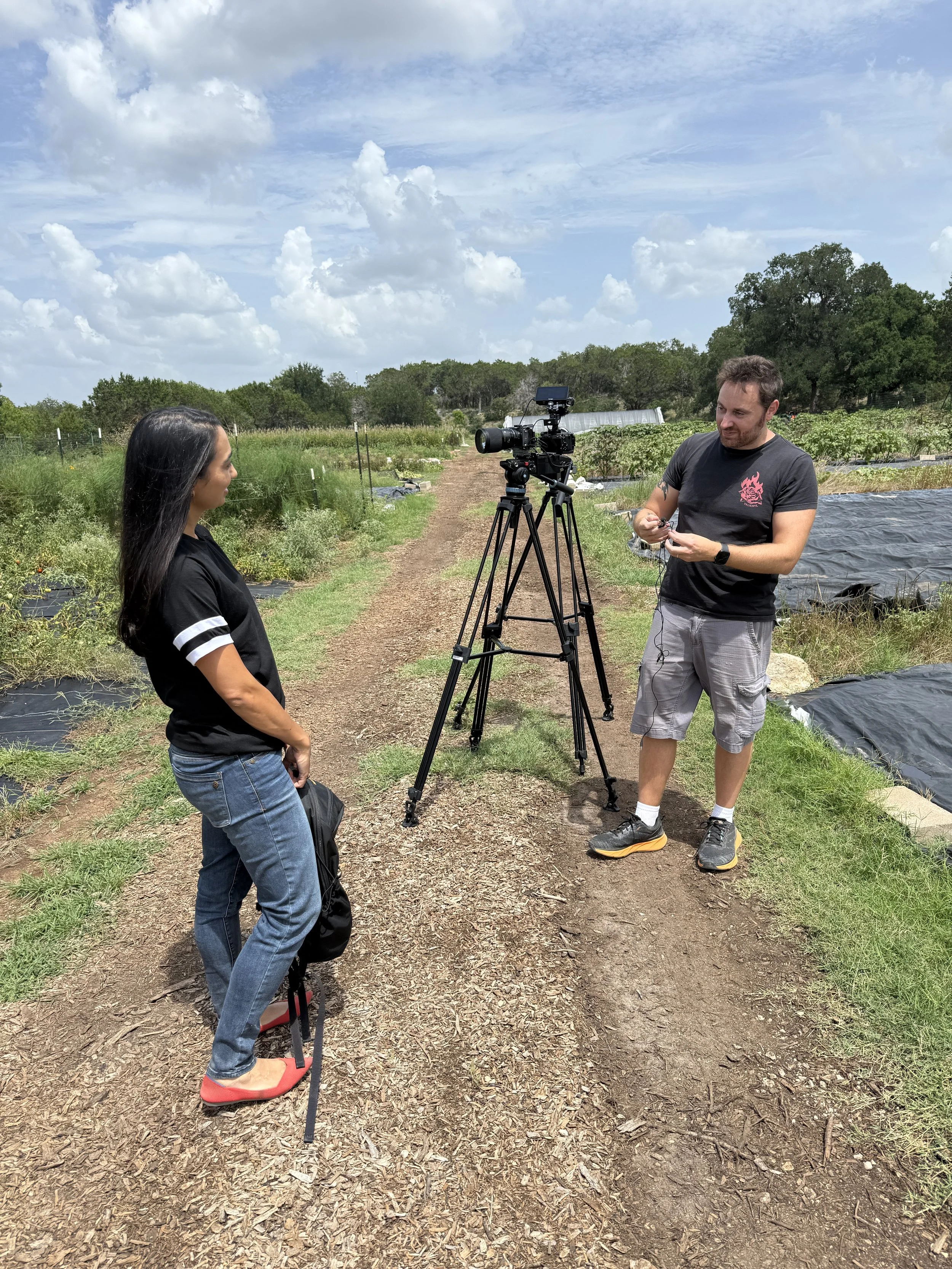
✔ Talk to growers at farmers’ markets about soil-building practices used on their farms.
✔ Join a CSA to receive produce harvested seasonally and locally.
✔ Look beyond labels: ask about cover crops, rotations, tillage practices, and soil organic matter.
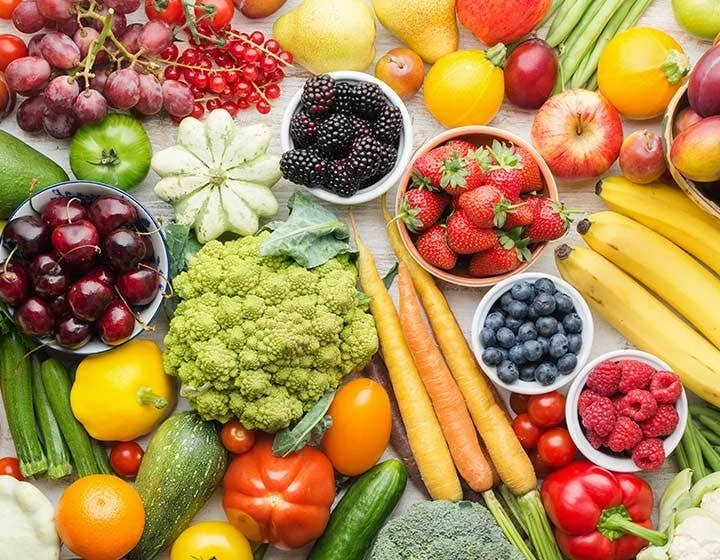
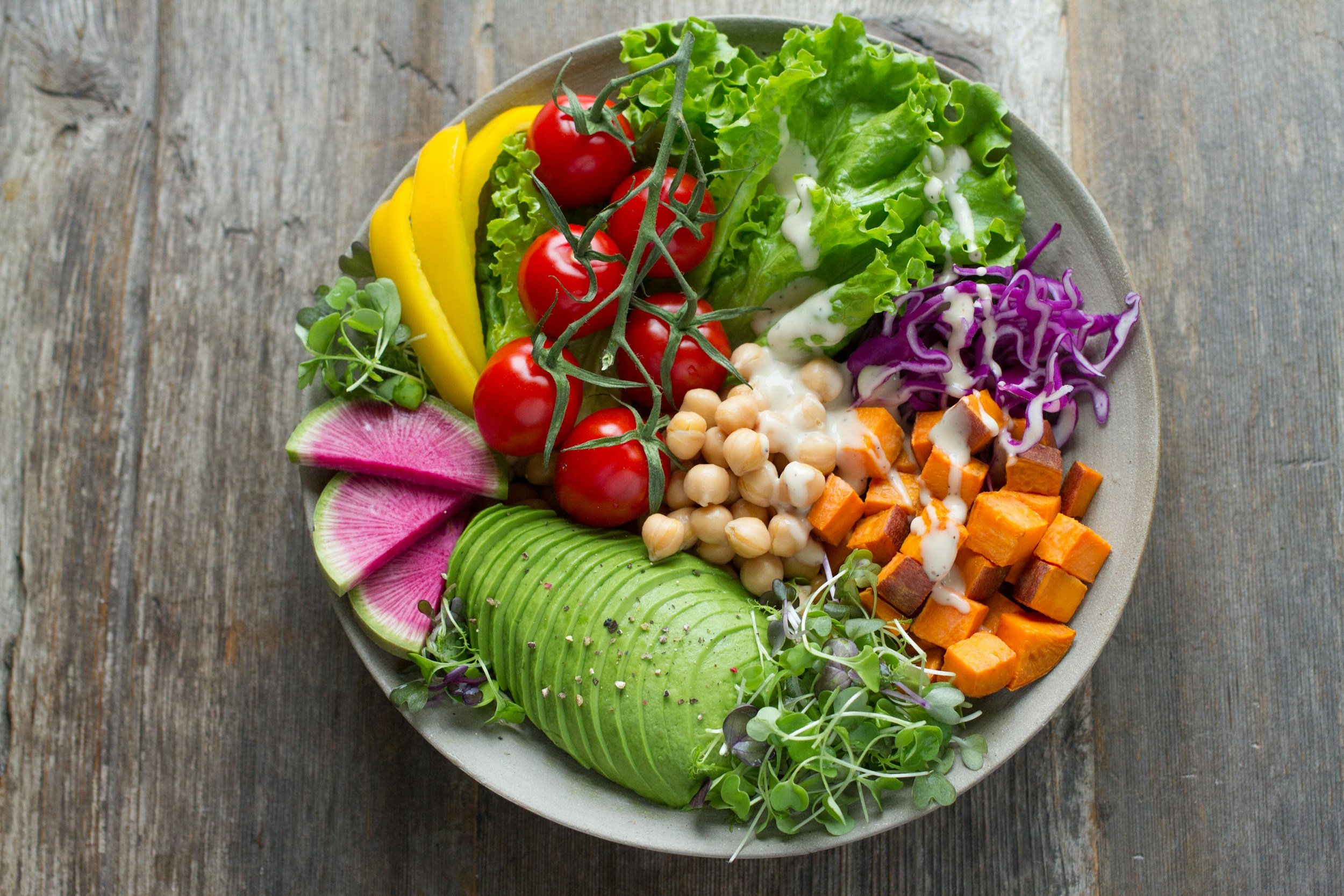
✔ Diversify your plate: varied colors and varieties often reflect a wider range of micronutrients and phytochemicals.
Summary: Soil Health Supports Nutrient Health
Soil organic matter, microbial activity, and farming practices directly influence soil ecosystem functions that are tied to plant nutrient acquisition and biochemical expression. Regenerative practices consistently improve measurable soil health metrics and are associated with higher nutrient and phytochemical content in crops. Organic systems may support these goals by minimizing certain synthetic inputs, but nutrient outcomes depend on broader soil biology and management approaches- this is farm dependent. Understanding these relationships empowers you to make food choices - aligned with both health and planetary stewardship.