Beans & Legumes
Buy dried from high-turnover sources. Soak before cooking, or choose BPA-free canned with no additives.
Beans and legumes are nutritional powerhouses, packed with fiber, plant-based protein, iron, and complex carbohydrates. But their quality and digestibility depend on how they’re sourced, stored, and prepared. Dried beans are generally more affordable and flavorful than canned, especially when they're fresh (yes, even dried beans can go stale!). Old beans can take longer to cook, have a mealy texture, and may be harder to digest.
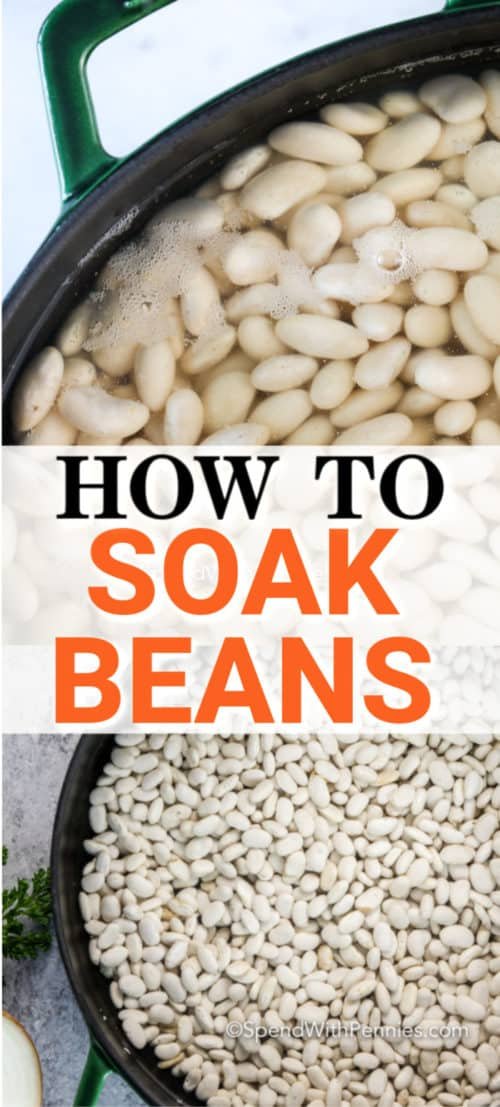
💡 Buy dried beans from reputable sources with high turnover, ideally in bulk or from specialty shops. Soak for 8–12 hours, discard the soaking water, and cook in fresh water — adding a bay leaf, kombu (edible seaweed), or a pinch of baking soda can improve digestibility. If you're short on time, canned beans are convenient, but choose options with no added salt, preservatives, or BPA in the lining. Rinse thoroughly before using to reduce sodium and remove some of the oligosaccharides that can cause bloating. Store dried beans in airtight containers in a cool, dark place to extend shelf life.
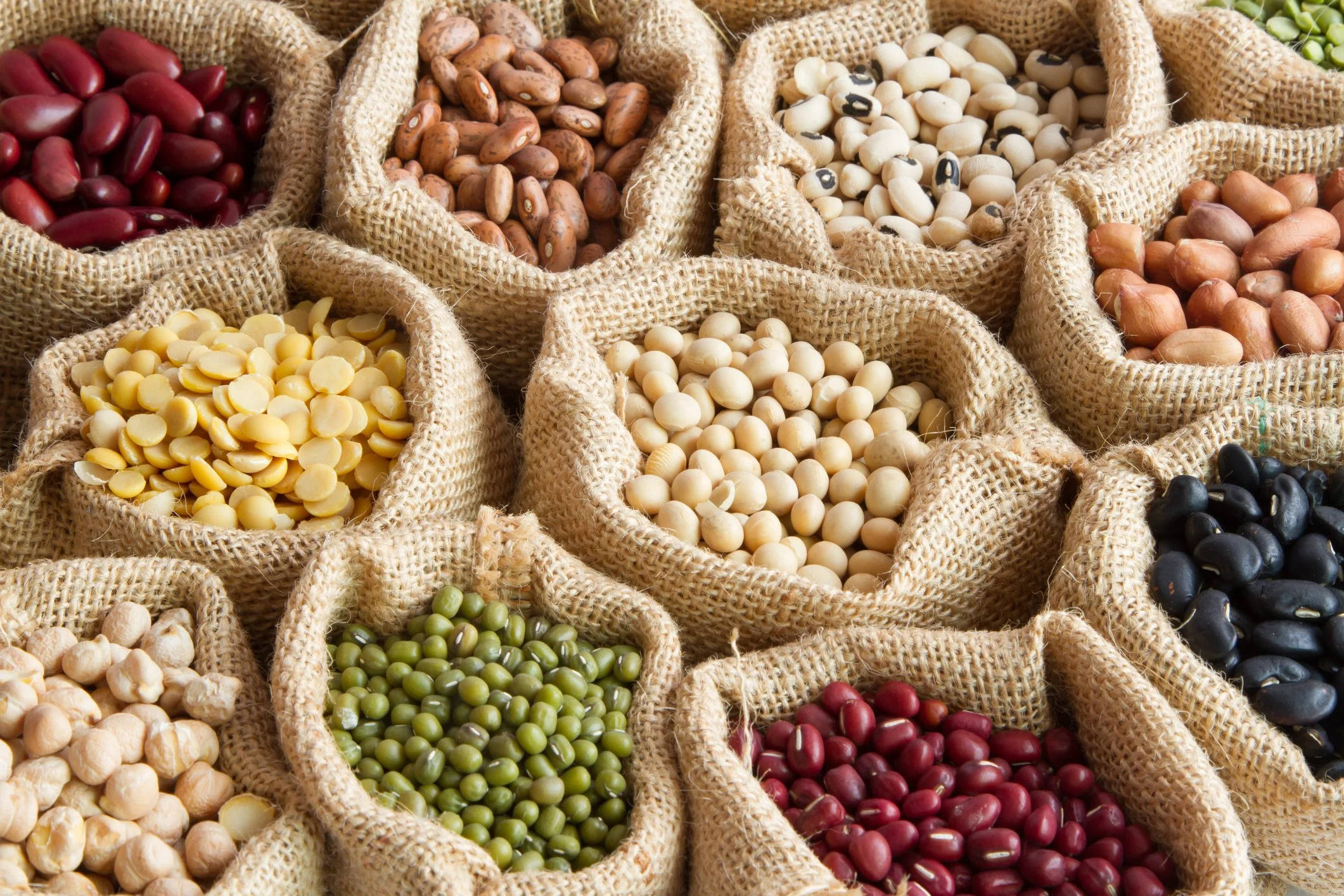
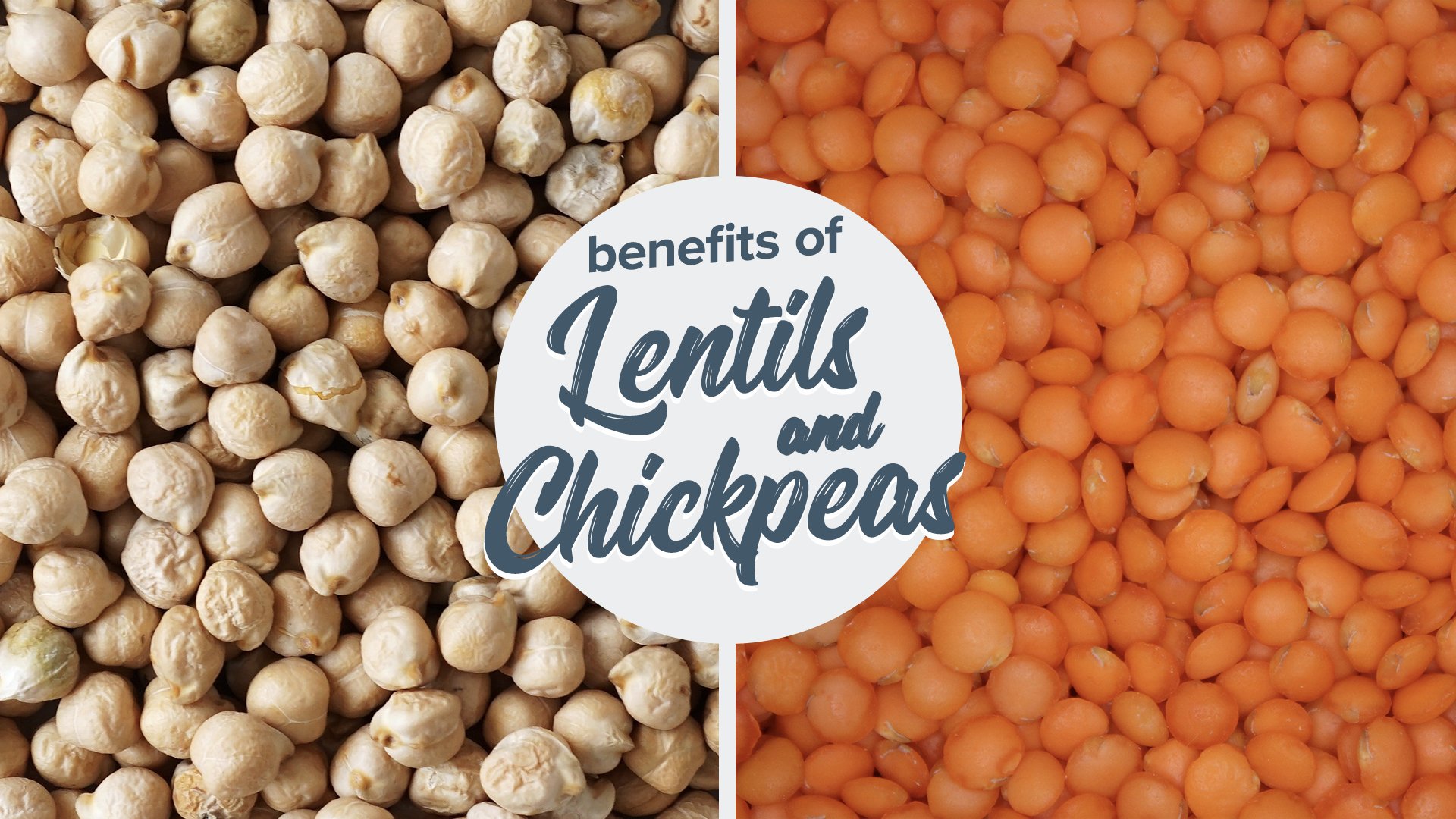
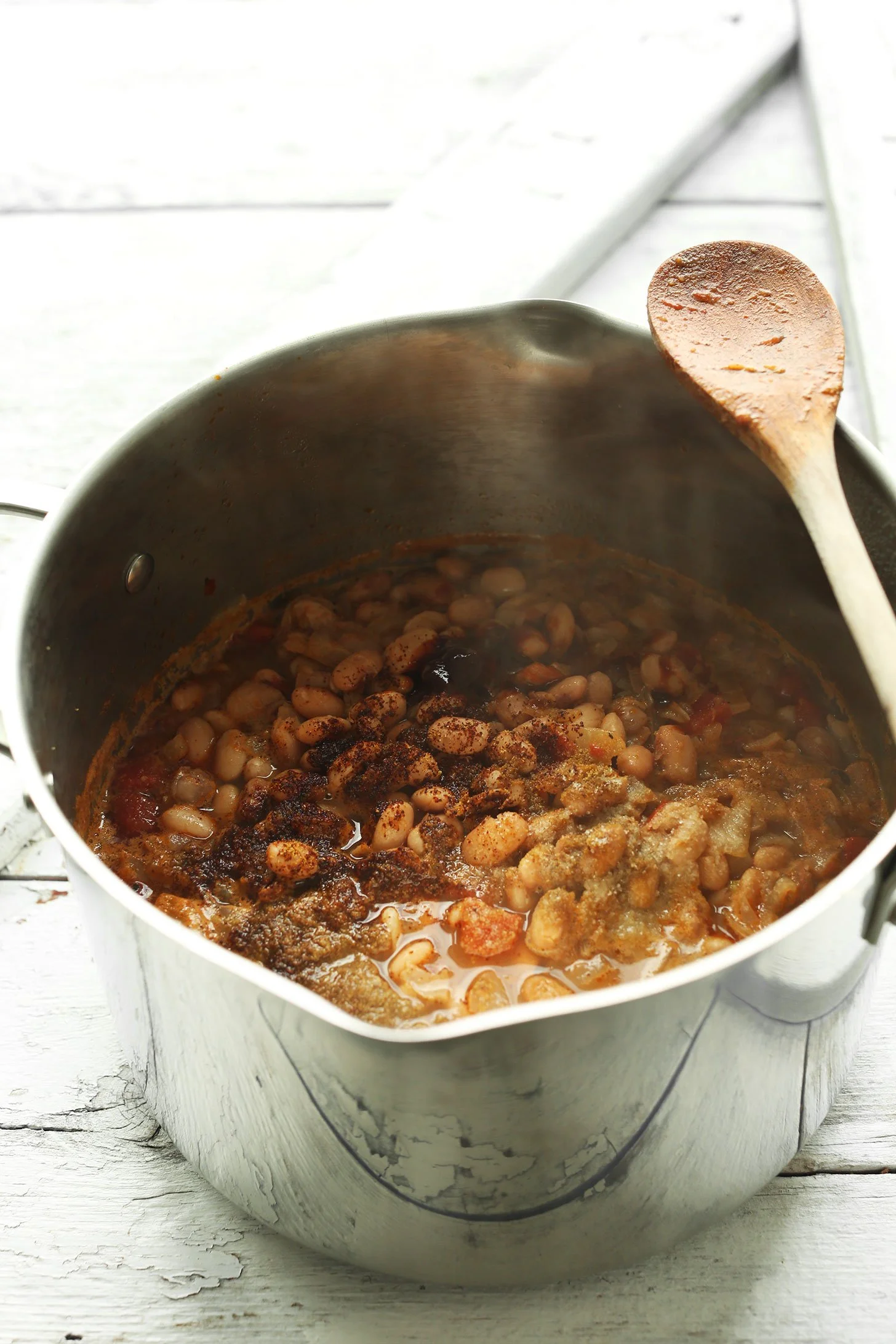
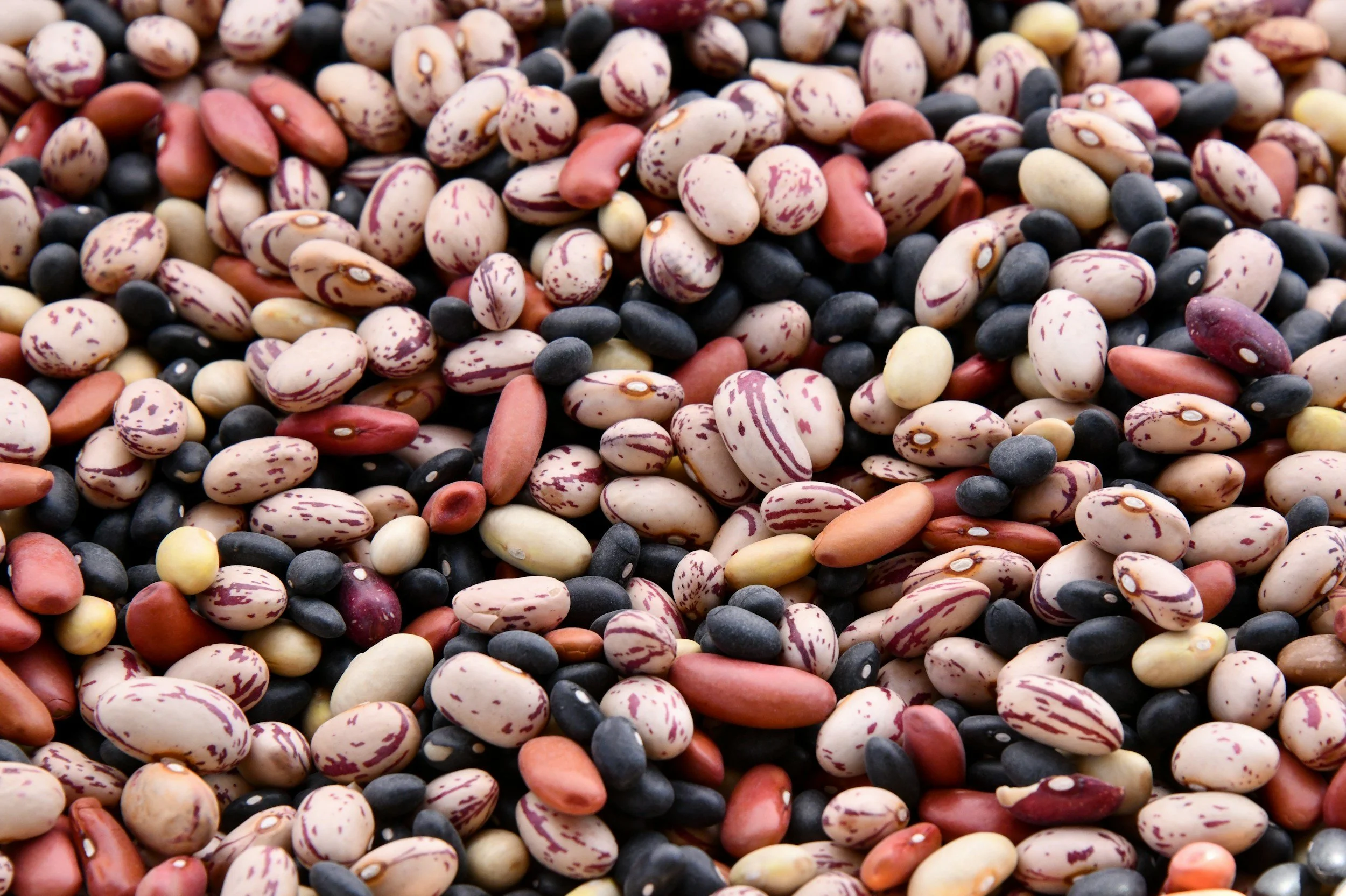
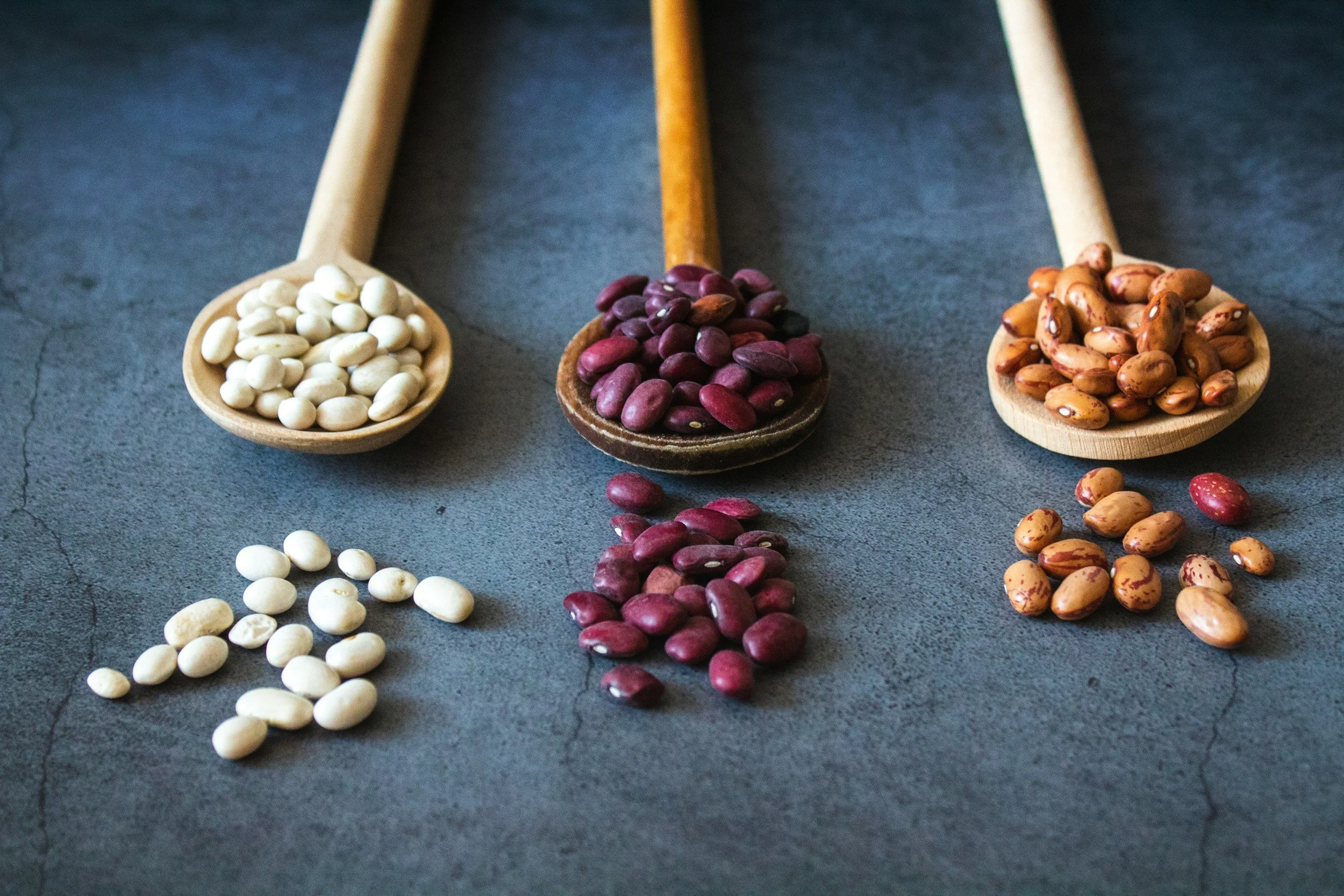
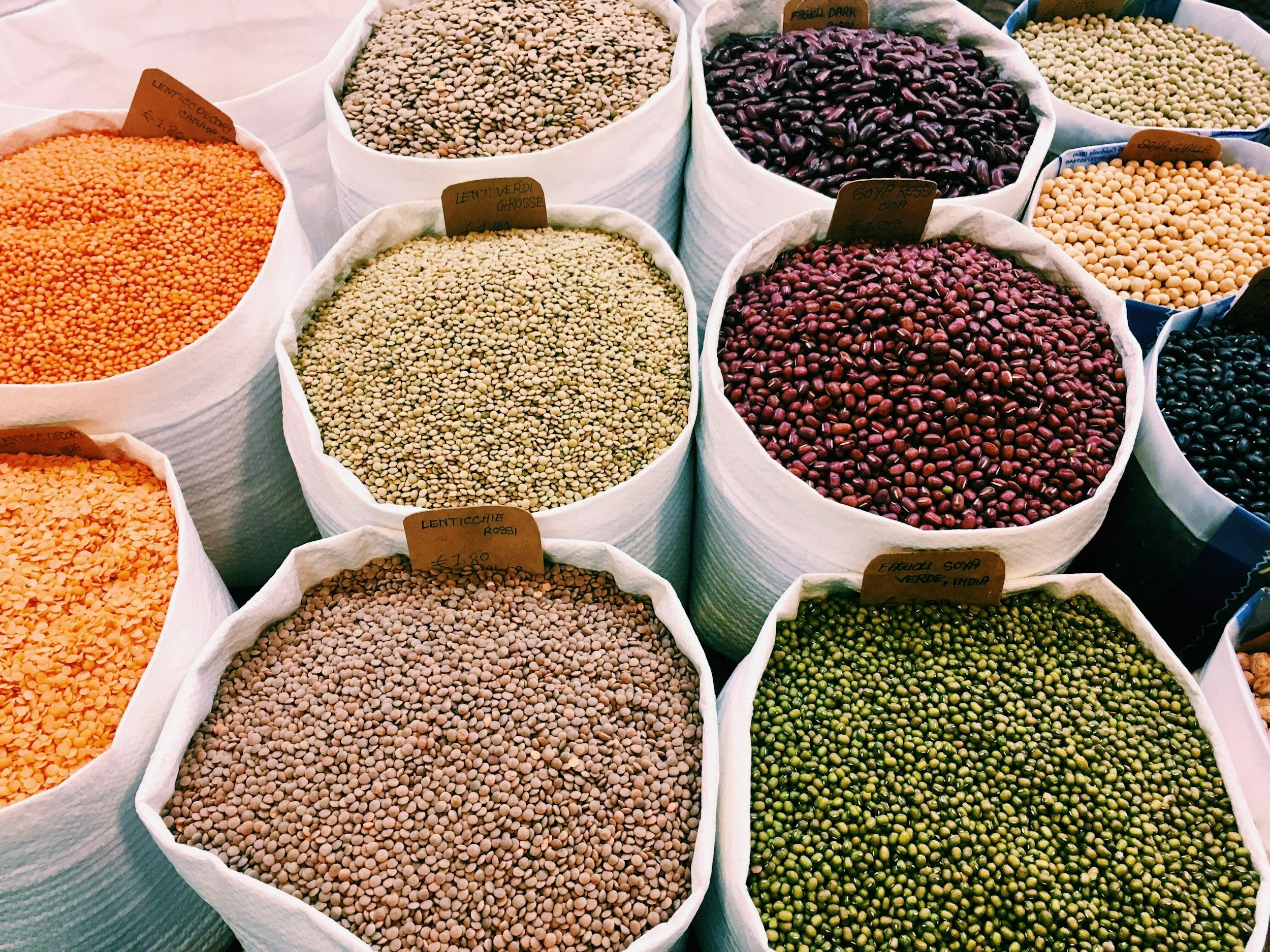

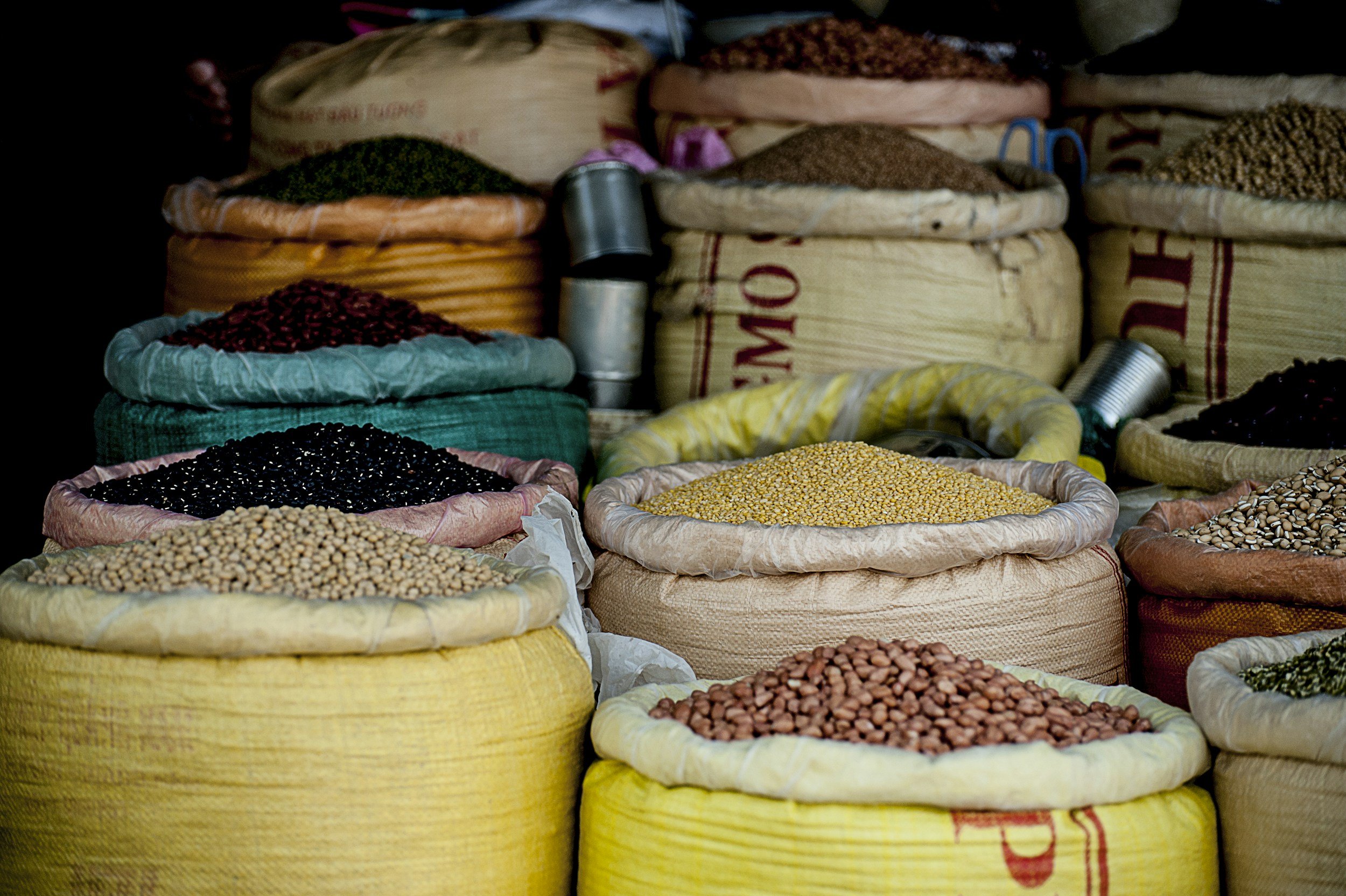
From Seed to Simmer: Beans & Legumes and Why Quality Matters
Beans and legumes are nutritional powerhouses—rich in fiber, plant protein, minerals, and complex carbohydrates. But their quality, digestibility, and nutrient availability vary widely depending on how they’re grown, stored, and prepared. The difference begins with the seed and ends with the cooking method.
This deeper dive explores:
How soil health and storage affect legume quality
The role of antinutrients and how preparation changes them
What research shows about soaking, cooking, and digestibility
Practical ways to choose and prepare higher-quality beans
Let’s start at the foundation: the bean itself.
Soil, Growing Conditions & Bean Quality
Legumes are unique crops. Through symbiosis with soil bacteria (Rhizobium species), they fix nitrogen—supporting both soil health and their own protein content.
High-quality legumes are influenced by:
Mineral-rich soils (iron, magnesium, zinc)
Healthy microbial activity
Proper drying and storage after harvest
Beans grown in depleted soils may still yield protein, but mineral density and flavor can suffer. Long storage times also degrade quality—yes, even dried beans can go stale.
Antinutrients: Context Matters
Beans naturally contain compounds such as:
Phytates (bind minerals like iron and zinc)
Lectins (can irritate the gut if undercooked)
Oligosaccharides (can cause gas and bloating)
These compounds are not inherently harmful—but preparation matters.
Research shows that traditional preparation methods significantly reduce antinutrients while improving mineral bioavailability and digestibility.
https://doi.org/10.1016/j.foodchem.2013.02.064
Soaking, Sprouting & Cooking: Transforming the Bean
Soaking
Soaking beans for 8–12 hours:
Reduces phytates and oligosaccharides
Shortens cooking time
Improves texture and digestibility
Discarding the soaking water further reduces compounds associated with bloating.
https://doi.org/10.1016/j.lwt.2016.02.040
Cooking
Proper cooking:
Inactivates lectins
Improves protein digestibility
Enhances mineral availability
Undercooked beans—especially kidney beans—can be problematic due to active lectins.
https://doi.org/10.1016/j.foodchem.2014.06.047
Dried vs. Canned Beans
Dried Beans
Better texture and flavor when fresh
Lower cost
Allow control over soaking and cooking
However, old dried beans may:
Take much longer to cook
Remain tough
Be harder to digest
Canned Beans
Convenient and time-saving
Nutritionally adequate when chosen carefully
Choose canned beans that are:
BPA-free
Free of added sugars or preservatives
Rinsed thoroughly to reduce sodium and oligosaccharides
Digestibility & Gut Health
Beans are among the richest sources of fermentable fiber, feeding beneficial gut bacteria.
Studies show that regular bean consumption:
Improves gut microbial diversity
Supports blood sugar regulation
Enhances satiety and metabolic health
Proper preparation is key to reaping these benefits without discomfort.
https://doi.org/10.3390/nu11071511
Putting This Science Into Practice
When choosing and preparing beans and legumes:
✔ Buy dried beans from high-turnover or specialty sources
✔ Avoid very old beans (dull color, cracked skins)
✔ Soak 8–12 hours; discard soaking water
✔ Cook thoroughly—pressure cooking is especially effective
✔ Choose clean, BPA-free canned beans if needed
✔ Store dried beans in airtight containers, away from heat and light
Summary: Preparation Unlocks the Power of Legumes
Beans and legumes are only as nourishing as the systems that grow them—and the methods used to prepare them. Healthy soils support better mineral content, while traditional soaking and cooking dramatically improve digestibility and nutrient absorption. When sourced thoughtfully and prepared properly, legumes become one of the most affordable, sustainable, and health-supportive foods available—bridging soil health, gut health, and long-term nourishment.