Plant-Based Oils & Fats
OLIVE | AVOCADO | COCONUT | SEED
Olive Oil
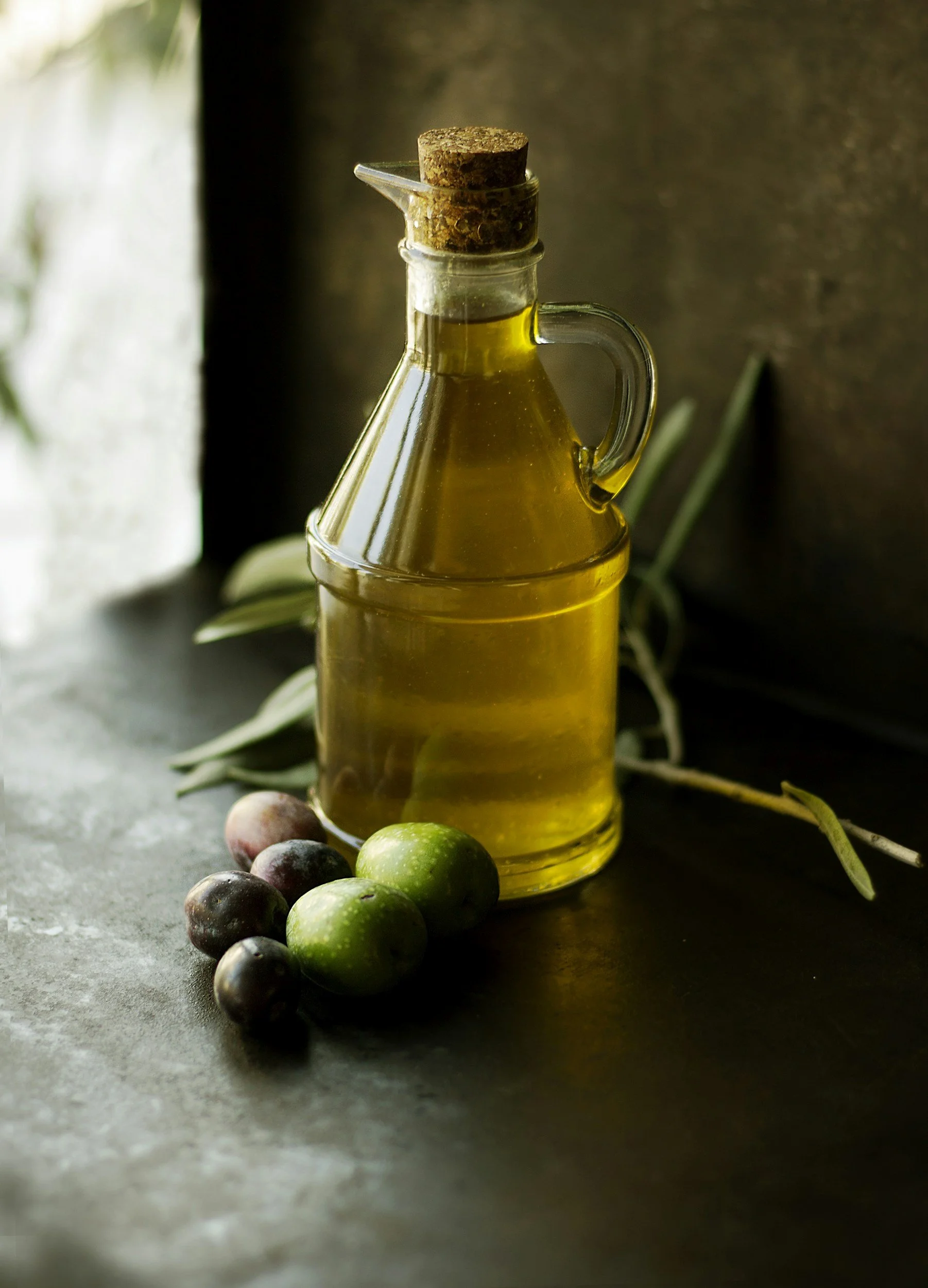
Buy cold-pressed, early harvest, single-origin extra virgin olive oil harvested within 18 months. Store away from heat, light, and air.
Olive oil is one of the most adulterated pantry staples. True extra virgin olive oil is made from freshly harvested olives, cold-pressed within hours of picking, and never exposed to high heat or chemical refining. Greener olives harvested earlier in the season often contain higher polyphenol levels (beneficial properties) than black olives harvested later in the season. The flavor and nutritional value depend heavily on the region, harvest date, and extraction method. Unfortunately, many oils labeled “extra virgin” are blends with other oils or have been oxidized by poor storage.
💡 Look for single-origin oils with a harvest date on the label. Store in dark, airtight glass containers away from light and heat — and use within 3–6 months for peak quality. Unopened bottles should be used within 18-24 months after harvest.



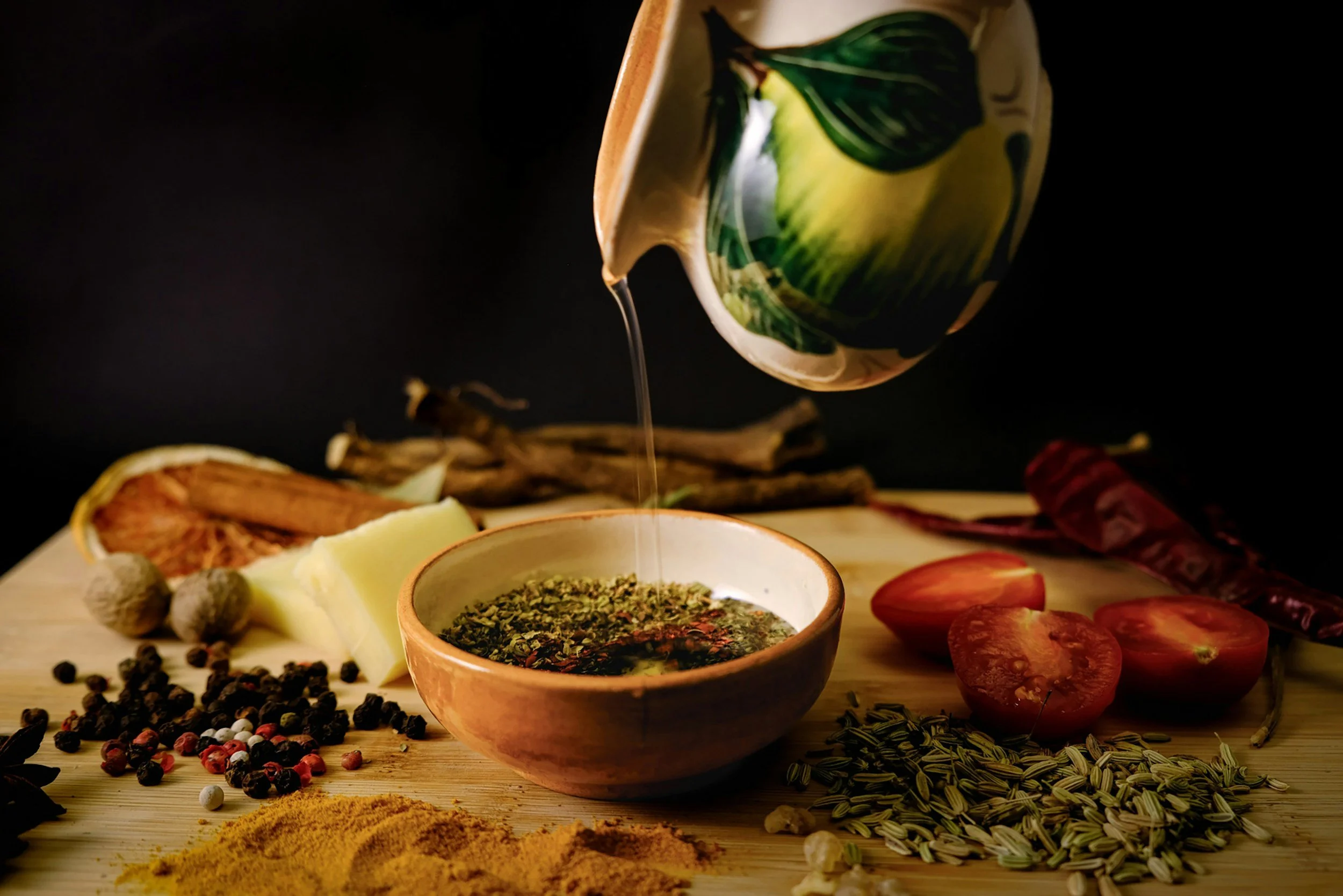
From Fruit to Fat: Plant-Based Oils & Fats — and Why Quality Matters
Plant-based oils range from deeply nourishing traditional fats to highly refined industrial products. The difference lies in what the oil comes from, how it’s extracted, and how stable it is when exposed to heat, light, and air.
This deeper dive explores:
How processing alters oil chemistry and health effects
Why the extraction method matters more than marketing
What research shows about oxidation, inflammation, and stability
How to choose higher-quality plant-based fats for daily use
Let’s start with the foundation: how oils are made.
Extraction Matters: Traditional vs. Industrial Oils
All oils are fats—but they are not biologically equal.
Minimally Processed Oils
Traditional oils are extracted mechanically, without high heat or chemical solvents.
They retain:
Natural antioxidants
Polyphenols and phytochemicals
Stable fatty acid structures
Industrial Seed Oils
Most modern seed oils (soybean, corn, canola, sunflower, safflower, grapeseed) are:
Extracted using high heat and chemical solvents (e.g., hexane)
Deodorized to mask rancidity
Highly refined and stripped of protective compounds
This processing makes oils shelf-stable—but biologically fragile.
Multiple analyses show that refining significantly reduces antioxidant content and increases susceptibility to oxidation.
https://doi.org/10.1016/j.foodchem.2011.03.074
Olive Oil: A Traditional, Bioactive Fat
Extra virgin olive oil (EVOO) is a fruit juice—not a refined oil.
High-quality EVOO:
Is cold-pressed from fresh olives
Retains polyphenols and antioxidants
Is naturally anti-inflammatory
Large population studies consistently associate olive oil consumption with reduced cardiovascular and all-cause mortality.
https://doi.org/10.1056/NEJMoa1800389
Polyphenols in EVOO protect the oil itself from oxidation and exert beneficial effects in the body.
https://doi.org/10.1016/j.jff.2015.01.001
⚠️ Olive oil is also one of the most adulterated foods globally—single-origin oils with harvest dates matter.
Avocado Oil: Stable When Done Right
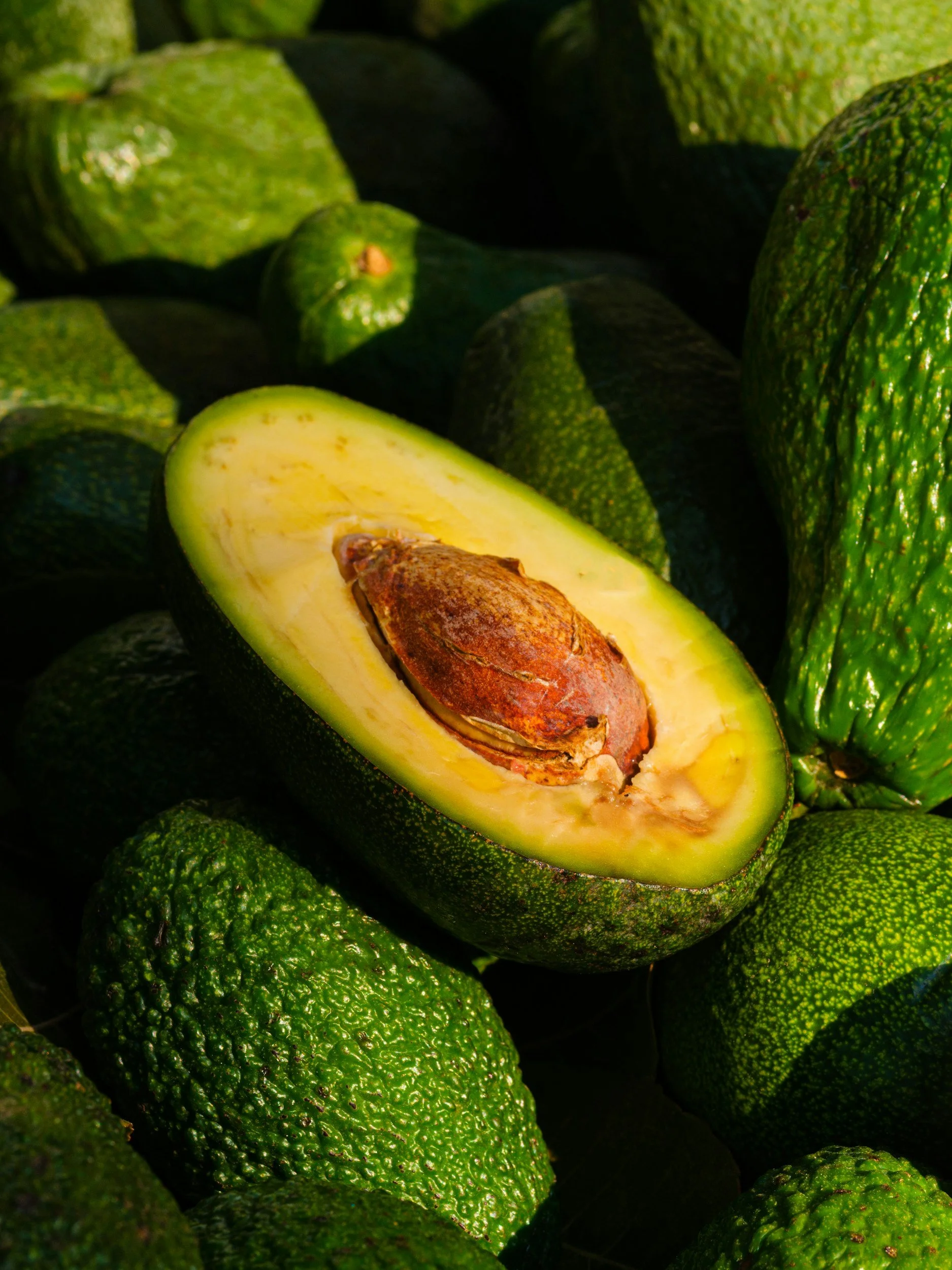
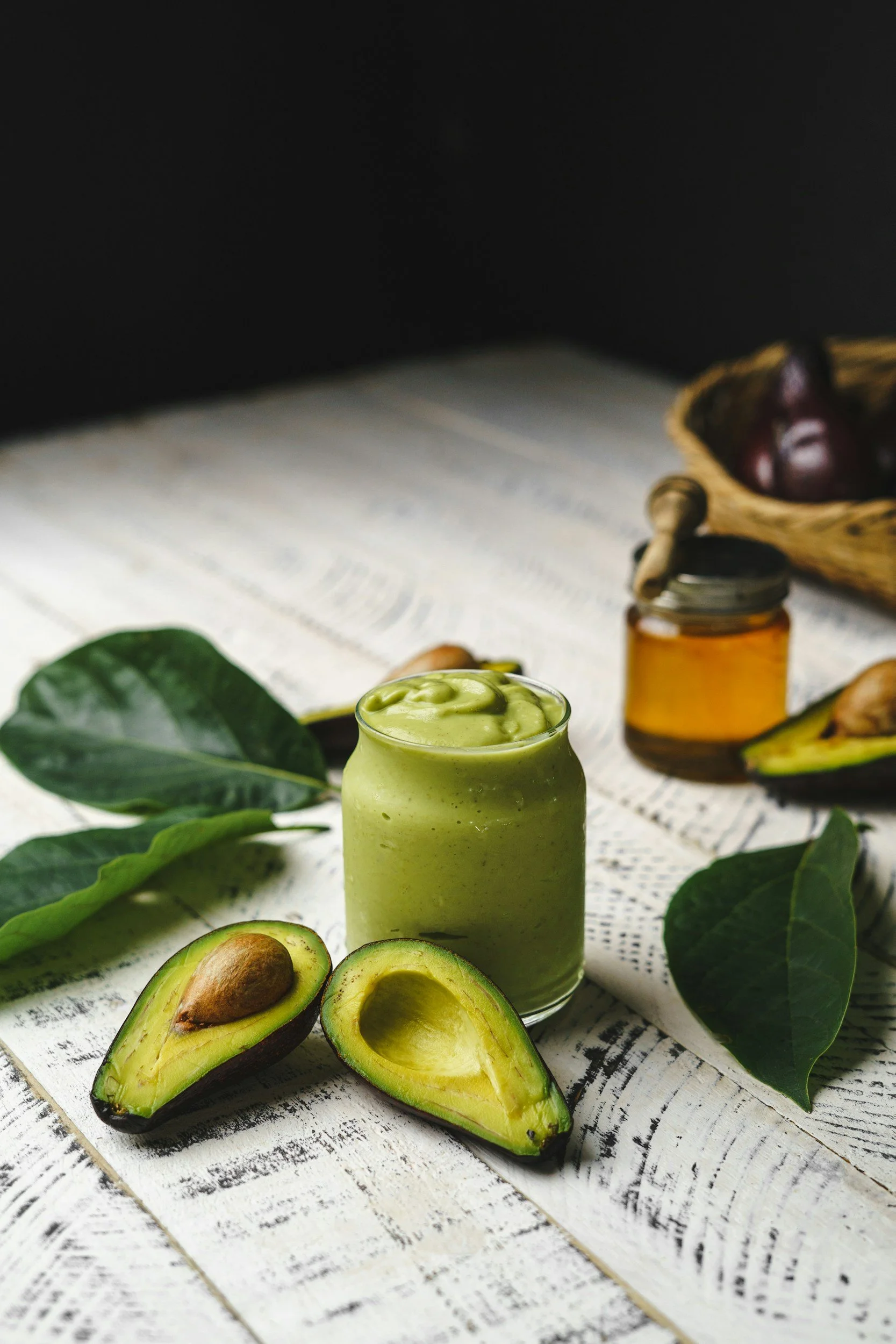
Avocado oil is similar to olive oil in fatty acid composition but differs widely in quality.
High-quality avocado oil:
Is cold-pressed from ripe avocados
Retains carotenoids and vitamin E
Is relatively heat-stable
However, studies testing commercial avocado oils found that many were:
Oxidized
Rancid
Mixed with lower-quality oils
https://doi.org/10.1016/j.foodres.2020.109850
Look for cold-pressed, single-origin avocado oil—ideally refrigerated after opening.
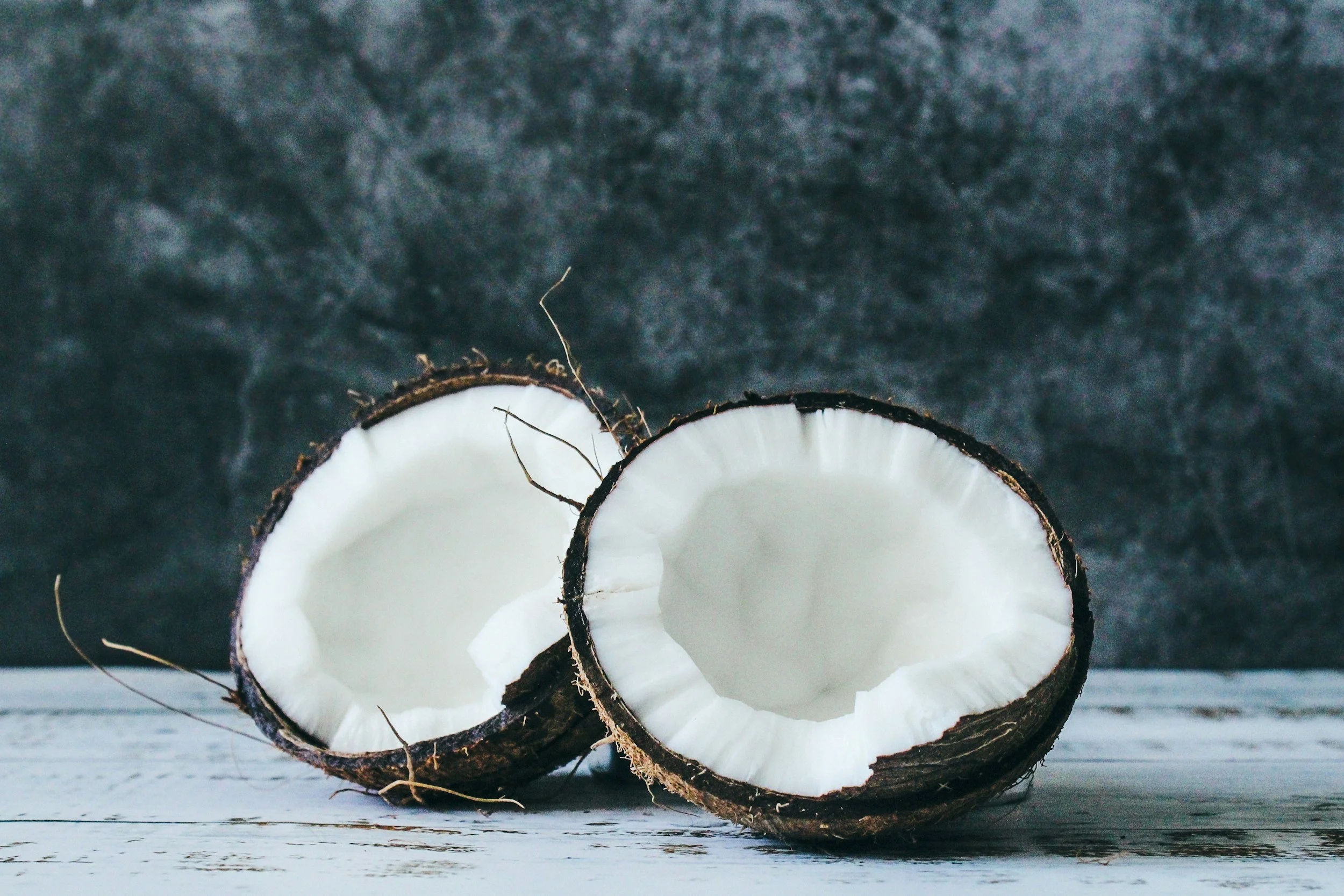
Coconut Oil: Saturated & Heat-Stable
Coconut oil is structurally different from most plant oils.
It is:
Predominantly saturated fat
Highly resistant to oxidation
Stable at high cooking temperatures
Virgin coconut oil retains polyphenols and antioxidant activity absent in refined versions.
https://doi.org/10.1016/j.foodchem.2016.02.121
While coconut oil raises LDL cholesterol in some individuals, it also raises HDL—and its oxidative stability makes it preferable to unstable polyunsaturated oils for high-heat cooking.
Seed Oils: Highly Processed & Oxidation-Prone
Industrial seed oils are high in omega-6 polyunsaturated fats, which are chemically unstable.
Concerns include:
High susceptibility to oxidation
Formation of lipid peroxides during heating
Disruption of omega-6:omega-3 balance
Animal and mechanistic studies link oxidized seed oils to inflammation, mitochondrial dysfunction, and oxidative stress.
https://doi.org/10.1016/j.freeradbiomed.2017.03.004
While omega-6 fats are essential in small amounts, excess intake—especially from refined oils—appears problematic.
Heat Stability: A Key Factor
Oil stability depends on fatty acid structure and antioxidant content.
Most stable for cooking:
Coconut oil
Olive oil (low-to-medium heat)
Avocado oil (if truly cold-pressed)
Least stable:
Soybean, corn, canola, sunflower, safflower oils
Repeated heating dramatically increases toxic oxidation byproducts in seed oils.
https://doi.org/10.1016/j.foodchem.2018.01.077
Putting This Science Into Practice
When choosing plant-based oils:
✔ Use extra virgin olive oil for low-to-medium heat and finishing
✔ Choose cold-pressed avocado oil from trusted sources
✔ Use virgin coconut oil for high-heat cooking
✔ Avoid industrial seed oils, especially for cooking
✔ Store oils away from heat, light, and air
✔ Buy oils in smaller quantities and use promptly
Summary: Fat Quality Is About Processing & Stability
Plant-based oils are only as healthy as their extraction and stability allow. Traditional fats like extra virgin olive oil, cold-pressed avocado oil, and virgin coconut oil retain protective compounds and resist oxidation. In contrast, industrial seed oils are highly refined, easily oxidized, and disconnected from traditional food systems. Choosing minimally processed, stable fats supports metabolic health while reducing unnecessary oxidative and