Mushrooms
Pick whole, fresh mushrooms — not mycelium on grain. Cook well and store dry in the fridge.
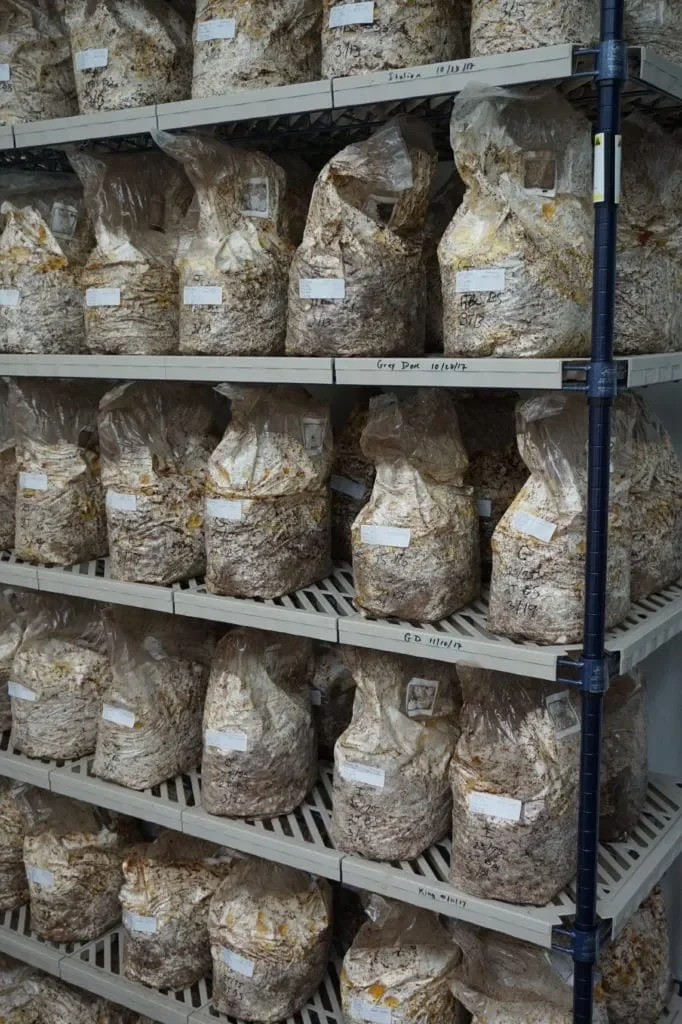
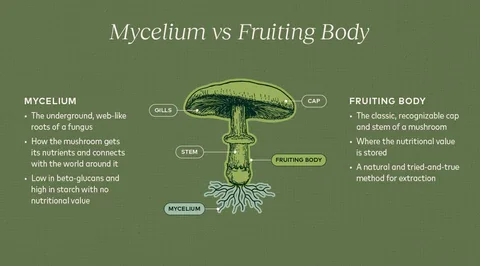
Mushrooms are a unique food group — neither plant nor animal — and offer powerful health benefits, from immune support to antioxidant protection. But quality depends on how they’re grown , harvested, processed, and which part of the mushroom is used. Many supplements use mycelium grown on grain (the mushroom’s root-like system), which can contain more starch than actual mushroom compounds. In contrast, products made from the fruiting body — especially forest-grown or wood-cultivated mushrooms — may offer higher levels of beneficial compounds like beta-glucans.
💡 Choose firm, dry mushrooms with no slimy spots. Store mushrooms in a paper bag in the fridge — never in plastic to avoid moisture buildup. Avoid pre-sliced mushrooms, which spoil faster. Don’t wash until right before cooking, and cook thoroughly to improve digestibility and unlock nutrients like ergothioneine. If using tinctures or powders for medicinal mushrooms (like reishi or lion’s mane), use a reliable source.
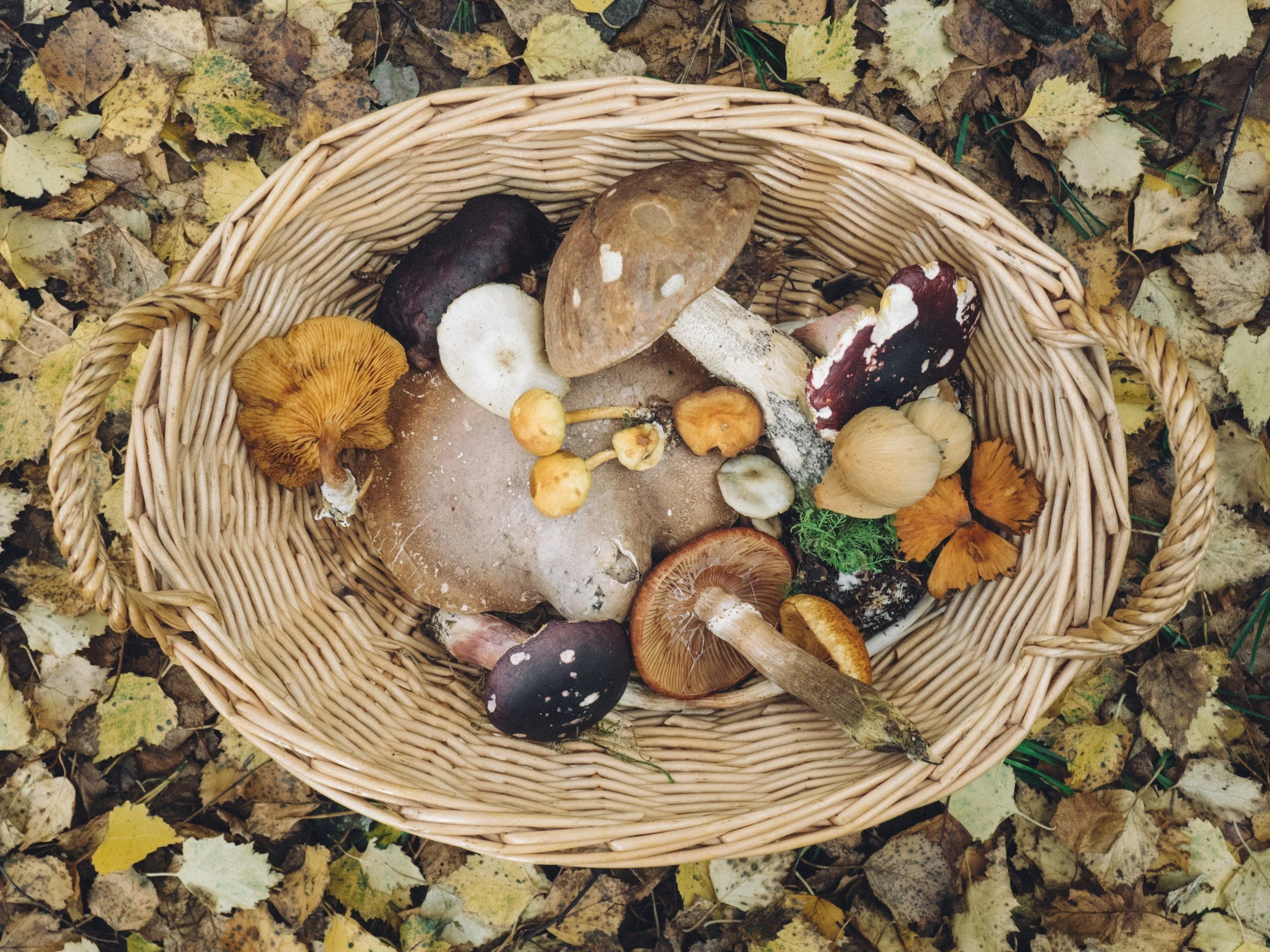
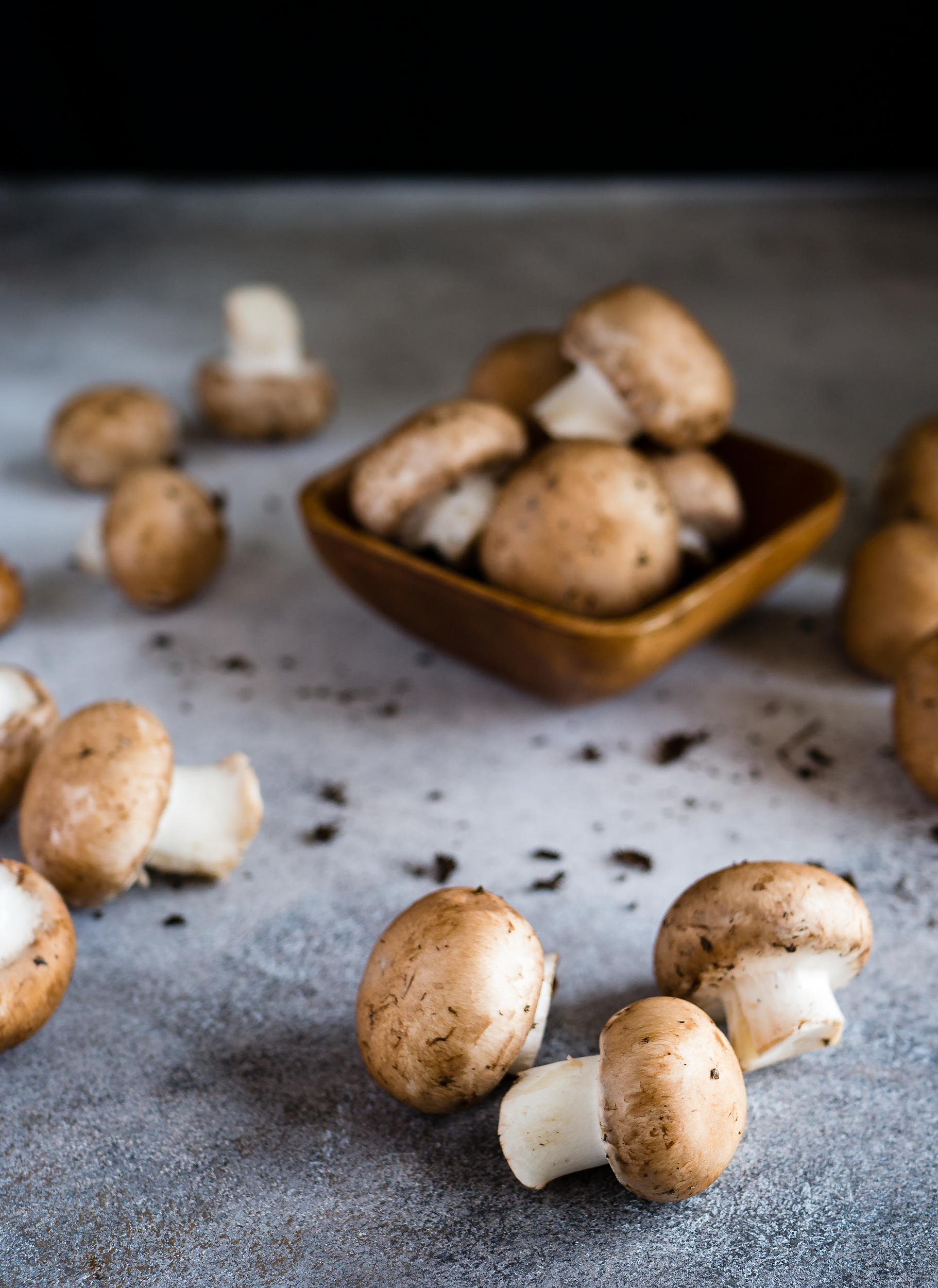
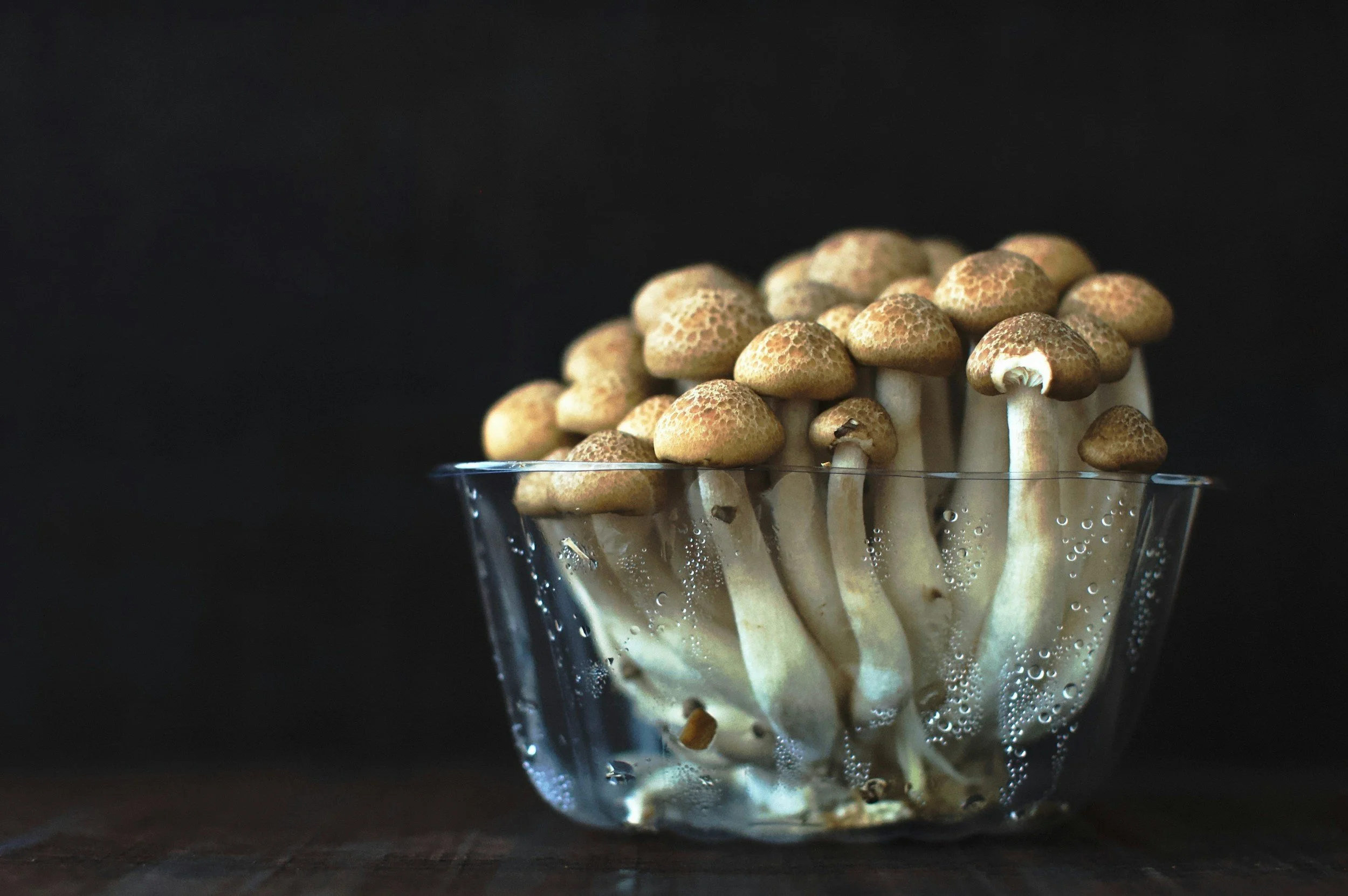
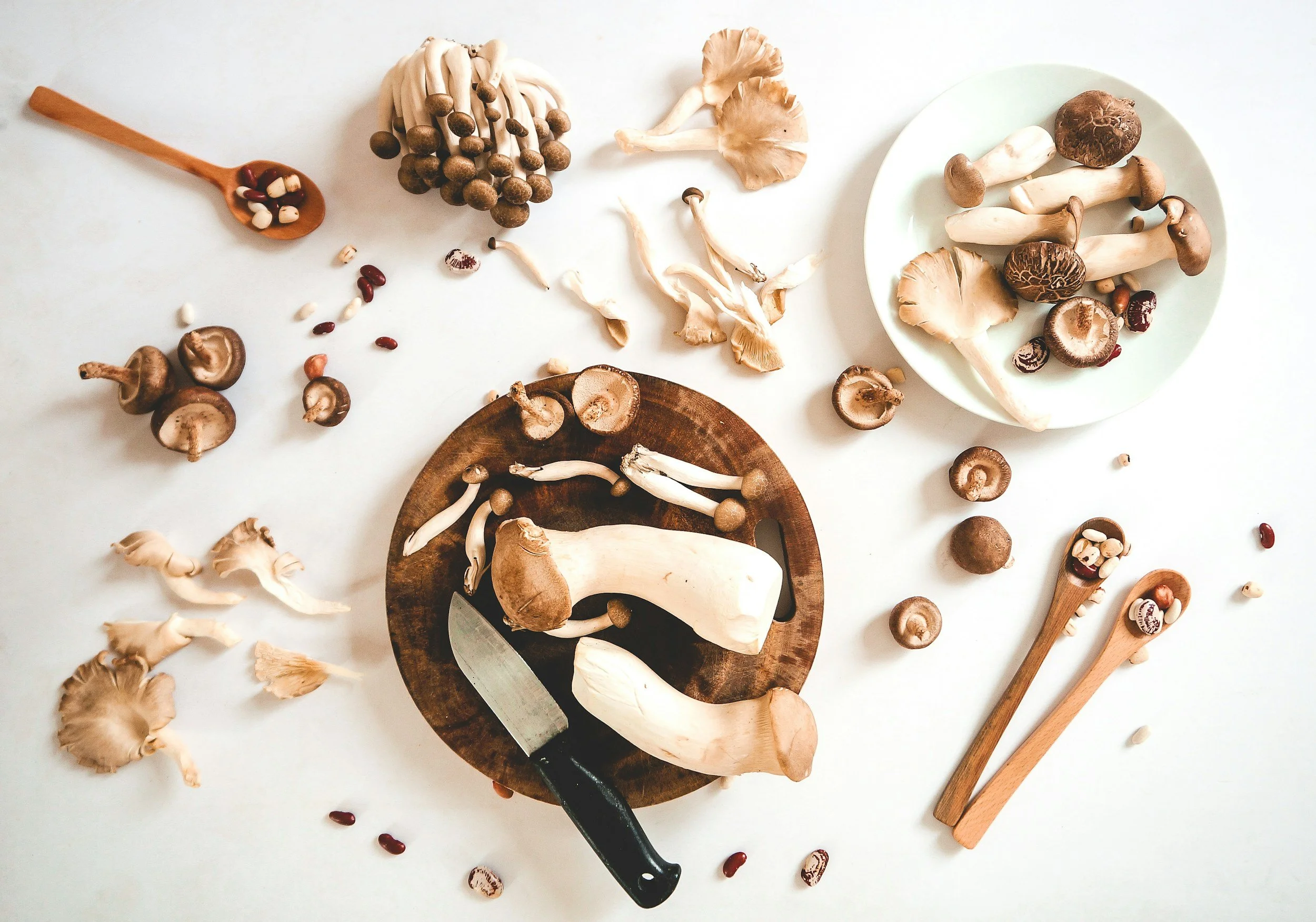
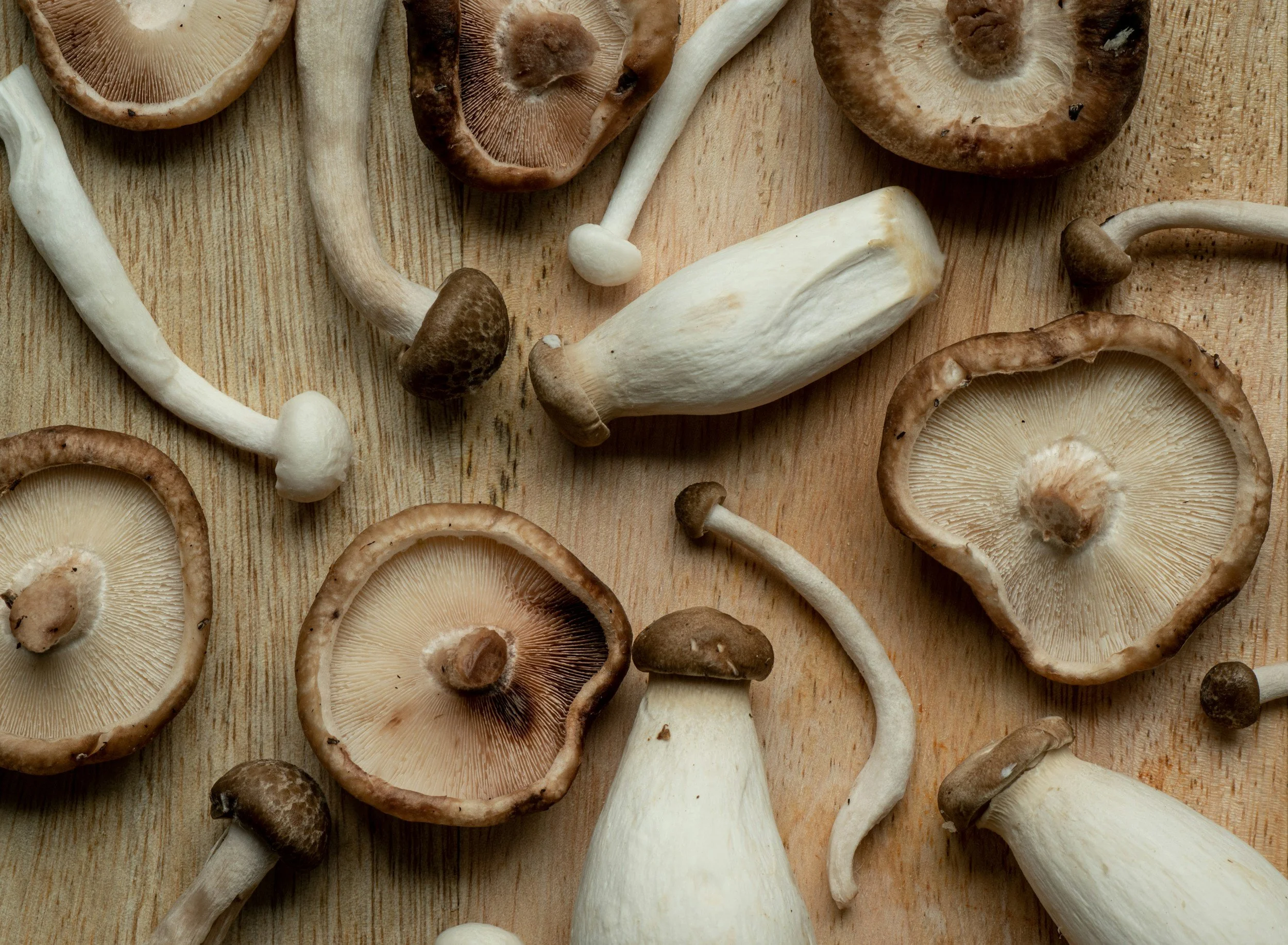
From Forest Floor to Plate: Mushrooms and Why Quality Matters
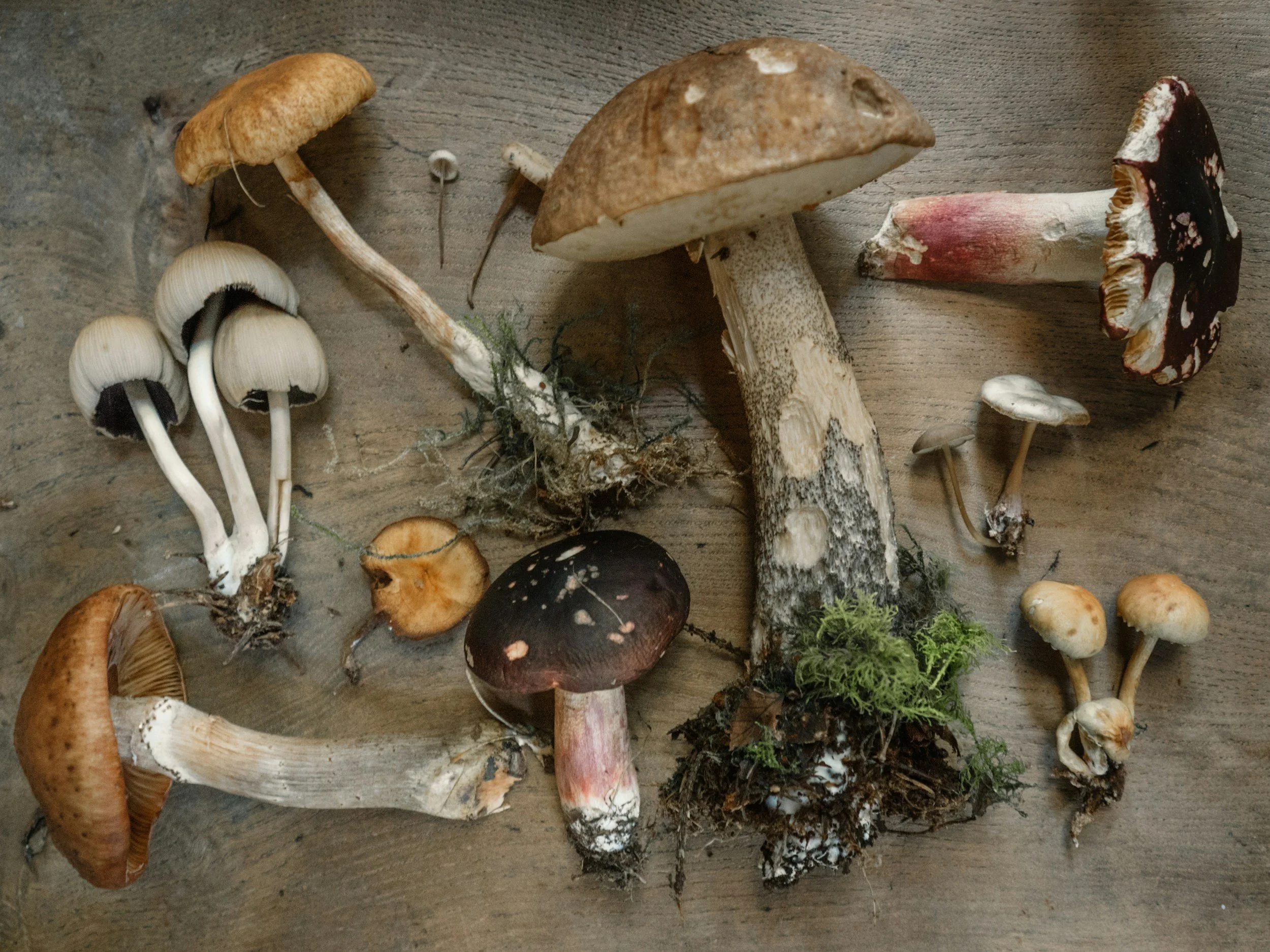
Mushrooms are a unique food—neither plant nor animal—and their nutritional and functional value varies widely depending on how they’re grown, what part of the mushroom is used, and how they’re handled after harvest. The difference begins in the substrate and environment where the fungi grow.
This deeper dive explores:
How growing conditions influence mushroom nutrition
The difference between fruiting bodies and mycelium
What research shows about key mushroom compounds
Practical ways to choose higher-quality mushrooms
Let’s start at the foundation: how mushrooms grow.
Substrate & Growing Conditions: The Foundation of Quality Mushrooms
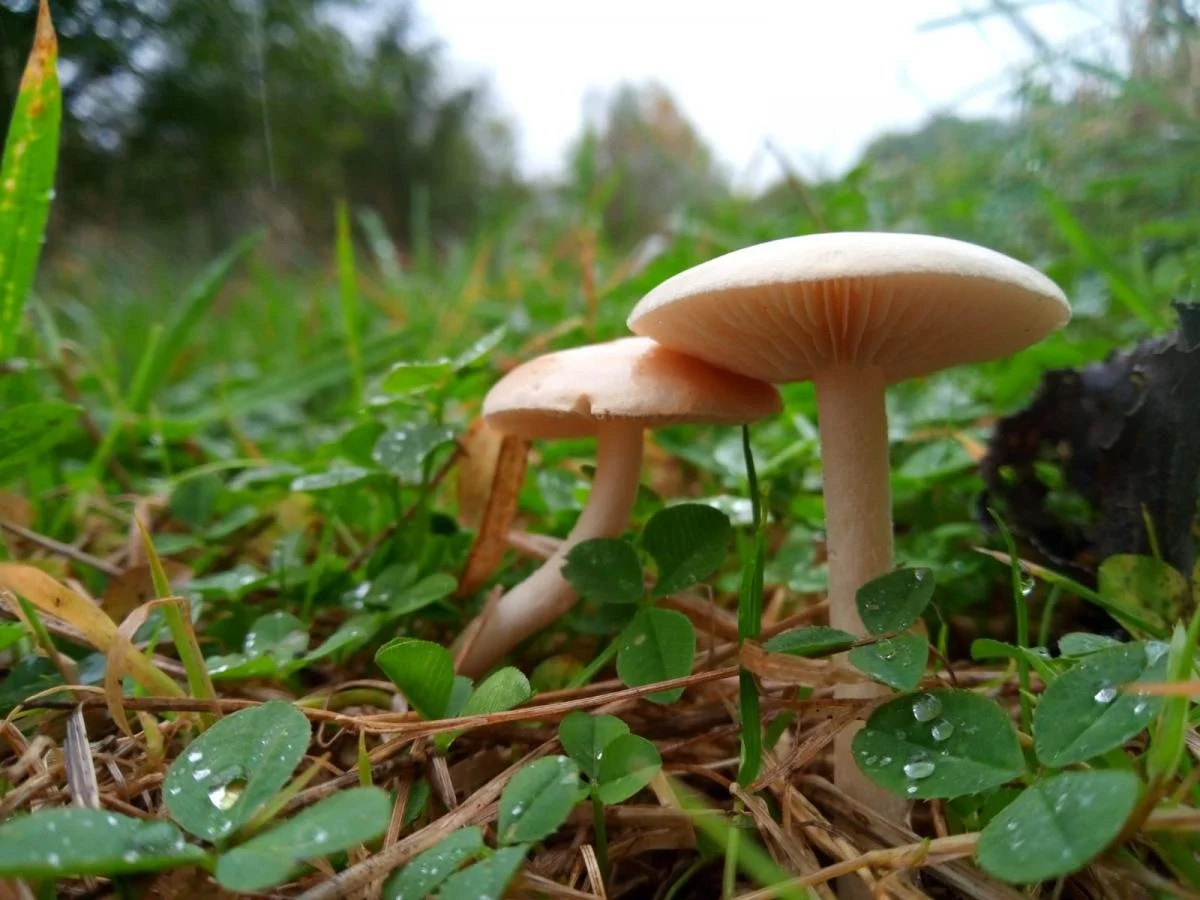
Mushrooms are the fruiting bodies of fungi that grow on organic material such as wood, straw, or compost. Their nutrient profile is directly influenced by:
The type of substrate used
Mineral availability in that substrate
Exposure to light and air
Time allowed for full maturation
Mushrooms grown on nutrient-rich, natural substrates (like hardwood logs or composted agricultural waste) tend to accumulate higher levels of beneficial compounds than those grown rapidly on grain-based substrates.
Fruiting Body vs. Mycelium: A Critical Distinction
Many mushroom products—especially supplements—are made from mycelium grown on grain rather than the mushroom’s fruiting body.
Research shows:
Fruiting bodies contain higher concentrations of beta-glucans and antioxidant compounds
Mycelium-on-grain products often contain significant amounts of residual starch
Labeling does not always clearly distinguish between the two
A chemical analysis of commercial mushroom products found large differences in beta-glucan content depending on whether fruiting bodies or mycelium were used.
https://doi.org/10.1021/jf5016937
Key Nutrients & Bioactive Compounds
High-quality mushrooms are rich in unique compounds that support immune and metabolic health:
Beta-glucans – immune-modulating polysaccharides
Ergothioneine – a powerful antioxidant linked to cellular protection
Vitamin D₂ – formed when mushrooms are exposed to UV light
Minerals – including selenium, potassium, and copper
Ergothioneine has been identified as a dietary antioxidant with potential roles in reducing oxidative stress and inflammation.
https://doi.org/10.1016/j.freeradbiomed.2017.01.003
Cooking & Bioavailability
Mushrooms should almost always be cooked.
Cooking:
Breaks down tough fungal cell walls
Improves digestibility
Increases bioavailability of nutrients like ergothioneine
Reduces potential irritants present in raw mushrooms
Studies show that cooking mushrooms enhances antioxidant availability and improves nutrient absorption.
https://doi.org/10.1016/j.foodchem.2014.08.041
Freshness & Storage Matter
Mushrooms are highly perishable and sensitive to moisture.
Higher-quality mushrooms are:
Firm and dry to the touch
Free of slime or dark spots
Stored in breathable packaging (paper, not plastic)
Pre-sliced mushrooms spoil more quickly and lose nutrients faster than whole mushrooms.
Putting This Science Into Practice
When choosing mushrooms:
✔ Choose whole, fresh mushrooms over pre-sliced
✔ Look for mushrooms grown on natural substrates (wood or compost)
✔ Prefer fruiting body–based products for supplements
✔ Choose UV-exposed mushrooms for vitamin D
✔ Store mushrooms in a paper bag in the fridge
✔ Cook mushrooms thoroughly before eating
Summary: Mushroom Quality Is Rooted in How They’re Grown
Mushrooms reflect the substrates and environments they grow in. Fruiting bodies grown slowly on nutrient-rich substrates deliver higher levels of beta-glucans, antioxidants, and minerals than rapidly grown mycelium products. Proper storage and cooking further enhance their nutritional value. Choosing high-quality mushrooms—whether for food or as a supplement—connects forest ecology directly to human health.